
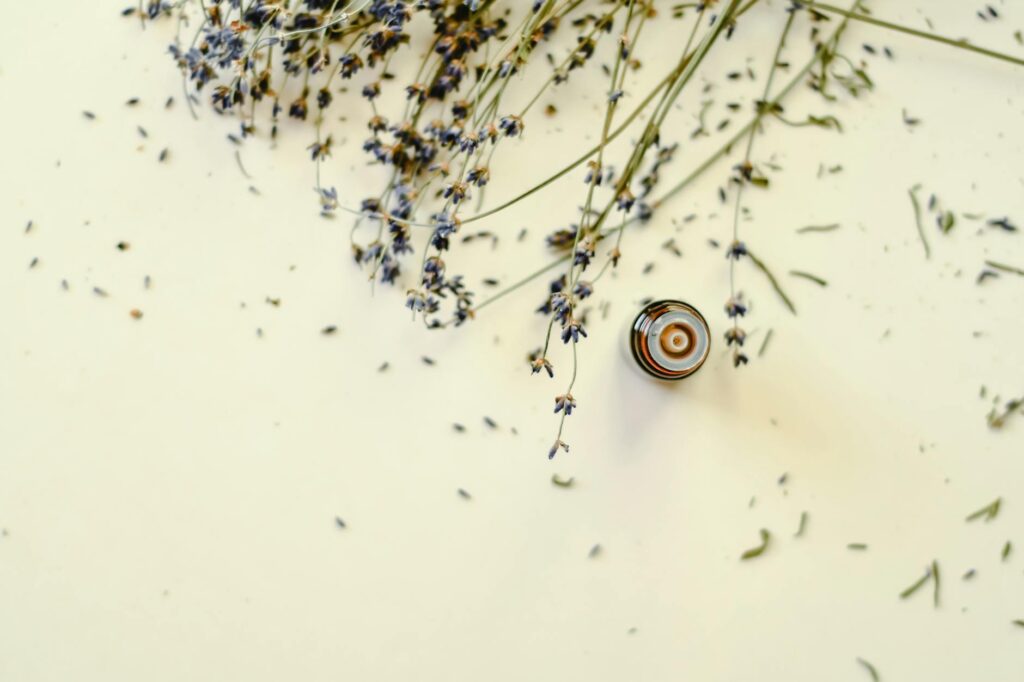
How to Use Aromatherapy Blends for Scent Memory and Recall
Introduction
Aromatherapy has gained popularity as a holistic approach to well-being, utilizing essential oils to enhance physical, emotional, and mental health. One fascinating aspect of this practice is its potential to evoke scent memory and recall. Scent memory refers to the ability of certain smells to trigger vivid recollections and emotional responses. This article delves into the concept of aromatherapy blends designed for scent memory and recall, exploring their properties, applications, and safety considerations.
What Is Aromatherapy Blends for Scent Memory and Recall?
Aromatherapy blends for scent memory are combinations of essential oils specifically formulated to enhance cognitive functions related to memory. The olfactory system is closely linked to the limbic system, the part of the brain involved in emotion and memory. This connection allows particular scents to evoke strong recall of experiences, feelings, and places. By using specific essential oils, individuals can create therapeutic blends that may facilitate memory recall or evoke comforting memories, making them useful in both personal and educational settings.
Key Benefits and Properties
Emotional Support
Essential oils can have profound effects on mood and emotional well-being. For instance, citrus oils like lemon and orange are often uplifting, while florals like lavender can promote relaxation. By creating a blend that resonates with one’s emotional needs, users can enhance their mood and create a conducive environment for memory recall.
Cognitive Enhancement
Certain essential oils, such as rosemary and peppermint, are known for their cognitive-enhancing properties. Studies suggest that these oils may improve concentration and mental clarity, making them valuable additions to blends aimed at stimulating memory.
Stress Reduction
Stress can hinder memory recall and cognitive function. Aromatherapy blends that include calming oils like chamomile or frankincense can help reduce anxiety and create a serene environment, thereby supporting better memory retention and recall.
Personalized Experience
Aromatherapy blends can be tailored to individual preferences and needs. This personalization can enhance the effectiveness of the blend, making it more likely to evoke specific memories or emotional states.
Common Uses
Academic Settings
In educational contexts, students may use specific aromatherapy blends to enhance focus and improve recall during study sessions or exams. For example, blends containing peppermint and rosemary can be diffused or inhaled to promote alertness and memory retention.
Personal Development
Individuals seeking to enhance their personal growth may incorporate scent memory into their mindfulness or meditation practices. Using specific scents during meditation can help anchor those experiences, making it easier to recall feelings of calm and clarity in the future.
Therapeutic Environments
Aromatherapy blends can be beneficial in therapeutic settings, such as counseling or coaching. Clients can use particular scents that resonate with their experiences, aiding in the recall of significant moments or emotions during sessions.
Home Environments
Creating a calming home atmosphere using scent memory blends can evoke positive memories and emotions associated with family gatherings, vacations, or other cherished experiences. Blending scents that remind individuals of happy times can foster a sense of well-being.
Aromatherapy Applications
Diffusion
One of the most popular methods of using aromatherapy blends is through diffusion. A diffuser disperses essential oils into the air, allowing for even distribution of the aroma. This method is particularly effective in shared spaces, like classrooms or therapy rooms, where multiple individuals can benefit from the scent.
Inhalation
Inhalation is another straightforward method for experiencing aromatherapy blends. Users can add a few drops of their chosen blend to a cotton ball or tissue and inhale deeply. This technique is convenient for on-the-go use and can be helpful during stressful situations or study sessions.
Topical Application
When diluted with a carrier oil, aromatherapy blends can be applied topically to pulse points, such as wrists or behind the ears. This method allows for a more prolonged release of scent and can also provide the benefits of skin absorption.
Bathing
Adding aromatherapy blends to bathwater can create a serene atmosphere, enhancing relaxation and fostering memories associated with self-care. The warm water helps to release the essential oils into the air, promoting an immersive aromatic experience.
Safety Considerations
While essential oils are natural, they are potent substances and should be used with caution. Here are some essential safety guidelines:
Dilution
Always dilute essential oils with a carrier oil before applying them to the skin. A general rule of thumb is to use a 1-3% dilution for topical applications, depending on individual sensitivity.
Allergies and Sensitivities
Individuals should test for allergies or sensitivities by applying a small amount of the diluted oil to a patch of skin and waiting 24 hours for any adverse reactions.
Quality of Oils
Choose high-quality, pure essential oils from reputable sources. Synthetic oils may not provide the same benefits and could contain harmful substances.
Consultation
Individuals with medical conditions, pregnant or breastfeeding women, and children should consult a qualified professional before using essential oils.
Storage and Shelf Life
Proper storage is crucial for maintaining the quality and efficacy of essential oils. Here are some tips:
Storage Conditions
Store essential oils in a cool, dark place, away from direct sunlight and heat. Dark glass bottles are ideal for preserving the integrity of the oils.
Shelf Life
Most essential oils have a shelf life of 1-3 years, depending on the type and storage conditions. Citrus oils tend to have a shorter shelf life, while others, like patchouli and sandalwood, can last longer. Regularly check for any changes in color or aroma, which may indicate degradation.
Frequently Asked Questions
Can I create my own aromatherapy blends?
Yes, creating your own blends allows for personalization based on individual preferences and needs. Experiment with different combinations to find what resonates with you.
How do I know which essential oils to use for memory recall?
Researching the properties of various essential oils can help you choose ones that align with your goals. Popular choices for memory recall include rosemary, peppermint, and lemon.
How often should I use aromatherapy blends?
Frequency can vary based on individual preference and goals. It’s generally safe to use aromatherapy blends daily, but pay attention to how they affect you and adjust as needed.
Are there any essential oils to avoid?
Certain essential oils may be irritating to the skin or unsuitable for specific populations. Always conduct research and consult with professionals if unsure.
Can I combine different methods of application?
Yes, combining methods—such as diffusing while applying a topical blend—can enhance the overall experience and benefits of aromatherapy.
Conclusion
Aromatherapy blends for scent memory and recall offer a unique way to harness the power of scent in enhancing cognitive function and emotional well-being. By understanding the properties and applications of various essential oils, individuals can create personalized blends that resonate with their unique experiences and needs. With proper care and consideration for safety, aromatherapy can become a valuable tool in the pursuit of enhanced memory and emotional support.