
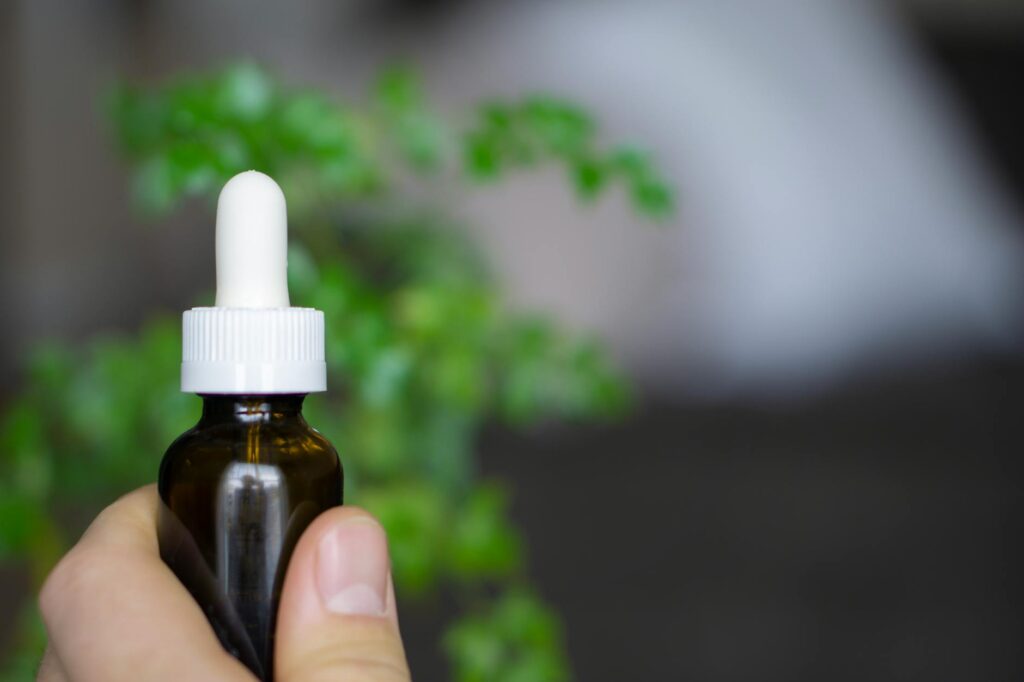
How to Use Aromatherapy Blends for Seasonal Affective Disorder Support
Introduction
Seasonal Affective Disorder (SAD) is a type of depression that occurs at certain times of the year, most commonly during the fall and winter months when daylight hours are shorter. This condition can lead to feelings of sadness, lethargy, and a general sense of disconnection. While various treatments exist, many individuals seek complementary therapies, such as aromatherapy, to enhance their emotional well-being. Aromatherapy blends, derived from essential oils, can offer a sensory experience that may help uplift mood and promote relaxation. This article explores how to use these blends effectively for support during the challenging seasons.
What Are Aromatherapy Blends for Seasonal Affective Disorder Support?
Aromatherapy blends are mixtures of essential oils tailored to promote emotional and physical well-being. These blends are created with specific properties in mind, often focusing on uplifting, calming, or balancing effects. For individuals experiencing SAD, certain essential oils are believed to evoke positive emotions, alleviate stress, and foster a sense of tranquility.
Essential oils such as lavender, bergamot, and sweet orange are commonly included in blends for their mood-enhancing properties. The aromatic compounds in these oils interact with the brain’s limbic system, influencing emotions and behaviors. By utilizing these blends, individuals may find a holistic approach to managing their seasonal mood fluctuations.
Key Benefits and Properties
Aromatherapy blends for SAD support can offer several benefits, including:
1. Mood Enhancement: Certain essential oils, such as citrus oils, are known for their uplifting properties. Inhaling these scents may help elevate mood and reduce feelings of sadness.
2. Stress Reduction: Oils like lavender and chamomile can promote relaxation and calmness, potentially alleviating feelings of anxiety associated with SAD.
3. Increased Energy: Some blends can invigorate the mind and body, helping to combat the lethargy often associated with reduced sunlight exposure.
4. Improved Sleep: Quality sleep is crucial for mental well-being. Calming oils may support better sleep patterns, reducing fatigue during the day.
5. Enhanced Focus: Essential oils such as rosemary and peppermint may help improve concentration and mental clarity, counteracting brain fog.
Common Uses
Aromatherapy blends can be integrated into daily routines in various ways. Here are some common applications:
- Inhalation: Simply inhaling the aroma of essential oils directly from the bottle or using a diffuser can provide immediate mood-enhancing effects.
- Topical Application: Diluting essential oils in a carrier oil and applying them to pulse points, such as wrists or behind the ears, may offer longer-lasting benefits.
- Bath Soaks: Adding essential oils to a warm bath can create a serene environment conducive to relaxation and introspection.
- Massage: Incorporating aromatherapy blends into a massage can enhance the therapeutic experience, promoting both physical and emotional release.
- Room Sprays: Creating a room spray with essential oils can refresh your living space and provide an uplifting ambiance.
- Dilution: Always dilute essential oils before applying them to the skin to avoid irritation. Certain oils may cause allergic reactions or sensitivity.
- Quality of Oils: Use high-quality, pure essential oils from reputable sources. Adulterated or synthetic oils may not provide the desired benefits and could pose health risks.
- Skin Sensitivity: Conduct a patch test by applying a small diluted amount of oil to a discreet area of skin. Wait 24 hours to check for any adverse reactions.
- Pregnancy and Nursing: Consult a qualified professional before using essential oils if you are pregnant, nursing, or have underlying health conditions.
- Children and Pets: Certain essential oils can be harmful to children and pets. Always research the safety of specific oils before use around them.
- Cool, Dark Place: Store essential oils in a cool, dark place away from direct sunlight and heat sources. This helps prevent the degradation of the oils.
- Tightly Sealed: Ensure that bottles are tightly sealed to minimize exposure to air, which can cause oxidation.
- Shelf Life: While essential oils do not have an expiration date, their potency can diminish over time. On average, citrus oils have a shorter shelf life (1-2 years) compared to others like lavender or sandalwood (3-5 years).
Aromatherapy Applications
When applying aromatherapy blends, consider the following methods:
1. Diffusion
Using a diffuser is one of the most effective ways to disperse essential oils into the air. Add a few drops of your chosen blend to the diffuser along with water, and let the device work its magic. This method allows for continuous inhalation of the beneficial aromas throughout the day.
2. Inhalation
For a quick mood boost, place a drop of essential oil on a cotton ball or tissue and inhale deeply. Alternatively, you can create an inhaler stick by adding essential oils to a small inhaler tube.
3. Topical Application
To apply essential oils topically, they must first be diluted in a carrier oil, such as jojoba, coconut, or sweet almond oil. A common dilution ratio is 2-3 drops of essential oil per teaspoon of carrier oil. Once diluted, apply to pulse points or areas of tension.
4. Bath Soak
Create a soothing bath by mixing essential oils with a neutral base, such as Epsom salts or a carrier oil. This not only provides emotional support but also enhances physical relaxation.
5. Room Sprays
Mix essential oils with water and a small amount of alcohol (to help emulsify the oils) in a spray bottle. Shake well before each use and spray to create an uplifting environment.
Safety Considerations
While aromatherapy is generally safe for most individuals, there are some important safety considerations to keep in mind:
Storage and Shelf Life
Proper storage of essential oils is vital to maintain their efficacy:
Frequently Asked Questions
1. Can aromatherapy replace traditional treatments for SAD?
Aromatherapy can be a complementary approach to managing SAD, but it should not replace traditional treatments prescribed by healthcare professionals. Consult a qualified practitioner for personalized advice.
2. How often should I use aromatherapy blends?
The frequency of use can vary based on individual preference and response. Many people find benefit in daily use, while others may prefer occasional applications during particularly challenging times.
3. Are there specific blends recommended for SAD?
Common blends include uplifting oils like bergamot, sweet orange, and grapefruit, combined with calming oils like lavender and chamomile. Experiment with different combinations to find what resonates best with you.
4. Can I use essential oils in a bath if I have sensitive skin?
If you have sensitive skin, always dilute essential oils properly before adding them to your bath. Consider using skin-friendly carriers such as milk or Epsom salts to help disperse the oils.
5. Can I mix different essential oils?
Yes, many people enjoy creating their own blends by combining different essential oils. Start with small amounts to gauge how the scents blend together and ensure the combination is pleasing to you.
Conclusion
Aromatherapy blends can serve as a valuable tool for individuals seeking support during the darker months associated with Seasonal Affective Disorder. By incorporating essential oils into daily routines, individuals may experience enhanced mood, reduced stress, and a greater sense of well-being. As with any approach to emotional health, it’s essential to explore these options thoughtfully and in conjunction with other supportive practices. With careful consideration and mindfulness, aromatherapy can contribute positively to the journey of navigating seasonal challenges.