
How to Use Aromatherapy Blends for Seasonal Affective Disorder
Introduction
Seasonal Affective Disorder (SAD) is a type of depression that occurs at a specific time of year, often during the fall and winter months when daylight hours are shorter. Many individuals affected by SAD report feelings of lethargy, sadness, and a general sense of malaise during these periods. While there are various approaches to managing SAD, including light therapy and counseling, aromatherapy has emerged as a complementary option. This article explores how aromatherapy blends can be used to alleviate some of the symptoms associated with Seasonal Affective Disorder.
What Are Aromatherapy Blends for Seasonal Affective Disorder?
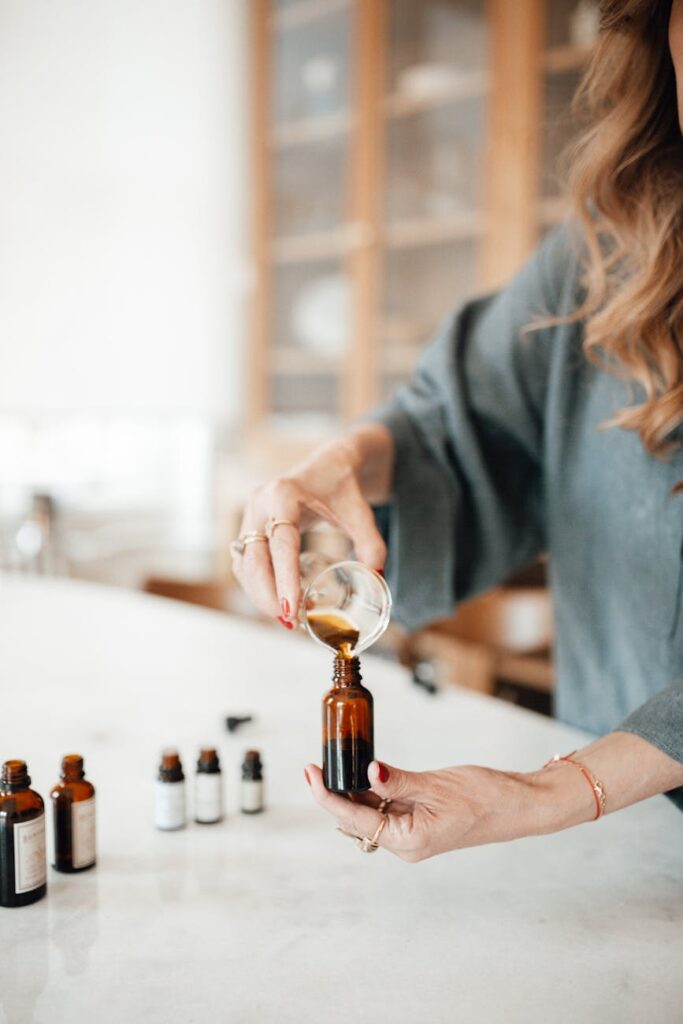
Aromatherapy involves the use of essential oils derived from plants for therapeutic purposes. Essential oils are concentrated extracts that capture the aromatic properties of the plants from which they are sourced. Aromatherapy blends specifically formulated for Seasonal Affective Disorder typically combine essential oils known for their uplifting, calming, or mood-enhancing properties. These blends can be inhaled, diffused, or applied topically, providing a multi-sensory approach to emotional well-being.
Key Benefits and Properties
The use of aromatherapy for emotional support is grounded in the unique properties of essential oils. Some key benefits and properties of essential oils that may be particularly helpful for individuals dealing with SAD include:
- Mood Enhancement: Oils such as bergamot, sweet orange, and grapefruit are known for their uplifting qualities. They can help elevate mood and foster feelings of joy.
- Calming Effects: Oils like lavender and chamomile possess calming properties, which can assist in reducing anxiety and promoting relaxation.
- Energy Boosting: Certain oils, such as peppermint and eucalyptus, can invigorate the senses and combat feelings of fatigue often associated with SAD.
- Stress Reduction: Essential oils like frankincense and ylang-ylang can help mitigate feelings of stress and tension, contributing to an overall sense of well-being.
- Bergamot: Known for its uplifting scent, bergamot can enhance mood and reduce feelings of anxiety.
- Sweet Orange: This cheerful oil is often used to promote feelings of happiness and cheerfulness.
- Lavender: Renowned for its calming properties, lavender can help ease stress and promote restful sleep.
- Peppermint: An invigorating oil, peppermint can help combat fatigue and increase alertness.
- Frankincense: Frequently used in meditation, frankincense can promote feelings of peace and grounding.
- 3 drops bergamot
- 3 drops sweet orange
- 2 drops lemon
- Mix in a diffuser with water or dilute in a carrier oil for topical use.
- 3 drops lavender
- 2 drops chamomile
- 2 drops ylang-ylang
- Use in a bath or as a massage oil.
- 3 drops peppermint
- 2 drops eucalyptus
- 2 drops rosemary
- Diffuse during the day to enhance alertness.
- Dilution: Always dilute essential oils with a carrier oil (such as coconut, jojoba, or almond oil) before applying them to the skin to prevent irritation.
- Patch Test: Perform a patch test by applying a diluted oil to a small area of skin to check for any allergic reactions.
- Consultation: If you are pregnant, nursing, or have existing health conditions, consult with a healthcare professional before using essential oils.
- Quality: Use high-quality, pure essential oils from reputable sources to ensure the best results and minimize the risk of adverse reactions.
- Keep Away from Light: Store essential oils in dark glass bottles to protect them from light, which can degrade their quality.
- Cool, Dry Place: Essential oils should be stored in a cool, dry location, away from direct heat or sunlight.
- Shelf Life: While many essential oils can last for several years when stored properly, their potency may decrease over time. Generally, citrus oils have a shorter shelf life (about 1-2 years), while oils like sandalwood and patchouli can last for several years.
Common Uses
Aromatherapy blends for Seasonal Affective Disorder can be used in various ways to integrate them into daily routines. Here are some common uses:
1. Diffusion: Adding a few drops of an aromatherapy blend to a diffuser can disperse the aroma throughout a room, creating an uplifting atmosphere.
2. Inhalation: For a quick mood boost, inhaling directly from a bottle or placing a few drops on a tissue can provide immediate benefits.
3. Topical Application: When diluted with a carrier oil, aromatherapy blends can be applied to pulse points such as wrists, neck, or temples, allowing for personal and localized effects.
4. Bathing: Adding essential oils to bathwater can create a soothing experience. The warm water can help diffuse the oils into the air while also providing a calming environment.
5. Massage: Blending essential oils with a carrier oil for massage can relieve tension in the body and promote relaxation.
Aromatherapy Applications
Popular Essential Oils for SAD
When selecting essential oils for seasonal affective disorder, consider the following options:
Creating Your Own Blends
Blending essential oils allows for personalized aromatherapy experiences. Here are simple recipes to try:
1. Uplifting Blend:
2. Calming Blend:
3. Invigorating Blend:
Safety Considerations
While aromatherapy can be a beneficial complementary practice, it is essential to consider safety. Here are a few guidelines:
Storage and Shelf Life
Proper storage of essential oils is crucial for maintaining their potency and effectiveness. Here are some best practices:
Frequently Asked Questions
1. Can aromatherapy cure Seasonal Affective Disorder?
Aromatherapy is not a cure for Seasonal Affective Disorder but can serve as a complementary approach to managing symptoms. It may enhance overall well-being and support emotional health when used alongside other treatments.
2. How long does it take to feel the effects of aromatherapy?
The effects of aromatherapy can vary from person to person. Some individuals may experience immediate effects upon inhalation or topical application, while others may require consistent use over time to notice significant changes.
3. Are there any essential oils I should avoid?
Certain essential oils may not be suitable for everyone. For instance, oils like cinnamon and clove can be irritating to the skin and should be used with caution. Always research the specific properties and contraindications of essential oils before use.
4. Can I use aromatherapy while taking medication?
If you are taking medication or undergoing treatment for SAD or any other condition, it is advisable to consult with a healthcare professional before incorporating essential oils into your routine.
5. How do I choose the right essential oils for me?
Choosing the right essential oils is a personal journey. Consider your preferences, any specific symptoms you wish to address, and the properties of the oils that resonate with you. Experimenting with different blends can help you find what works best.
Conclusion
Aromatherapy offers a holistic approach to managing Seasonal Affective Disorder, providing individuals with tools to enhance their emotional well-being during challenging seasons. While it is not a standalone treatment, incorporating essential oils into daily routines can create a more uplifting environment and promote feelings of relaxation and joy. As with any complementary practice, it is essential to use aromatherapy responsibly and in conjunction with other recommended treatments for optimal results.