
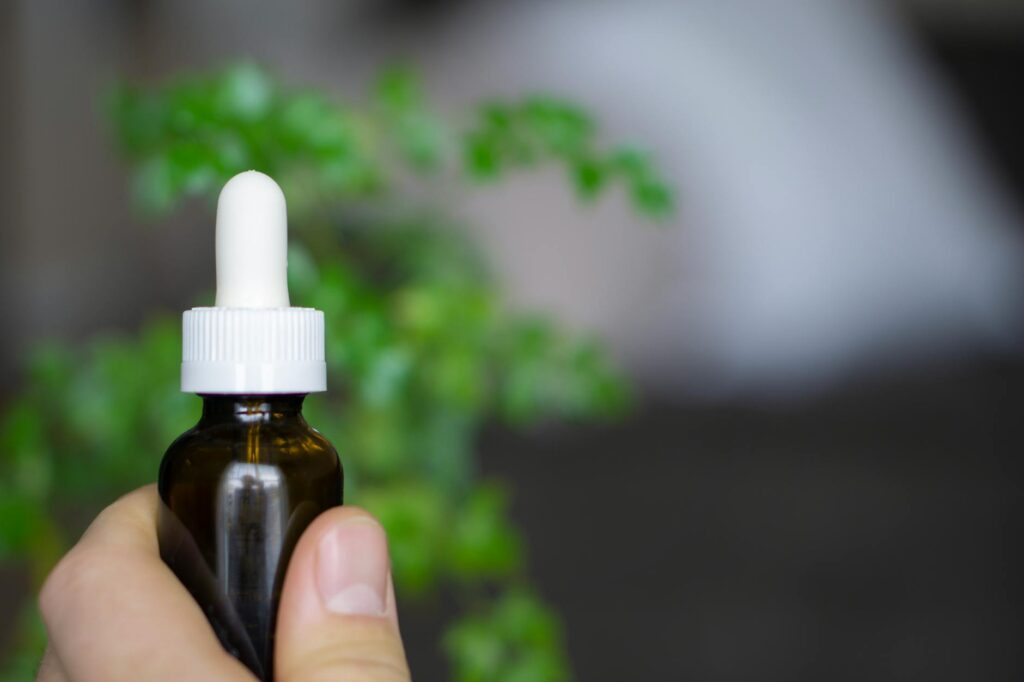
How to Use Aromatherapy Blends for Seasonal Allergies Prevention
Introduction
Seasonal allergies, also known as hay fever or allergic rhinitis, affect millions of individuals worldwide. The symptoms often include sneezing, nasal congestion, itchy eyes, and fatigue, which can significantly impact quality of life. While conventional treatments like antihistamines and nasal sprays are commonly used, many individuals seek alternative methods for prevention and relief. One such method is the use of aromatherapy blends. This article will explore the concept of aromatherapy blends for seasonal allergy prevention, their benefits, and how to effectively incorporate them into your daily routine.
What Is Aromatherapy Blends for Seasonal Allergies Prevention?
Aromatherapy is a holistic practice that utilizes essential oils derived from plants to promote physical and emotional well-being. These essential oils possess unique properties that can aid in alleviating various conditions, including seasonal allergies. Aromatherapy blends specifically designed for allergy prevention often combine multiple essential oils to enhance their therapeutic effects.
The goal of using these blends is to support the body’s natural defenses against allergens and to create a soothing environment that minimizes the discomfort associated with allergic reactions. By inhaling or applying these blends, users can potentially experience relief from symptoms and enhance their overall well-being.
Key Benefits and Properties
Aromatherapy blends can offer several potential benefits for individuals suffering from seasonal allergies:
1. Anti-inflammatory Properties: Many essential oils, such as eucalyptus and lavender, possess anti-inflammatory properties that may help reduce swelling and congestion.
2. Antimicrobial Effects: Certain oils, like tea tree and peppermint, have antimicrobial properties that can help fight off potential infections that may arise due to compromised sinuses or respiratory systems.
3. Respiratory Support: Essential oils like peppermint and eucalyptus can help promote clear breathing by opening airways and easing congestion.
4. Calming Effects: Seasonal allergies can lead to stress and anxiety. Oils such as chamomile and lavender are known for their calming properties, which can help alleviate emotional tension associated with allergy symptoms.
5. Natural and Non-Toxic: Aromatherapy blends are typically made from natural ingredients, making them a safer alternative to synthetic medications for those seeking holistic approaches.
Common Uses
Aromatherapy blends for seasonal allergies can be utilized in various ways:
- Inhalation: The simplest method involves inhaling the aroma of essential oils directly from the bottle or through a diffuser.
- Topical Application: Diluted blends can be applied to pulse points, like wrists and temples, or to areas of tension, such as the sinuses.
- Bathing: Adding essential oils to bathwater can provide a relaxing experience while simultaneously delivering their therapeutic properties to the body.
- Steam Inhalation: Adding essential oils to a bowl of hot water and inhaling the steam can help open up airways and alleviate congestion.
- 3 drops eucalyptus essential oil
- 3 drops peppermint essential oil
- 1 tablespoon carrier oil (like jojoba or sweet almond oil)
- 5 drops lavender essential oil
- 3 drops chamomile essential oil
- 1 tablespoon carrier oil
- 4 drops tea tree essential oil
- 4 drops lemon essential oil
- 1 tablespoon carrier oil
- 3 drops rosemary essential oil
- 3 drops frankincense essential oil
- 1 tablespoon carrier oil
- Dilution: Always dilute essential oils with a carrier oil before applying them to the skin to prevent irritation.
- Patch Test: Conduct a patch test before using a new blend to check for any allergic reactions or sensitivities.
- Pregnancy and Nursing: Pregnant or nursing individuals should consult a healthcare provider before using essential oils, as some may not be safe during these times.
- Children and Pets: Be cautious when using essential oils around children and pets, as some oils can be toxic to them. Always seek guidance on which oils are safe for use around them.
- Storage: Store essential oils in a cool, dark place to preserve their potency and prevent degradation.
- Containers: Keep essential oils in dark glass bottles to protect them from light. Avoid plastic containers, as some oils can degrade plastic.
- Temperature: Store oils in a cool, dry place away from direct sunlight and heat sources. High temperatures can alter the chemical composition of the oils.
- Shelf Life: Most essential oils have a shelf life of 1-3 years, depending on the type. Citrus oils tend to have a shorter shelf life, while oils like patchouli and sandalwood may last longer.
Aromatherapy Applications
Here are some suggested aromatherapy blends that can be effective for seasonal allergies:
1. Eucalyptus and Peppermint Blend
Ingredients:
Application: Mix the essential oils with the carrier oil and apply to the chest and pulse points. Inhalation of this blend can help clear sinuses and promote easier breathing.
2. Lavender and Chamomile Blend
Ingredients:
Application: Use this blend in a diffuser to create a calming atmosphere. It can also be applied topically to pulse points or added to a warm bath for relaxation.
3. Tea Tree and Lemon Blend
Ingredients:
Application: This blend can be used in a diffuser to purify the air and reduce allergens. It may also be beneficial for topical application on areas prone to irritation.
4. Rosemary and Frankincense Blend
Ingredients:
Application: This blend can be inhaled or applied to the chest and throat area to support respiratory health and alleviate discomfort.
Safety Considerations
While aromatherapy is generally considered safe, it is important to observe basic safety guidelines:
Storage and Shelf Life
Proper storage is essential to maintaining the efficacy of essential oils. Here are some guidelines:
Frequently Asked Questions
1. Can aromatherapy completely cure seasonal allergies?
While aromatherapy can provide relief from symptoms and support overall well-being, it is not a cure for seasonal allergies. It is best used as a complementary approach alongside other treatments.
2. How often can I use aromatherapy blends for allergies?
The frequency of use can vary based on individual preference and sensitivity. Generally, inhalation can be done as needed, while topical applications can be used a few times a day if desired.
3. Can I create my own blends?
Yes, creating your own blends can be a fun and personalized way to address your specific needs. Just be sure to research the properties of the essential oils you choose and follow safety guidelines.
4. Are there any essential oils to avoid for allergies?
Some individuals may have sensitivities to certain oils. Common irritants include cinnamon and clove oils, which can be too strong for some people. Always conduct a patch test before widespread use.
5. Can I use aromatherapy in conjunction with other treatments?
Aromatherapy can be used alongside other treatments, but it is advisable to consult a healthcare professional to ensure that there are no contraindications.
Conclusion
Aromatherapy blends can serve as a gentle, holistic approach to managing the symptoms of seasonal allergies. By understanding the properties of various essential oils and incorporating them into daily practices, individuals can create a supportive environment that may alleviate discomfort. While these blends are not a substitute for medical advice or treatment, they can complement a healthy lifestyle and promote overall well-being. Always prioritize safety and individual preferences when exploring the world of aromatherapy.