
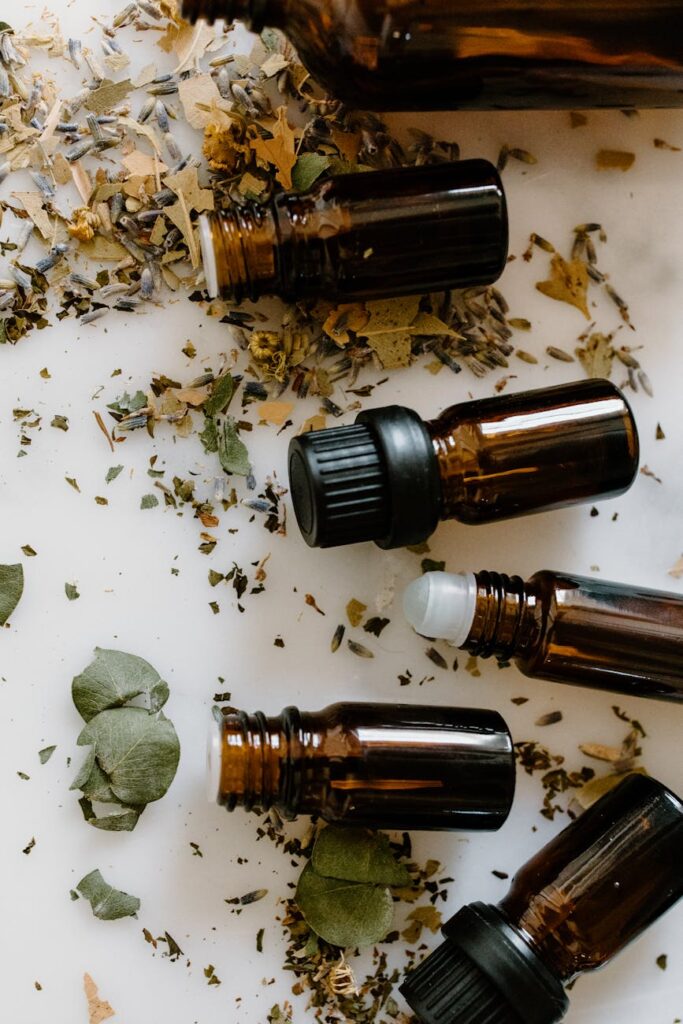
How to Use Aromatherapy Blends for Seasonal Allergies
Introduction
Seasonal allergies, often triggered by pollen, mold spores, and other environmental factors, can significantly affect one’s quality of life. Many individuals seek natural remedies to alleviate symptoms such as sneezing, congestion, and itchy eyes. Aromatherapy, the therapeutic use of essential oils, has gained popularity as a complementary approach to managing these discomforts. This article will explore how aromatherapy blends can be utilized to address seasonal allergies, detailing their benefits, applications, and safety considerations.
What Is Aromatherapy Blends for Seasonal Allergies?
Aromatherapy blends for seasonal allergies comprise a mixture of essential oils specifically selected for their potential to alleviate allergy-related symptoms. Essential oils are highly concentrated extracts derived from various plant parts, such as leaves, flowers, and roots. When blended thoughtfully, these oils can create synergistic effects that may support respiratory health and enhance overall well-being.
Common essential oils used in these blends include lavender, eucalyptus, tea tree, peppermint, and lemon. Each oil carries unique properties, which, when combined, can help mitigate the discomfort associated with seasonal allergies.
Key Benefits and Properties
The benefits of using aromatherapy blends for seasonal allergies are multifaceted:
1. Anti-inflammatory Properties: Many essential oils possess anti-inflammatory attributes that may help soothe irritated airways and reduce swelling.
2. Antimicrobial Effects: Certain oils, like tea tree and eucalyptus, are known for their antimicrobial qualities, which can support respiratory health and combat allergens.
3. Decongestant Qualities: Oils such as peppermint and eucalyptus can act as natural decongestants, helping to clear nasal passages and improve airflow.
4. Mood Enhancement: Seasonal allergies can lead to frustration and anxiety. Essential oils like lavender and chamomile can promote relaxation and a sense of calm.
5. Natural Air Purification: Diffusing essential oils can help cleanse the air of pollutants and allergens, creating a more breathable environment.
Common Uses
Aromatherapy blends can be utilized in various ways to manage seasonal allergy symptoms:
1. Diffusion: Adding essential oils to a diffuser allows for the dispersal of aromatic compounds throughout a room, which can help improve air quality and provide respiratory relief.
2. Inhalation: Direct inhalation of essential oils can provide immediate relief for congested sinuses. This can be achieved by adding a few drops of oil to a bowl of hot water and inhaling the steam or using an inhaler.
3. Topical Application: When diluted with a carrier oil, essential oils can be applied to specific areas, such as the chest or sinuses, to promote localized relief.
4. Bathing: Adding essential oils to a warm bath can create a soothing atmosphere and help ease allergy symptoms through inhalation and skin absorption.
5. Sprays: Creating a room or pillow spray with essential oils can offer ongoing relief and promote a calming environment, especially during sleep.
Aromatherapy Applications
Diffusion
To create an effective diffuser blend, consider using a combination of the following essential oils:
- Eucalyptus: Known for its decongestant properties.
- Peppermint: Offers a cooling sensation and aids in opening airways.
- Lemon: Acts as a natural air purifier and mood enhancer.
- Lavender: Provides calming effects, reducing stress associated with allergies.
- 3 drops of eucalyptus
- 3 drops of peppermint
- 2 drops of lemon
- 2 drops of lavender
- Tea Tree Oil: Supports respiratory function.
- Lavender Oil: Calms the mind and body.
- 1 drop of tea tree oil
- 1 drop of lavender oil
- 2 drops of eucalyptus
- 2 drops of peppermint
- 2 drops of lavender
- 1 tablespoon of carrier oil
- 5 drops of lavender
- 5 drops of eucalyptus
- 10 drops of lemon
- 5 drops of eucalyptus
- 5 drops of lavender
- Store oils in dark glass bottles to protect them from light.
- Keep them in a cool, dry place, away from heat sources.
- Seal bottles tightly after each use to minimize oxidation.
Suggested Blend for Diffusion:
Add these oils to a diffuser filled with water and operate according to the manufacturer’s instructions.
Inhalation
For quick relief, create an inhalation blend:
Suggested Inhalation Blend:
Add these oils to a bowl of steaming hot water. Place a towel over your head and inhale the steam for several minutes, taking care not to get too close to the hot water.
Topical Application
When applying essential oils topically, always dilute them in a carrier oil, such as sweet almond or jojoba oil. Consider the following blend for chest application:
Suggested Chest Rub Blend:
Mix the oils in a small container and apply a small amount to the chest and back of the neck.
Bathing
For a relaxing bath that aids in alleviating allergy symptoms, consider using this blend:
Suggested Bath Blend:
Mix the oils with a small amount of carrier oil or unscented bath salt and add to warm bathwater.
Room Spray
To create a refreshing room spray, combine the following:
Suggested Room Spray Blend:
Mix the oils with 2 ounces of distilled water in a spray bottle. Shake well before each use.
Safety Considerations
While essential oils are generally considered safe when used appropriately, several precautions should be observed:
1. Dilution: Always dilute essential oils with a carrier oil before applying them to the skin to prevent irritation.
2. Patch Test: Conduct a patch test on a small area of skin before wider application to ensure there is no allergic reaction.
3. Consultation: If you are pregnant, nursing, or have specific health conditions, consult a healthcare professional before using essential oils.
4. Quality: Use only high-quality, pure essential oils from reputable sources to ensure safety and efficacy.
5. Storage: Store essential oils in a cool, dark place, away from direct sunlight, to maintain their potency.
Storage and Shelf Life
Essential oils have varying shelf lives, typically ranging from 1 to 5 years, depending on the oil type and storage conditions. To ensure longevity:
Frequently Asked Questions
Can aromatherapy completely eliminate seasonal allergy symptoms?
While aromatherapy can help alleviate discomfort associated with seasonal allergies, it is not a cure. It is best used as a complementary approach alongside other management strategies.
How often can I use aromatherapy blends for allergies?
The frequency of use depends on individual preference and tolerance. It is advisable to start with small amounts and adjust according to personal comfort.
Are there any essential oils that should be avoided during allergy season?
Certain oils may trigger sensitivities in some individuals. If you have a known allergy to a specific plant or oil, it is best to avoid using it.
Can children use aromatherapy blends?
While some essential oils are safe for children, they should be used with caution and in diluted forms. It is advisable to consult a pediatrician before using essential oils on children.
Is there a difference between therapeutic-grade and regular essential oils?
Therapeutic-grade essential oils are typically more pure and free from synthetic additives. They are often recommended for therapeutic use, while regular oils may be more suitable for fragrance purposes.
Conclusion
Aromatherapy blends offer a natural approach to managing the discomfort associated with seasonal allergies. By understanding the properties and applications of essential oils, individuals can create personalized blends that may provide relief. However, it is essential to approach aromatherapy with caution and mindfulness, ensuring that safety considerations are prioritized. As you explore the world of essential oils, remember that while they can enhance well-being, they are best used as part of a holistic strategy for managing seasonal allergies.