
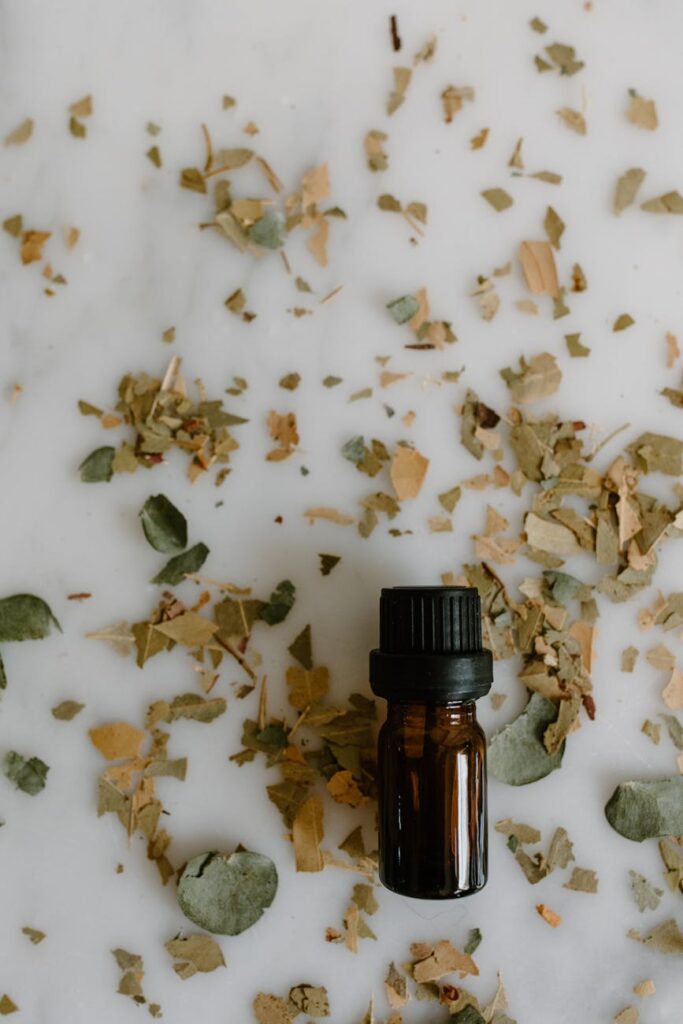
How to Use Aromatherapy Blends for Seasonal Allergy Prevention
Introduction
Seasonal allergies, often caused by pollen from plants, grasses, and trees, can lead to discomfort and hinder daily activities. While conventional remedies exist, many individuals turn to natural alternatives, such as aromatherapy, to alleviate symptoms and enhance overall well-being. This article explores how aromatherapy blends can be utilized for seasonal allergy prevention, highlighting their benefits, applications, and safety considerations.
What Is Aromatherapy Blends for Seasonal Allergy Prevention?
Aromatherapy is a holistic practice that utilizes essential oils derived from plants to promote physical, emotional, and mental health. When blended specifically for seasonal allergies, these essential oils are chosen for their properties that may help reduce symptoms associated with allergic reactions, such as nasal congestion, inflammation, and irritation.
Aromatherapy blends for seasonal allergies typically include oils known for their anti-inflammatory, antihistamine, and soothing properties. By inhaling or applying these essential oils, individuals may experience relief from allergy symptoms, creating a more comfortable seasonal transition.
Key Benefits and Properties
Aromatherapy blends can offer several potential benefits for seasonal allergy sufferers:
1. Anti-Inflammatory Properties: Certain essential oils, such as eucalyptus and lavender, possess anti-inflammatory characteristics that may help reduce swelling in the respiratory system.
2. Antihistamine Effects: Oils like peppermint and chamomile are believed to have antihistamine properties, which could assist in alleviating common allergy symptoms like sneezing and runny nose.
3. Decongestant Qualities: Eucalyptus and tea tree oils are renowned for their decongestant effects, making breathing easier during allergy season.
4. Calming and Soothing: Many essential oils, including bergamot and frankincense, promote relaxation and emotional balance, which can be particularly beneficial during stressful allergy periods.
5. Support for Immune System: Oils such as lemon and oregano may support the immune system, potentially helping the body cope with allergens more effectively.
Common Uses
Aromatherapy blends can be employed in various ways to assist with seasonal allergies:
1. Diffusion: Using an essential oil diffuser allows the aroma to permeate the air, making it a popular method for inhalation.
2. Topical Application: Blending essential oils with a carrier oil enables safe application on the skin, particularly on pulse points or areas prone to congestion.
3. Inhalation: Direct inhalation from the bottle or a cotton ball can provide immediate relief.
4. Baths: Incorporating essential oils into bathwater may promote relaxation while alleviating allergy symptoms.
5. DIY Products: Creating personal care products, such as chest rubs or sprays, can offer convenient ways to utilize aromatherapy blends.
Aromatherapy Applications
Diffusion
To create a soothing environment during allergy season, consider diffusing a blend of essential oils. A recommended blend might include:
- Eucalyptus (10 drops): Known for its decongestant properties.
- Lavender (5 drops): Offers calming effects and reduces stress.
- Peppermint (5 drops): Helps clear nasal passages.
- Carrier oil (30 ml): Such as sweet almond or jojoba oil.
- Tea tree oil (5 drops): Antimicrobial properties.
- Chamomile oil (5 drops): Soothing effects.
- Lemon oil (5 drops): Immune support.
- Peppermint: For immediate relief from congestion.
- Eucalyptus: To open airways.
- Epsom salt (1 cup): To help relax muscles.
- Lavender oil (10 drops): To promote relaxation.
- Eucalyptus oil (5 drops): For decongestant properties.
- Carrier oil (30 ml)
- Eucalyptus oil (10 drops)
- Peppermint oil (5 drops)
- Lavender oil (5 drops)
Add these oils to a diffuser filled with water and allow them to disperse into the air, breathing in the blend for up to 30 minutes.
Topical Application
For direct relief, a topical blend can be beneficial. A simple recipe may include:
Mix these oils in a small glass bottle. Apply a small amount to pulse points or areas of discomfort as needed.
Inhalation
For quick relief, direct inhalation can be effective. Place a few drops of your chosen essential oil on a cotton ball and inhale deeply. Oils that work well for this method include:
Bath Application
A relaxing bath can also serve as a remedy. Combine:
Add this mixture to warm bathwater and soak for 20 minutes, allowing the oils to work on the body while enjoying the soothing environment.
DIY Products
Creating your own products allows for customization based on personal preferences. For instance, a chest rub can be made with:
Combine these ingredients in a small jar and apply to the chest and back before bed for comforting relief.
Safety Considerations
While generally safe when used correctly, there are important safety considerations to keep in mind when using essential oils:
1. Dilution: Always dilute essential oils in a carrier oil before applying them to the skin to prevent irritation.
2. Patch Test: Conduct a patch test on a small area of skin to check for allergic reactions before widespread use.
3. Pregnancy and Nursing: Some essential oils may not be suitable for use during pregnancy or while nursing. Consulting a qualified professional is recommended.
4. Children and Pets: Certain oils can be harmful to children and pets. Use caution and consult reputable sources regarding safe oils for these populations.
5. Quality of Oils: Select high-quality, therapeutic-grade essential oils from reputable sources to ensure safety and efficacy.
Storage and Shelf Life
Proper storage of essential oils is crucial to maintain their potency and effectiveness. Here are some guidelines:
1. Cool, Dark Place: Store essential oils in a cool, dark area away from sunlight to prevent degradation.
2. Tightly Sealed Containers: Keep oils in tightly sealed glass bottles to minimize exposure to air, which can cause oxidation.
3. Labeling: Clearly label each bottle with the name and date of purchase to track freshness.
4. Shelf Life: Essential oils have varying shelf lives. Generally, citrus oils may last 1-2 years, while oils like sandalwood and patchouli can last up to 10 years when stored properly.
Frequently Asked Questions
Can aromatherapy completely prevent seasonal allergies?
While aromatherapy can provide relief from symptoms, it is not a guaranteed prevention method. It is most effective when used in conjunction with other allergy management strategies.
Are there any essential oils that should be avoided?
Certain essential oils, such as those from the mint family, may exacerbate symptoms in some individuals. It’s important to know personal sensitivities and to consult a qualified professional if unsure.
How often can I use these blends?
Aromatherapy blends can be used as needed, but it’s advisable to avoid excessive use of any single oil to prevent sensitization.
Can I use aromatherapy with other allergy medications?
Aromatherapy is often safe to use alongside conventional medications, but consulting a healthcare provider is recommended to ensure compatibility.
Are there specific oils recommended for children?
Certain essential oils are more suitable for children, such as lavender and chamomile. Always consult a healthcare provider or a certified aromatherapist for guidance.
—
In conclusion, aromatherapy blends can be a valuable tool in managing seasonal allergies, offering a holistic approach to symptom relief. By understanding the benefits, applications, and safety considerations, individuals can incorporate these natural remedies into their seasonal wellness routines.