
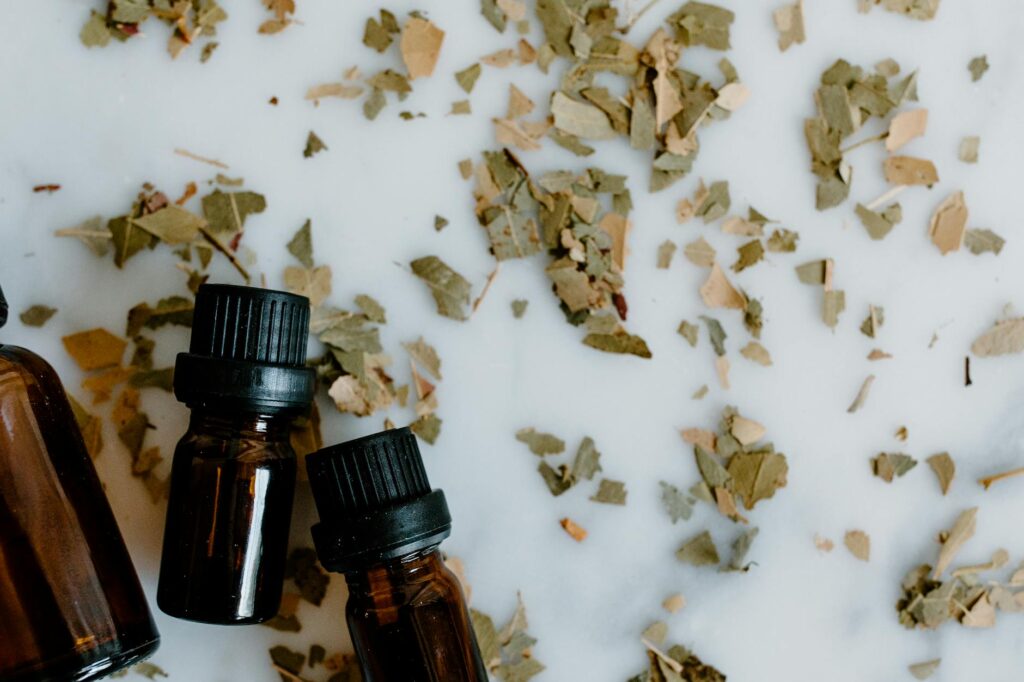
How to Use Aromatherapy Blends for Seasonal Detoxification
Introduction
As the seasons change, many individuals seek ways to refresh and renew their bodies and minds. Aromatherapy, a holistic practice that utilizes essential oils derived from plants, can be a valuable tool for seasonal detoxification. This article explores the concept of aromatherapy blends specifically designed for detoxifying the body as the seasons transition, highlighting their benefits, applications, and safe usage.
What Are Aromatherapy Blends for Seasonal Detoxification?
Aromatherapy blends for seasonal detoxification are combinations of essential oils formulated to support the body’s natural detoxification processes. These blends typically include oils known for their purifying, cleansing, and revitalizing properties. The aim is to assist the body in expelling toxins accumulated over time, particularly during seasonal transitions when the body may be more susceptible to environmental changes.
Essential oils are concentrated extracts from various parts of plants, including leaves, flowers, roots, and bark. When used in aromatherapy, these oils can be inhaled, applied topically, or diffused into the air. Seasonal detoxification blends often focus on oils believed to stimulate the liver, enhance lymphatic drainage, and promote overall well-being.
Key Benefits and Properties
The benefits of using aromatherapy blends for seasonal detoxification are multi-faceted:
1. Support for the Immune System: Certain essential oils, like eucalyptus and tea tree, possess antimicrobial properties that may help bolster the immune response.
2. Enhancement of Mood: Seasonal changes can affect mood and energy levels. Oils such as lemon and peppermint are uplifting and can help combat seasonal blues.
3. Promotion of Relaxation: Oils like lavender and chamomile can aid in relaxation, reducing stress that can accompany seasonal shifts.
4. Detoxification Support: Oils such as grapefruit and juniper are known for their ability to promote liver function and enhance the body’s natural detox pathways.
5. Improved Respiratory Function: Essential oils can assist in clearing the airways, making breathing easier, especially during seasonal allergies.
Common Uses
Aromatherapy blends for detoxification can be used in various ways, including:
1. Diffusion: Adding a few drops of the blend to a diffuser allows the essential oils to disperse into the air, providing aromatic benefits throughout a room.
2. Topical Application: Diluting essential oils with a carrier oil (such as coconut or jojoba oil) and applying them to pulse points can provide direct benefits to the skin and body.
3. Bath Soaks: Adding essential oils to a warm bath can create a soothing environment for relaxation and detoxification.
4. Inhalation: Placing a few drops on a tissue or using an inhaler can provide immediate benefits, especially for respiratory support.
5. Massage: Incorporating the blend into a massage oil can enhance relaxation and promote circulation.
Aromatherapy Applications
When creating or using aromatherapy blends for seasonal detoxification, consider the following essential oils:
1. Citrus Oils
- Grapefruit: Known for its uplifting scent, grapefruit oil is thought to stimulate liver function and promote lymphatic drainage.
- Lemon: This oil is often associated with cleansing properties and can enhance mood while promoting detoxification.
- Peppermint: Useful for its invigorating scent, peppermint may aid digestion and promote mental clarity.
- Rosemary: Recognized for its stimulating effects, rosemary oil can enhance circulation and support cognitive function.
- Cedarwood: This oil is grounding and may help to reduce stress while promoting mental clarity.
- Frankincense: Often used for its calming properties, frankincense can support emotional well-being during seasonal transitions.
- Lavender: Renowned for its calming effects, lavender can aid relaxation and improve sleep quality.
- Chamomile: This oil is soothing and may help alleviate anxiety, making it beneficial during stressful seasonal changes.
- Ginger: Known for its warming properties, ginger oil can support digestion and enhance circulation.
- Clary Sage: Often used for its calming effects, clary sage can assist in balancing emotions during times of transition.
- Container: Use dark glass bottles to protect oils from sunlight, which can degrade their quality.
- Temperature: Store oils in a cool, dry place away from heat sources.
- Shelf Life: Essential oils vary in shelf life, generally ranging from 1 to 5 years, depending on the type. Citrus oils tend to have a shorter shelf life compared to woodsy or resinous oils.
2. Herbal Oils
3. Woodsy Oils
4. Floral Oils
5. Spicy Oils
Safety Considerations
While aromatherapy can be a beneficial practice, it is essential to consider safety guidelines:
1. Dilution: Always dilute essential oils with a carrier oil before topical application to prevent skin irritation.
2. Patch Test: Conduct a patch test by applying a small amount of the diluted oil to a small area of skin to check for allergic reactions.
3. Avoid Certain Groups: Pregnant or nursing women, children, and those with specific health conditions should consult a qualified professional before using essential oils.
4. Quality of Essential Oils: Use only high-quality, pure essential oils from reputable sources to ensure safety and efficacy.
5. Storage: Store essential oils in a cool, dark place to maintain their potency and prevent degradation.
Storage and Shelf Life
Proper storage is crucial for maintaining the quality of essential oils. Here are some guidelines:
Frequently Asked Questions
1. Can I create my own detoxification blend?
Yes, you can create your own blend by combining essential oils known for their detoxifying properties. Start with a base of 2-3 oils and adjust according to your preference.
2. How often can I use aromatherapy blends for detoxification?
Frequency of use can vary based on individual needs and sensitivity. Generally, using a blend daily or several times a week can be beneficial, but listen to your body and adjust accordingly.
3. Can I use aromatherapy blends during allergy season?
Aromatherapy can be helpful during allergy season, particularly oils like eucalyptus and peppermint that may assist in respiratory support. However, it’s essential to monitor your reactions to specific oils.
4. Are there any oils I should avoid?
Some individuals may be sensitive to certain oils, such as cinnamon or clove, which can be irritating. Always perform a patch test and consult a professional if unsure.
5. Can aromatherapy replace medical treatments?
Aromatherapy is a complementary practice and should not replace medical treatments or advice. Always consult a healthcare professional for medical concerns.
Conclusion
Aromatherapy blends can be a harmonious and effective way to support the body during seasonal changes. By utilizing the properties of essential oils and understanding their benefits, individuals can create a personalized approach to seasonal detoxification. Remember to prioritize safety, use high-quality oils, and enjoy the holistic benefits that aromatherapy can offer. Whether through diffusion, topical application, or bath soaks, the natural scents of aromatherapy can enhance your seasonal wellness journey.