
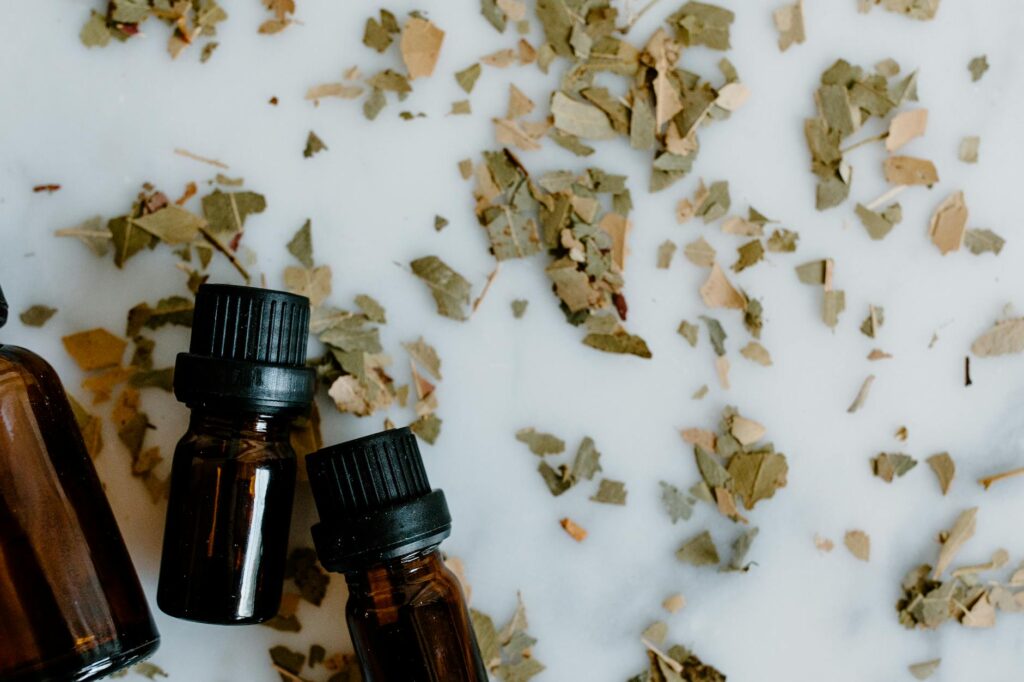
How to Use Aromatherapy Blends for Seasonal Immune Support
Introduction
As the seasons change, so do the challenges our immune systems face. Whether it’s the onset of winter colds or the allergies that accompany spring, finding natural ways to support our immune health is essential. Aromatherapy, the practice of using essential oils for therapeutic purposes, offers a holistic approach to bolstering immunity during seasonal transitions. This article will explore how to effectively use aromatherapy blends for seasonal immune support, discussing their benefits, applications, and safety considerations.
What Are Aromatherapy Blends for Seasonal Immune Support?
Aromatherapy blends are concoctions of essential oils designed to harness the therapeutic properties of various plants. When it comes to seasonal immune support, these blends typically include oils known for their immune-boosting, anti-inflammatory, and respiratory benefits. Popular essential oils in these blends may include eucalyptus, tea tree, lavender, lemon, and peppermint, among others.
These oils can work synergistically to support overall well-being, making them ideal for seasonal changes when the body may require additional support. By inhaling or applying these blends, individuals can potentially enhance their immune responses and promote a sense of wellness.
Key Benefits and Properties
The essential oils commonly used in aromatherapy blends for immune support come with a variety of beneficial properties:
1. Antimicrobial Properties: Many essential oils, such as tea tree and eucalyptus, possess natural antimicrobial properties that can help fend off pathogens.
2. Anti-inflammatory Effects: Oils like lavender and chamomile are known for their anti-inflammatory benefits, which may help alleviate discomfort associated with seasonal ailments.
3. Expectorant Qualities: Certain oils can help clear the respiratory tract. For example, eucalyptus is often used to ease congestion and promote easier breathing.
4. Mood Enhancement: Seasonal changes can affect mood. Citrus oils like lemon and orange are uplifting and can help alleviate feelings of fatigue or malaise.
5. Stress Reduction: The calming effects of essential oils such as lavender can support emotional well-being, which is vital for maintaining a healthy immune response.
Common Uses
Aromatherapy blends for seasonal immune support can be employed in various ways:
- Diffusion: One of the most popular methods, diffusing essential oils in a space not only fills the air with pleasant aromas but also allows for the inhalation of beneficial compounds.
- Topical Application: When diluted with a carrier oil, essential oils can be applied directly to the skin. This method may be particularly effective for localized support, such as applying a blend to the chest for respiratory benefits.
- Inhalation: Simply inhaling a few drops of essential oil directly from the bottle or from a cotton ball can provide immediate benefits.
- Baths: Adding essential oils to a warm bath can create a soothing experience while simultaneously promoting relaxation and comfort.
- Steam Inhalation: This method involves adding essential oils to hot water and inhaling the steam, which can be particularly beneficial for respiratory support.
- 3 drops eucalyptus
- 2 drops tea tree
- 2 drops peppermint
- 3 drops lavender
- 2 drops lemon
- 2 drops bergamot
- 4 drops lemon
- 2 drops rosemary
- 2 drops thyme
- Diffusion: Use an essential oil diffuser according to the manufacturer’s instructions. Typically, you would add water and a few drops of your chosen blend to the diffuser.
- Topical Use: To apply topically, dilute essential oils in a carrier oil such as sweet almond or jojoba oil at a ratio of 2-3 drops of essential oil per teaspoon of carrier oil.
- Inhalation: For direct inhalation, place a few drops of essential oil on a cotton ball or tissue and inhale deeply.
- Steam Inhalation: Boil water and pour it into a bowl. Add 2-3 drops of your essential oil blend, then lean over the bowl with a towel draped over your head to trap the steam. Breathe deeply for a few minutes.
- Bathing: For a relaxing bath, mix 5-10 drops of essential oil with a carrier oil or Epsom salt before adding it to warm bathwater.
- Dilution: Always dilute essential oils before applying them to the skin to prevent irritation. Generally, a 2-3% dilution (2-3 drops of essential oil per teaspoon of carrier oil) is recommended for topical application.
- Patch Test: Before using a new essential oil, perform a patch test by applying a small amount to a discreet area of skin to check for allergic reactions.
- Consultation: If you are pregnant, nursing, have existing health conditions, or are taking medications, consult a qualified healthcare provider before using essential oils.
- Child Safety: Be cautious when using essential oils around children. Some oils may not be suitable for young children, and dilution is particularly important in these cases.
Aromatherapy Applications
Creating Your Own Blends
To create effective aromatherapy blends for seasonal immune support, consider the following combinations:
1. Respiratory Blend:
This blend can be diffused or used in steam inhalation to help clear the airways.
2. Calming & Uplifting Blend:
This blend can help alleviate seasonal stress and promote mental clarity.
3. Immune Boosting Blend:
This blend supports general immune health and can be diffused during peak seasons of illness.
Application Techniques
Safety Considerations
While aromatherapy is generally considered safe, it is important to follow certain guidelines:
Storage and Shelf Life
Proper storage of essential oils is essential to maintain their potency and effectiveness. Essential oils should be stored in a cool, dark place in tightly sealed amber or cobalt glass bottles to protect them from light and heat.
Most essential oils have a shelf life ranging from 1 to 3 years, although some oils may last longer. Citrus oils generally have a shorter shelf life, while oils like sandalwood and patchouli may improve with age. Always check for changes in color, consistency, or smell, as these can indicate that an oil has degraded.
Frequently Asked Questions
Can essential oils replace traditional medicine?
Aromatherapy should not be viewed as a replacement for traditional medicine. It can be a complementary practice, but it is important to consult healthcare professionals for any medical concerns.
How often can I use aromatherapy blends for immune support?
You can use aromatherapy blends daily; however, it’s best to limit the use of any particular essential oil to avoid sensitization. Consider rotating your blends to keep your experience fresh and effective.
Are there any essential oils to avoid during pregnancy?
Yes, some essential oils are contraindicated during pregnancy, including but not limited to, sage, rosemary, and clary sage. Always consult a healthcare provider before using essential oils during pregnancy.
What should I do if I experience skin irritation?
If you experience any irritation or allergic reaction after applying essential oils, discontinue use immediately and wash the area with soap and water. Applying a carrier oil may help to soothe the skin.
Can I use aromatherapy blends for pets?
Some essential oils can be harmful to pets. If you are considering using aromatherapy around animals, consult a veterinarian knowledgeable about essential oils.
Conclusion
Aromatherapy blends can be an effective and pleasant way to support immune health during seasonal transitions. By understanding the properties of essential oils, their applications, and safety considerations, individuals can harness the power of nature to promote well-being. Whether through diffusion, topical application, or inhalation, incorporating these blends into your routine can enhance your seasonal immune support strategy. Always remember to treat aromatherapy as a complementary practice and consult professionals when necessary to ensure safe and effective use.