
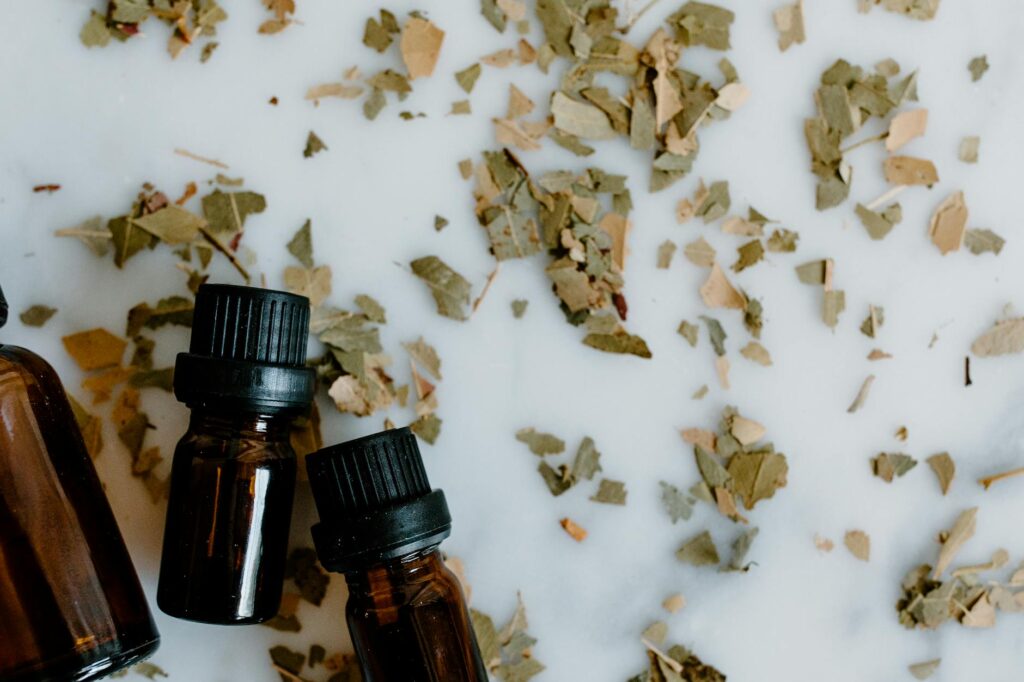
How to Use Aromatherapy Blends for Seasonal Immune System Support
Introduction
As the seasons change, many individuals find themselves grappling with fluctuations in health and wellness. The transition from the warmth of summer to the chill of winter, or from the dry heat of summer to the dampness of autumn, can prompt a host of immune system challenges. Aromatherapy, the practice of using essential oils for therapeutic purposes, has gained popularity as a natural approach to bolster immune health during these seasonal shifts. This article delves into the specifics of aromatherapy blends designed to support the immune system, outlining their properties, applications, and considerations for safe use.
What Is Aromatherapy Blends for Seasonal Immune System Support?
Aromatherapy blends for seasonal immune system support consist of carefully curated combinations of essential oils known to possess properties that may enhance the body’s natural defenses. These blends are typically formulated based on the specific needs associated with certain seasons, taking into account common ailments such as colds, allergies, and respiratory issues.
Essential oils are extracted from various parts of plants, including leaves, flowers, stems, and roots, and each oil carries unique characteristics. When blended, these oils can create synergistic effects that amplify their individual benefits, making them more effective for immune support.
Key Benefits and Properties
Aromatherapy blends for immune support may offer a variety of benefits, including:
- Antimicrobial Properties: Many essential oils, such as tea tree and eucalyptus, are recognized for their ability to combat bacteria and viruses, potentially reducing the risk of infections.
- Anti-inflammatory Effects: Oils like lavender and chamomile may help reduce inflammation, which can be beneficial during seasonal changes when individuals often experience allergies or respiratory discomfort.
- Stress Relief: Stress can weaken the immune system, and oils such as bergamot and frankincense are known for their calming properties, helping to alleviate anxiety and promote relaxation.
- Respiratory Support: Oils like peppermint and thyme are often used to support respiratory health, making them valuable during flu season or when seasonal allergens are prevalent.
- Mood Enhancement: Many essential oils can uplift mood and energy levels, providing emotional support during times when seasonal changes may lead to feelings of lethargy or sadness.
- Inhalation: Direct inhalation of essential oils can provide immediate benefits. This can be done by placing a few drops of essential oil on a tissue or using a personal inhaler.
- Diffusion: Using a diffuser to disperse essential oils into the air allows for a broader application and can enhance the atmosphere of a room, promoting wellness for all occupants.
- Topical Application: Diluting essential oils in a carrier oil and applying them to the skin can help target specific areas of concern, such as the chest or throat.
- Bathing: Adding essential oils to a warm bath can create a soothing experience while promoting relaxation and respiratory support.
- Household Cleaning: Some essential oils possess antimicrobial properties that can be used in homemade cleaning solutions, contributing to a healthier living environment.
- For adults: Use a 2% dilution (approximately 12 drops of essential oil per ounce of carrier oil).
- For children: Use a 1% dilution (approximately 6 drops of essential oil per ounce of carrier oil).
- Quality of Oils: Use high-quality essential oils that are pure and free from synthetic additives. Look for reputable brands that provide third-party testing.
- Skin Sensitivity: Conduct a patch test before applying essential oils to the skin. Apply a diluted drop to a small area and monitor for any adverse reactions.
- Contraindications: Certain oils may not be suitable for individuals with specific health conditions, pregnant or nursing women, and young children. Always research oils before use.
- Storage: Keep essential oils in dark glass bottles away from sunlight and heat to maintain their potency.
- Containers: Use dark glass bottles to protect oils from light and oxidation.
- Temperature: Store oils in a cool, dry place, ideally between 60-70°F (15-21°C).
- Shelf Life: Most essential oils have a shelf life of 1-3 years, though some citrus oils may degrade more quickly. Regularly check for changes in scent or consistency.
Common Uses
Aromatherapy blends for seasonal immune system support can be utilized in various ways, including:
Aromatherapy Applications
Inhalation Techniques
To effectively utilize inhalation techniques, consider the following methods:
1. Tissue Inhalation: Place 1-2 drops of your chosen essential oil on a tissue and inhale deeply. This method is portable and convenient.
2. Personal Inhaler: Fill a personal inhaler with 10-15 drops of essential oil blend and use as needed throughout the day.
3. Steam Inhalation: In a bowl of hot water, add a few drops of essential oil and inhale the steam. This method can help clear sinuses and promote respiratory health.
Diffusion
Using a diffuser is an effective way to disperse essential oils into the environment. Here’s how to do it:
1. Select Your Blend: Choose a blend that aligns with your seasonal needs. Common blends may include eucalyptus, lemon, and tea tree for immune support.
2. Add Water and Oils: Fill the diffuser with the recommended amount of water and add 5-10 drops of essential oils.
3. Activate the Diffuser: Turn on the diffuser and enjoy the aromatic benefits while it disperses the oils into the air.
Topical Application
When applying essential oils topically, it’s crucial to dilute them with a carrier oil such as coconut, jojoba, or almond oil. The general guideline for dilution is:
Apply the blend to areas of concern, such as the chest, back, or pulse points, and gently massage in.
Bathing
For a relaxing and therapeutic experience, consider adding essential oils to your bath:
1. Prepare the Bath: Fill the tub with warm water.
2. Add Essential Oils: Combine 5-10 drops of essential oil with a tablespoon of carrier oil or Epsom salts before adding it to the bathwater. This helps disperse the oils and prevent skin irritation.
3. Immerse: Soak in the tub for 20-30 minutes to fully enjoy the benefits.
Safety Considerations
While aromatherapy can be a beneficial practice, it’s essential to ensure safety:
Storage and Shelf Life
Proper storage is vital for preserving the quality of essential oils. Follow these guidelines:
Frequently Asked Questions
Can I use essential oils if I have allergies?
While many essential oils can support respiratory health, some individuals may be sensitive to specific oils. Conduct thorough research and consider consulting a professional before use.
How often can I apply essential oils?
Topical applications can be done 1-3 times daily, depending on individual tolerance and the specific oil or blend used.
Can children use essential oils?
Certain essential oils can be used for children, but it is crucial to dilute them properly and choose child-safe oils. Always consult with a healthcare professional for guidance.
Is it safe to use essential oils during pregnancy?
While some essential oils are considered safe during pregnancy, others may not be recommended. Always consult with a healthcare provider before using any essential oils.
What are some popular blends for immune support?
Common blends include eucalyptus, tea tree, lemon, lavender, and peppermint. Custom blends can be created based on individual preferences and seasonal needs.
Conclusion
Aromatherapy blends can provide valuable support for the immune system during seasonal transitions. By understanding the benefits, applications, and safety considerations of essential oils, individuals can harness the power of nature to enhance their overall well-being. As with any holistic practice, knowledge and caution are key to ensuring effective and safe use.