
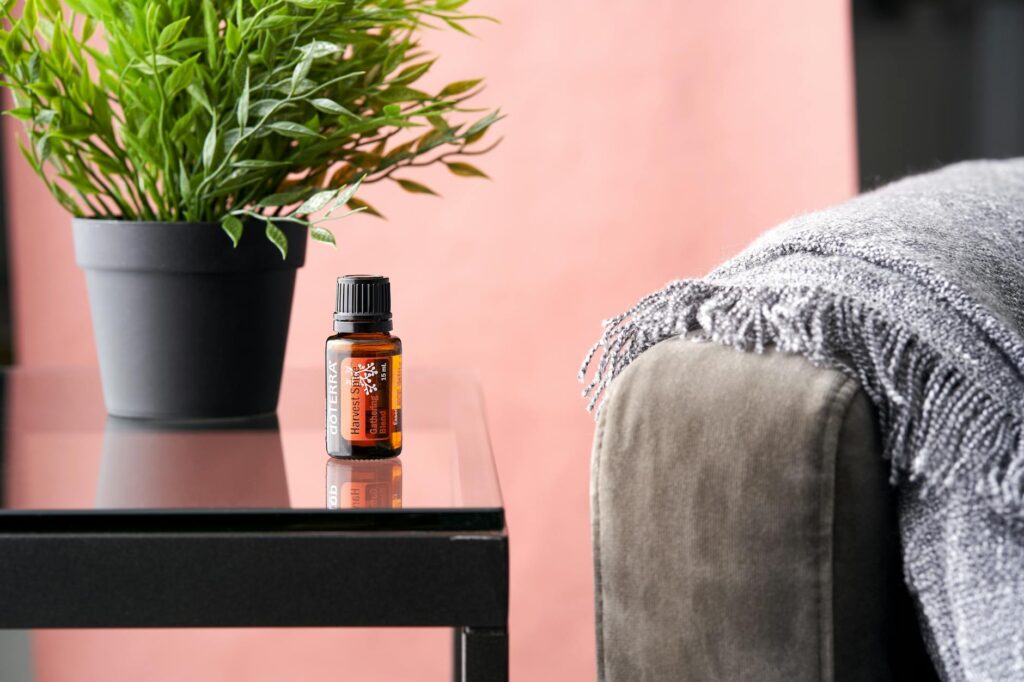
How to Use Aromatherapy Blends for Seasonal Mood Resilience
Introduction
Aromatherapy, the practice of using essential oils for therapeutic purposes, has gained significant popularity in recent years. With the changing seasons, many individuals experience shifts in mood and energy levels. Seasonal mood resilience refers to the ability to maintain emotional balance and well-being throughout the year, particularly during times when mood fluctuations are common, such as during the transition between seasons. Aromatherapy blends tailored to support mood can be an effective and natural way to enhance emotional stability. This article explores the concept of aromatherapy blends for seasonal mood resilience, their benefits, common uses, applications, safety considerations, and storage guidelines.
What Is Aromatherapy Blends for Seasonal Mood Resilience?
Aromatherapy blends for seasonal mood resilience consist of carefully selected essential oils combined to promote emotional well-being and help individuals adjust to seasonal changes. These blends can be designed to uplift, calm, or stabilize mood, providing support during times of transition. Different oils possess unique properties that can influence mental and emotional states, making it essential to create blends that cater to specific needs.
Essential oils are extracted from various parts of plants, including leaves, flowers, stems, and roots, capturing the plant’s essence and aroma. When inhaled or absorbed through the skin, these oils can evoke various emotional responses, making them versatile tools for mood management.
Key Benefits and Properties
Aromatherapy blends for seasonal mood resilience offer several benefits:
1. Emotional Balance: Many essential oils have properties that can help stabilize mood swings, reduce anxiety, and promote a sense of calm.
2. Stress Reduction: Certain oils can help to alleviate stress and tension, making it easier to navigate challenging emotional landscapes.
3. Enhanced Focus: Some blends can improve concentration and mental clarity, helping individuals remain productive and engaged during seasonal transitions.
4. Uplifting Effects: Many essential oils have uplifting properties that can combat feelings of sadness or lethargy, particularly during the darker months of the year.
5. Natural and Holistic: Using aromatherapy blends allows for a natural approach to emotional well-being, without the potential side effects of pharmaceutical interventions.
Common Uses
Aromatherapy blends for seasonal mood resilience can be used in various ways, adapting to individual preferences and lifestyles. Some common uses include:
- Diffusion: Utilizing an essential oil diffuser, individuals can disperse the aromatic molecules into the air, filling a room with uplifting or calming scents.
- Inhalation: Direct inhalation from the bottle or using a personal inhaler can provide immediate emotional benefits.
- Topical Application: Diluting essential oils in a carrier oil and applying them to pulse points can deliver therapeutic properties directly to the skin.
- Bathing: Adding essential oils to a warm bath can create a soothing and immersive experience, promoting relaxation and emotional release.
- Massage: Incorporating aromatherapy blends into massage therapy can enhance the relaxation effects of the treatment and support emotional healing.
- Lavender (Lavandula angustifolia): Known for its calming and relaxing effects, lavender is often used to alleviate anxiety and promote restful sleep.
- Bergamot (Citrus bergamia): This citrus oil is known for its uplifting qualities, helping to reduce feelings of sadness and anxiety.
- Frankincense (Boswellia carterii): Often used for its grounding properties, frankincense can help promote feelings of peace and emotional balance.
- Ylang Ylang (Cananga odorata): Known for its sweet floral scent, ylang ylang can elevate mood and reduce stress.
- Sweet Orange (Citrus sinensis): This cheerful oil is often used to enhance happiness and positivity, making it ideal for combating seasonal blues.
- Peppermint (Mentha piperita): Known for its invigorating properties, peppermint can enhance focus and mental clarity, useful during times of fatigue.
- Dilution: Essential oils should always be diluted in a carrier oil before topical application to avoid skin irritation. Common carrier oils include jojoba, sweet almond, and coconut oil.
- Patch Test: Conducting a patch test is advisable before using any new essential oil to ensure there are no adverse reactions.
- Consultation: Individuals with specific health conditions or those who are pregnant or nursing should consult a qualified practitioner before using essential oils.
- Quality of Oils: It is crucial to use high-quality, pure essential oils from reputable sources. Adulterated or synthetic oils may not provide the desired benefits and could cause adverse reactions.
- Cool, Dark Place: Essential oils should be stored in a cool, dark location, away from direct sunlight and heat sources, which can degrade their properties.
- Tightly Sealed Containers: Use dark glass containers with tightly sealed caps to minimize exposure to air and light, which can cause oxidation.
- Labeling: Clearly label your essential oils with the date of purchase and the blend’s intended use to keep track of their freshness.
Aromatherapy Applications
Creating effective aromatherapy blends for seasonal mood resilience involves understanding the properties of various essential oils. Below are some essential oils commonly used in mood-supportive blends:
To create a seasonal mood resilience blend, consider combining oils with complementary properties. For example, a blend of lavender, bergamot, and frankincense can provide calming and uplifting effects, while a blend of sweet orange, peppermint, and ylang ylang can invigorate the mind and spirit.
Safety Considerations
While aromatherapy is generally safe, certain precautions should be taken:
Storage and Shelf Life
Proper storage of essential oils is vital to maintaining their efficacy and longevity. Here are some key storage tips:
The shelf life of essential oils varies depending on the type. Generally, citrus oils have a shorter shelf life (1-2 years), while oils like patchouli and sandalwood can last longer (up to 5 years or more). It is advisable to replace oils that have changed in aroma or consistency.
Frequently Asked Questions
1. Can I use aromatherapy blends daily?
Yes, many individuals incorporate aromatherapy blends into their daily routines. However, it is essential to monitor how you feel and adjust usage as necessary.
2. Are there any specific oils to avoid for certain seasons?
While individual preferences vary, some people may find citrus oils more uplifting in the spring and summer, while grounding oils like cedarwood and vetiver may be more appealing in fall and winter.
3. How long do the effects of aromatherapy last?
The duration of aromatherapy effects can vary by individual and method of application. Inhalation may offer immediate effects, while topical applications may provide longer-lasting benefits.
4. Can children use aromatherapy blends?
Children can benefit from aromatherapy, but it is crucial to use oils that are safe for their age group and to dilute them appropriately. Always consult with a qualified practitioner for guidance.
5. How do I choose the right blend for my mood?
Consider your specific emotional needs when selecting a blend. Uplifting oils like sweet orange may help combat sadness, while calming oils like lavender can assist with anxiety. Experimenting with different combinations can help you discover what resonates best.
Conclusion
Aromatherapy blends for seasonal mood resilience offer a natural and effective way to support emotional well-being throughout the year. By understanding the properties of various essential oils and how to use them safely, individuals can harness the power of aromatherapy to navigate the emotional challenges that come with seasonal changes. Whether through diffusion, topical application, or bathing, incorporating these blends into daily routines can enhance mood, reduce stress, and foster a sense of balance and well-being. As with any holistic practice, personal exploration and mindful usage can lead to greater emotional resilience and overall wellness.