
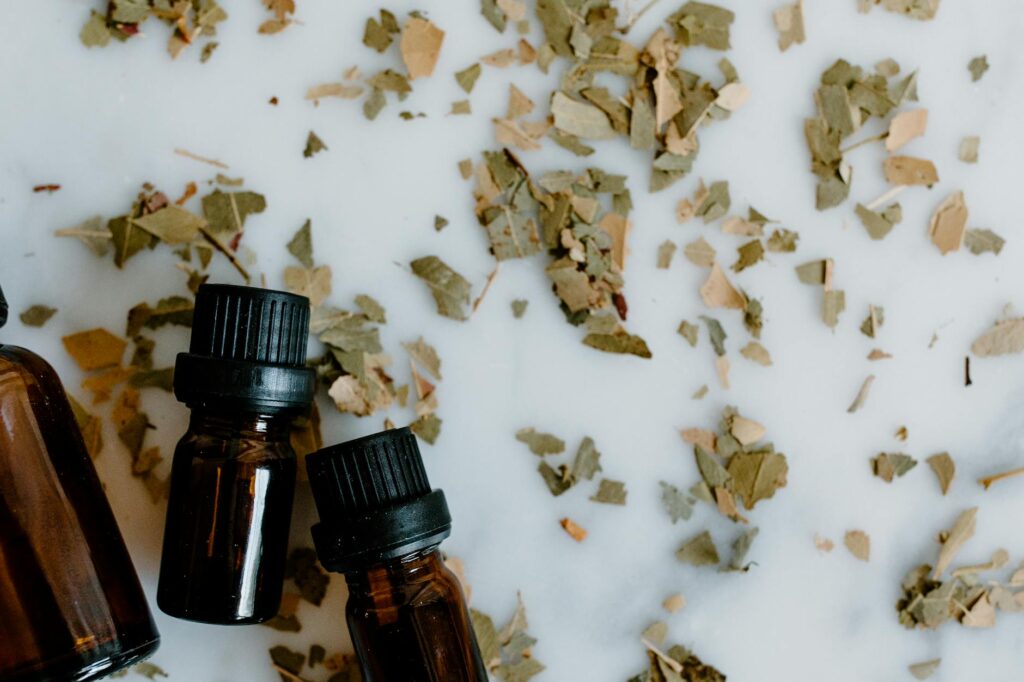
How to Use Aromatherapy Blends for Seasonal Transition Support
Introduction
As the seasons change, many individuals experience shifts in mood, energy levels, and overall well-being. These transitions, whether from winter to spring or summer to autumn, can impact our physical and emotional states. Aromatherapy, the use of essential oils to promote well-being, can be an effective tool for supporting these seasonal changes. This article explores how to use aromatherapy blends for seasonal transition support, detailing their properties, benefits, applications, and safety considerations.
What Is Aromatherapy Blends for Seasonal Transition Support?
Aromatherapy blends are combinations of essential oils specifically formulated to enhance well-being during times of seasonal change. These blends can address various aspects of health, from boosting immunity during colder months to uplifting spirits as days become longer and sunnier. Seasonal transitions often bring about unique challenges, and the right combination of essential oils can help individuals navigate these shifts with greater ease.
Key Benefits and Properties
Emotional Support
Aromatherapy has long been recognized for its ability to influence mood and emotional well-being. Certain essential oils possess properties that can uplift the spirit, promote relaxation, or reduce feelings of anxiety. For instance, citrus oils like sweet orange and lemon are known for their uplifting qualities, while woody oils like cedarwood and sandalwood can provide grounding and calming effects.
Physical Well-Being
Essential oils can also support physical health, particularly during seasonal changes when the body may be more susceptible to illness. Oils such as eucalyptus and tea tree are known for their cleansing properties, making them useful during times when respiratory health may be a concern. Additionally, blends containing oils like ginger and peppermint can aid digestion, which may be disrupted by dietary changes associated with seasonal shifts.
Immune Support
Seasonal transitions can challenge the immune system. Essential oils with antimicrobial properties, such as oregano and thyme, can be beneficial in promoting a healthy immune response. Blending these oils into a supportive formula may help bolster the body’s defenses during times when colds and flu are more prevalent.
Common Uses
Diffusion
One of the most popular methods of using aromatherapy blends is through diffusion. By adding a few drops of a seasonal blend to a diffuser, the essential oils are released into the air, allowing their properties to be inhaled and absorbed. This method can enhance mood, improve air quality, and create a calming environment.
Topical Application
Aromatherapy blends can also be applied topically when diluted with a carrier oil. This method allows the oils to penetrate the skin and provide localized support. Areas such as the wrists, temples, and the back of the neck are common application points, especially for blends intended to alleviate stress or fatigue.
Bathing
Incorporating essential oils into a warm bath is another effective way to experience their benefits. A blend can be added to bath water along with a carrier oil or an emulsifier to ensure even distribution. This method not only provides relaxation but also allows the oils to be absorbed through the skin.
Inhalation
Simply inhaling essential oils directly from the bottle or from a cotton pad can be an effective way to experience their benefits quickly. This method is particularly useful for on-the-go support or during moments when stress or fatigue may arise.
Aromatherapy Applications
When creating or using aromatherapy blends for seasonal transitions, consider the following applications based on common seasonal challenges:
Spring
As winter gives way to spring, many individuals feel a surge of energy but may also experience allergies. A blend of lavender, peppermint, and lemon can help uplift the mood while providing relief from allergy symptoms.
Summer
The heat of summer can lead to fatigue and irritability. Citrus oils such as bergamot and grapefruit can be invigorating, while calming oils like chamomile can help mitigate stress. A refreshing blend for summer might include grapefruit, basil, and chamomile.
Autumn
As days shorten and temperatures drop, many people may feel melancholic. A blend of warm and spicy oils, such as cinnamon, clove, and orange, can create a sense of comfort and promote emotional balance.
Winter
During the colder months, it is essential to focus on immune support and warmth. A blend of eucalyptus, tea tree, and frankincense can be effective for promoting respiratory health and creating a cozy atmosphere.
Safety Considerations
While aromatherapy can be beneficial, it is crucial to use essential oils safely. Here are some general safety considerations:
Dilution
Essential oils are highly concentrated and should be diluted with a carrier oil before topical application. A common dilution ratio is 1-2% for adults, which equates to approximately one to two drops of essential oil per teaspoon of carrier oil.
Skin Sensitivity
Before using a new blend, conduct a patch test by applying a small amount of diluted oil to a discreet area of skin. Wait 24 hours to check for any adverse reactions.
Pregnancy and Nursing
Pregnant or nursing individuals should consult with a healthcare provider before using essential oils, as some may not be safe during these times.
Children and Pets
Certain essential oils can be irritating or toxic to children and pets. Always ensure that the oils you choose are safe for the specific age group and species.
Storage and Shelf Life
Proper storage of essential oils is essential for maintaining their quality and potency. Follow these guidelines:
Storage Conditions
Store essential oils in a cool, dark place, away from direct sunlight and heat. Dark glass bottles are preferred for protecting the oils from light degradation.
Shelf Life
The shelf life of essential oils varies depending on the type. Citrus oils generally last about one to two years, while woody oils like cedarwood can last for several years. Always check for any changes in scent or consistency, indicating that the oil may have expired.
Frequently Asked Questions
Can I create my own aromatherapy blends?
Yes, creating your own blends can be a rewarding experience. Start by researching essential oils that correspond to your desired effects and experiment with small quantities to find a combination that resonates with you.
How often should I use aromatherapy blends for seasonal support?
The frequency of use can vary depending on individual preference and sensitivity. Many people find that using blends a few times a week, or even daily during transitional periods, can provide ongoing support.
Are there any essential oils that should be avoided during seasonal transitions?
Some essential oils may be more suitable than others depending on individual sensitivities or allergies. Always research specific oils and consult with professionals if you have concerns about certain oils.
Can I use aromatherapy blends in public spaces?
Using a personal inhaler or applying a small amount of diluted blend to pulse points can be discreet ways to enjoy aromatherapy while in public. However, avoid diffusing in shared spaces, as some individuals may have sensitivities or allergies to certain scents.
Is it safe to use essential oils with other medications?
While many individuals use essential oils alongside other health practices, it is advisable to consult with a healthcare provider to ensure that there are no contraindications with any medications you may be taking.
Conclusion
Aromatherapy blends can serve as a valuable resource for supporting well-being during seasonal transitions. By understanding the properties and benefits of various essential oils, individuals can create effective blends tailored to their needs. As with any holistic practice, it’s essential to approach aromatherapy with knowledge and caution, ensuring a safe and enjoyable experience. With the right tools and information, anyone can harness the power of essential oils to navigate the changing seasons with grace and vitality.