
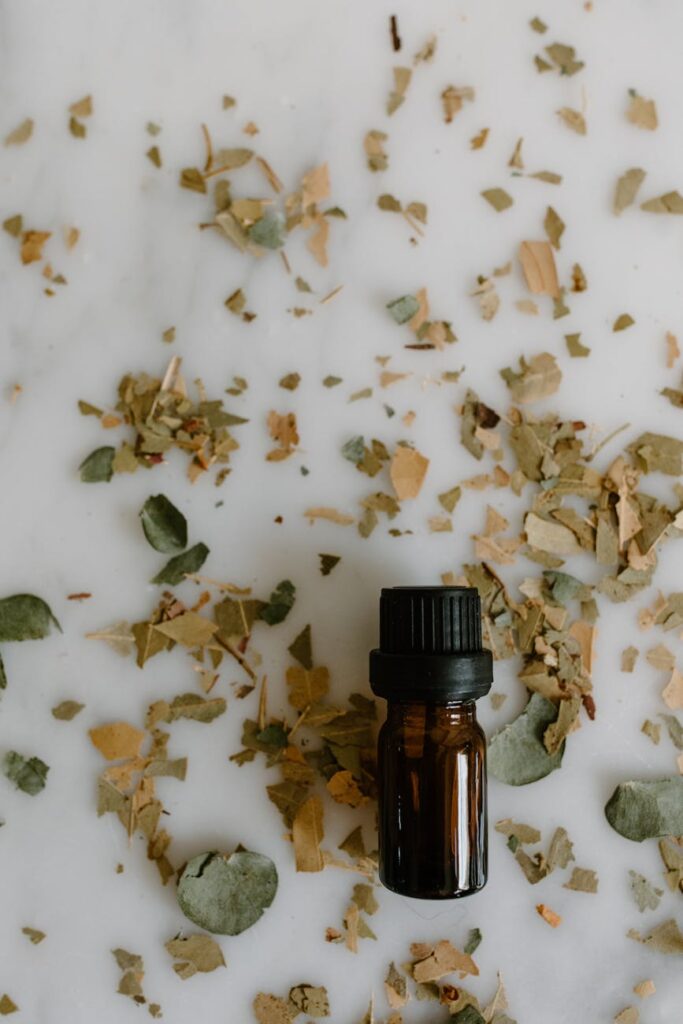
How to Use Aromatherapy Blends for Sinus Relief
Introduction
Aromatherapy, a holistic approach that utilizes the therapeutic properties of essential oils, has gained popularity for its potential benefits in promoting physical and emotional well-being. One area where aromatherapy has shown promise is in providing relief for sinus discomfort, which can arise from allergies, colds, or sinus infections. This article explores the use of aromatherapy blends specifically designed for sinus relief, examining their benefits, common applications, and safety considerations.
What Is Aromatherapy Blends for Sinus Relief?
Aromatherapy blends for sinus relief consist of a combination of essential oils that are believed to alleviate symptoms associated with sinus congestion, pressure, and discomfort. Essential oils are concentrated plant extracts that capture the natural aroma and therapeutic properties of the source material. When combined, these oils can work synergistically to promote relief from sinus-related issues.
Some commonly used essential oils in these blends include eucalyptus, peppermint, tea tree, and lavender. Each of these oils possesses unique properties that can help to clear nasal passages, reduce inflammation, and promote relaxation.
Key Benefits and Properties
1. Decongestant Properties: Essential oils such as eucalyptus and peppermint are known for their ability to act as natural decongestants. They can help to open the nasal passages and facilitate easier breathing.
2. Anti-inflammatory Effects: Many essential oils exhibit anti-inflammatory properties, which can help reduce swelling in the sinus cavities. Oils like tea tree and lavender can soothe inflammation and promote comfort.
3. Antimicrobial Action: Certain essential oils have antimicrobial properties that may help combat the bacteria or viruses contributing to sinus infections. Tea tree oil, for example, is renowned for its ability to inhibit the growth of various pathogens.
4. Relaxation and Stress Relief: Sinus discomfort can often lead to feelings of frustration and stress. Oils such as lavender and chamomile can promote relaxation and ease tension, contributing to overall well-being.
5. Enhanced Breathing: The invigorating scents of certain essential oils can stimulate the senses and enhance breathing, making them ideal for individuals experiencing sinus congestion.
Common Uses
Aromatherapy blends for sinus relief can be used in various ways, depending on individual preferences and circumstances. Some common uses include:
- Inhalation: Direct inhalation of essential oils can provide immediate relief from sinus discomfort. This can be done through steam inhalation or by simply placing a few drops of oil on a tissue or cotton ball.
- Diffusion: Using an essential oil diffuser allows the aroma to permeate the air in a room, creating a soothing environment that may help alleviate sinus pressure.
- Topical Application: Diluting essential oils in a carrier oil allows for safe topical application. Massaging the blend onto areas such as the chest, neck, or temples can promote localized relief.
- Baths: Adding essential oils to a warm bath can provide a relaxing experience while also allowing the oils to be inhaled through steam.
- Compresses: A warm or cool compress infused with essential oils can be applied to the sinuses to provide targeted relief.
- Cool, Dark Place: Store essential oils in a cool, dark location to protect them from heat and light, which can degrade their potency.
- Tightly Sealed: Ensure the bottles are tightly sealed to prevent exposure to air, which can also affect their quality.
- Shelf Life: The shelf life of essential oils varies by type. Generally, citrus oils may last 1-2 years, while heavier oils like sandalwood can last up to 5 years or more. Check individual oils for specific shelf-life information.
Aromatherapy Applications
Inhalation Techniques
1. Steam Inhalation: Boil water and transfer it to a bowl. Add a few drops of essential oil (such as eucalyptus or peppermint) to the water. Lean over the bowl, covering your head with a towel to trap the steam, and breathe deeply for several minutes.
2. Tissue Method: Place 1-2 drops of your chosen essential oil on a tissue or cotton ball and inhale deeply. This method is portable and can be done anywhere.
Diffusion
Using an essential oil diffuser can help disperse the aroma throughout a space. To use:
1. Fill the diffuser with water according to the manufacturer’s instructions.
2. Add 3-5 drops of your chosen essential oil blend.
3. Turn on the diffuser and allow the aroma to fill the room.
Topical Application
When applying essential oils topically, it is crucial to dilute them in a carrier oil to minimize skin irritation. A common dilution ratio is 3-5 drops of essential oil per tablespoon of carrier oil (such as coconut, jojoba, or almond oil).
1. Mix the essential oil with the carrier oil.
2. Apply to areas such as the chest, neck, and temples.
3. Gently massage the area for enhanced absorption.
Baths
For an aromatic bath:
1. Prepare a warm bath.
2. Mix 5-10 drops of essential oil with a carrier oil or an emulsifier (such as milk) to help disperse it in the water.
3. Add the mixture to the bath and soak for 15-30 minutes.
Compresses
To create a compress:
1. Soak a clean cloth in warm or cool water.
2. Add a few drops of essential oil to the cloth.
3. Apply the compress to the sinus area for targeted relief.
Safety Considerations
While essential oils can be beneficial, it is essential to use them safely:
1. Dilution: Always dilute essential oils before applying them to the skin to prevent irritation.
2. Patch Test: Conduct a patch test by applying a small amount of the diluted oil to a small area of skin to check for any adverse reactions.
3. Pregnancy and Nursing: If pregnant or nursing, consult with a healthcare professional before using essential oils.
4. Children and Pets: Some essential oils may not be safe for young children or pets. Always research and consult appropriate sources before use.
5. Quality: Use high-quality, pure essential oils from reputable sources to ensure safety and efficacy.
Storage and Shelf Life
Proper storage is crucial for maintaining the quality of essential oils. Follow these guidelines:
Frequently Asked Questions
Can aromatherapy blends cure sinus infections?
Aromatherapy blends may provide relief from symptoms associated with sinus discomfort, but they are not a cure for sinus infections. It is essential to consult a healthcare professional for persistent or severe symptoms.
How often can I use aromatherapy for sinus relief?
Frequency of use can vary based on individual preference and tolerance. Generally, inhalation or diffusion can be used multiple times a day, while topical applications should be limited to 2-3 times daily.
Are there any essential oils to avoid for sinus relief?
Avoid using essential oils that may irritate the skin or respiratory system, such as cinnamon or clove oil, especially in high concentrations. Always conduct thorough research or consult with a professional.
Is it safe to use essential oils around children?
Some essential oils are not recommended for young children. Always research specific oils and consult with a healthcare professional before use.
Can I mix different essential oils for sinus relief?
Yes, blending essential oils can enhance their therapeutic properties. However, it is essential to ensure that the oils being combined are safe and complementary.
Conclusion
Aromatherapy blends for sinus relief can offer a natural and holistic approach to alleviating discomfort associated with sinus congestion. By understanding the properties and applications of various essential oils, individuals can create effective blends tailored to their needs. While aromatherapy can be a beneficial adjunct to wellness, it is vital to prioritize safety, storage, and informed use to maximize the potential benefits of these fragrant plant extracts.