
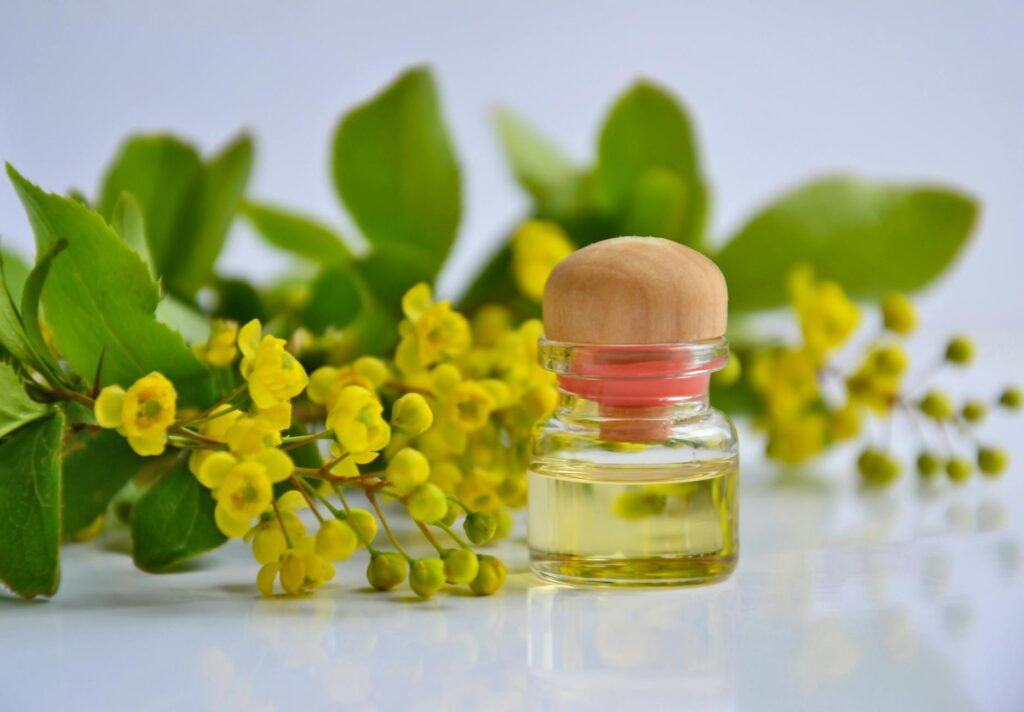
How to Use Aromatherapy Blends for Skin Aging
Introduction
As individuals navigate the journey of aging, many seek natural remedies to maintain youthful skin. Aromatherapy, utilizing the therapeutic properties of essential oils, offers a holistic approach to skincare. This article explores how aromatherapy blends can be employed to address skin aging, highlighting their benefits, common uses, and safety considerations.
What Is Aromatherapy Blends for Skin Aging?
Aromatherapy is an ancient practice that harnesses the aromatic properties of essential oils extracted from plants. When blended thoughtfully, these oils can create synergistic effects that promote skin health and rejuvenation. Aromatherapy blends for skin aging often incorporate essential oils known for their anti-aging properties, including those that improve skin elasticity, hydration, and overall appearance.
Key Benefits and Properties
The essential oils commonly used in aromatherapy blends for skin aging are renowned for several beneficial properties:
1. Antioxidant Properties
Many essential oils are rich in antioxidants, which help combat free radicals that contribute to skin aging. Oils such as frankincense and pomegranate seed oil are noted for their ability to protect the skin from oxidative stress.
2. Anti-inflammatory Effects
Inflammation can accelerate skin aging, leading to conditions such as redness, puffiness, and loss of elasticity. Essential oils like chamomile and lavender possess anti-inflammatory properties that can soothe the skin and reduce irritation.
3. Hydration and Moisture Retention
Essential oils like rose and geranium help lock in moisture and maintain skin hydration, which is vital for reducing the appearance of fine lines and wrinkles.
4. Regeneration and Healing
Certain oils, such as helichrysum and tea tree, are known for their regenerative properties, promoting skin cell renewal and healing. These oils can help improve the texture of aging skin.
5. Toning and Firming
Essential oils like rosemary and myrrh can help tone and firm the skin, contributing to a more youthful appearance. They can enhance blood circulation, which is essential for delivering nutrients to skin cells.
Common Uses
Aromatherapy blends for skin aging can be utilized in various ways, each tailored to individual preferences and skin types. Here are some common applications:
1. Facial Oils
Aromatic facial oils can be formulated by blending essential oils with carrier oils such as jojoba, sweet almond, or argan oil. These oils can be massaged into the skin, allowing for deep absorption and nourishment.
2. Serums
Concentrated serums containing essential oils can be applied directly to areas of concern, such as fine lines or dry patches. These serums often combine essential oils with hydrating ingredients like hyaluronic acid.
3. Moisturizers
Incorporating essential oils into creams or lotions can enhance their moisturizing effects. Using a blend designed for skin aging can provide additional benefits beyond basic hydration.
4. Bath Oils
Aromatherapy bath blends can create a relaxing experience while benefiting the skin. Adding essential oils to bathwater can help hydrate and rejuvenate the skin while also providing an aromatic atmosphere.
5. Inhalation
While not directly applied to the skin, inhaling the aromas of essential oils can promote relaxation and reduce stress, indirectly benefiting skin health. Stress is a known factor in skin aging.
Aromatherapy Applications
To effectively use aromatherapy blends for skin aging, consider the following methods of application:
1. Dilution and Blending
Essential oils should always be diluted with a carrier oil before application to avoid skin irritation. A common dilution ratio is 1-2% for facial applications (e.g., 1-2 drops of essential oil per 1 teaspoon of carrier oil).
2. Patch Testing
Before using a new blend, conduct a patch test on a small area of skin. This helps to ensure there are no adverse reactions.
3. Massage Techniques
Incorporating gentle massage techniques while applying facial oils or serums can enhance circulation and promote absorption. Use upward strokes to lift and firm the skin.
4. Diffusion
Using a diffuser to disperse essential oils into the air can create a calming environment. While this may not directly affect the skin, the overall relaxation can contribute to skin health.
5. Steam Treatments
Adding essential oils to steam treatments can open pores and facilitate oil absorption. This method can enhance the effectiveness of facial oils or masks.
Safety Considerations
While aromatherapy is generally safe, some precautions should be observed:
1. Quality of Essential Oils
Always select high-quality, pure essential oils from reputable sources. Synthetic or adulterated oils may not provide the desired benefits and can cause skin irritation.
2. Skin Sensitivity
Individuals with sensitive skin should exercise caution. It is advisable to consult with a qualified aromatherapist or skincare specialist for personalized guidance.
3. Pregnancy and Health Conditions
Certain essential oils may not be suitable during pregnancy or for individuals with specific health conditions. Always consult with a healthcare professional if in doubt.
4. Avoiding Sun Exposure
Some essential oils, particularly citrus oils, can increase photosensitivity. Avoid sun exposure after applying these oils to the skin.
Storage and Shelf Life
Proper storage is essential for maintaining the potency and longevity of essential oils. Follow these guidelines:
1. Dark Glass Containers
Store essential oils in dark glass containers to protect them from light, which can degrade their quality.
2. Cool Environment
Keep essential oils in a cool, dry place, away from heat sources. Extreme temperatures can alter their chemical composition.
3. Shelf Life
Most essential oils have a shelf life of 1-3 years, depending on the oil. Regularly check for changes in color, smell, or viscosity, which may indicate they have gone rancid.
Frequently Asked Questions
1. Can essential oils replace my regular skincare products?
While essential oils can enhance your skincare routine, they should be used as a complementary addition rather than a complete replacement for traditional products.
2. How often should I apply aromatherapy blends for skin aging?
Frequency of application can vary based on individual skin type and needs. Generally, using aromatherapy blends once or twice a day can yield positive results.
3. Are there specific essential oils to avoid for aging skin?
While many oils are beneficial, certain oils may irritate sensitive skin. It is advisable to avoid oils known for their strong astringent properties, such as peppermint or eucalyptus, unless diluted properly.
4. Is aromatherapy suitable for all skin types?
Most skin types can benefit from aromatherapy, but individuals with sensitive or allergic skin should carefully choose oils and perform patch tests.
5. Can I create my own blends?
Absolutely! Experimenting with different essential oils can lead to personalized blends that suit your specific skin needs. However, it’s essential to research the properties and contraindications of each oil.
—
In conclusion, aromatherapy blends offer a natural and holistic approach to addressing skin aging. By understanding the properties and applications of various essential oils, individuals can incorporate these blends into their skincare routine, promoting not only a youthful appearance but also overall skin health. Always approach with mindfulness and care, ensuring that each blend is tailored to one’s individual needs.