
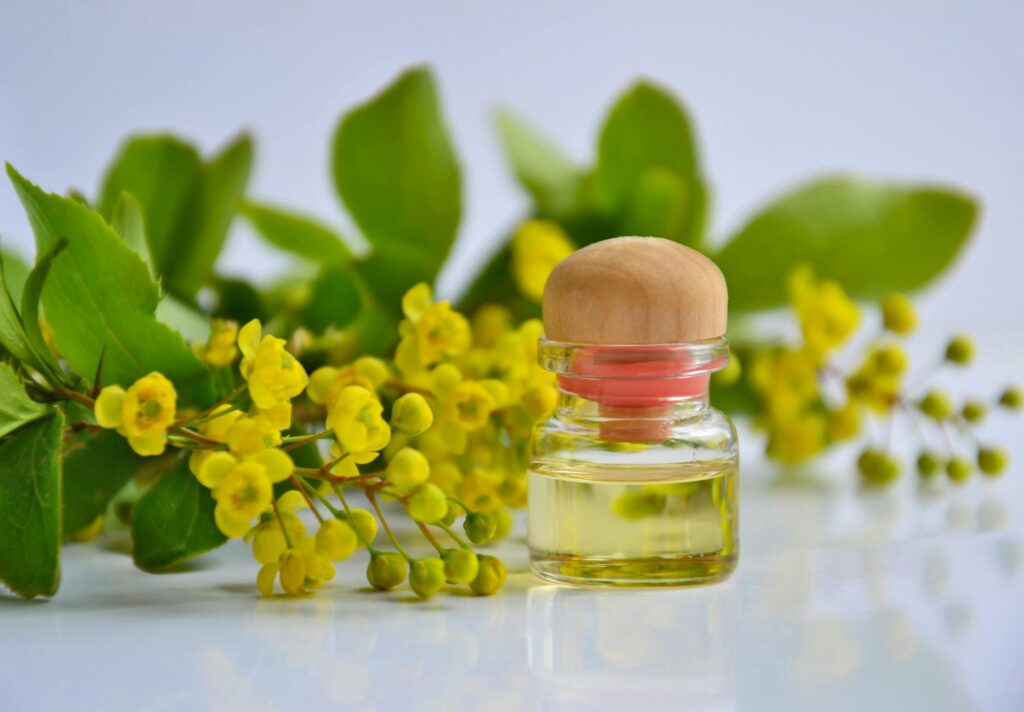
How to Use Aromatherapy Blends for Skin Nourishment
Introduction
Aromatherapy blends have gained prominence in the realm of holistic wellness, particularly in the context of skin nourishment. These blends, which combine essential oils with carrier oils, can offer a range of benefits for the skin, from hydration to rejuvenation. This article explores the fundamentals of using aromatherapy blends for skin nourishment, providing insights into their properties, applications, and safety considerations.
What Is Aromatherapy Blends for Skin Nourishment?
Aromatherapy blends consist of a combination of essential oils—concentrated plant extracts known for their aromatic and therapeutic properties—diluted in carrier oils, which serve as a base. The carrier oils, often derived from seeds, nuts, or fruits, not only help dilute the essential oils for safe topical application but also contribute beneficial nutrients for the skin.
These blends are crafted to support skin health, addressing various concerns such as dryness, aging, and inflammation. The specific combination of essential oils can be tailored to target individual skin types and needs, making aromatherapy a versatile approach to skincare.
Key Benefits and Properties
Aromatherapy blends for skin nourishment are lauded for their numerous benefits, which include:
1. Hydration and Moisture Retention
Many essential oils, such as lavender and sandalwood, possess hydrating properties that help lock in moisture, keeping the skin supple and smooth.
2. Anti-Aging Effects
Certain oils, including frankincense and myrrh, are known for their ability to promote cell regeneration and improve skin elasticity, which can reduce the appearance of fine lines and wrinkles.
3. Soothing and Calming
Essential oils like chamomile and geranium have anti-inflammatory properties that can soothe irritated or sensitive skin, reducing redness and discomfort.
4. Antibacterial and Antifungal Properties
Some essential oils, such as tea tree and eucalyptus, exhibit antimicrobial effects, which can help prevent breakouts and maintain skin clarity.
5. Balancing Oily Skin
Oils like juniper berry and lemongrass can help balance sebum production, making them effective for oily or acne-prone skin.
6. Enhanced Circulation
Certain oils, such as rosemary and ginger, can stimulate blood flow, promoting a healthy glow and revitalizing the complexion.
Common Uses
Aromatherapy blends can be used in various ways to nourish the skin. Here are some common applications:
1. Facial Oils
Custom blends can be formulated specifically for facial application, targeting concerns such as dryness, aging, or acne.
2. Body Moisturizers
Aromatherapy blends can be added to body lotions or used as standalone moisturizers to hydrate and nourish the skin.
3. Massage Oils
Incorporating aromatherapy blends into massage oils can provide both relaxation and skin benefits, enhancing the overall experience.
4. Bath Additives
Adding a few drops of aromatherapy blends to bathwater can create a soothing soak that nourishes the skin while promoting relaxation.
5. Foot Soaks
Aromatherapy blends can be used in foot baths to soothe tired feet and nourish the skin on the feet.
Aromatherapy Applications
There are several methods for applying aromatherapy blends to the skin:
1. Dilution with Carrier Oils
Essential oils should always be diluted with a carrier oil prior to application. Common carrier oils include jojoba, sweet almond, and coconut oil. A typical dilution ratio is 1-2 drops of essential oil per teaspoon of carrier oil.
2. Patch Testing
Before using a new blend, perform a patch test on a small area of skin to ensure there is no adverse reaction. Wait 24 hours to confirm that no irritation occurs.
3. Inhalation
While inhalation does not apply directly to skin nourishment, many essential oils can enhance the overall experience of using aromatherapy blends. Deep inhalation can create a calming ambiance that complements the topical application.
4. Facial Steams
Adding a few drops of essential oil to steaming water can help deliver their benefits to the skin while also opening pores and promoting circulation.
5. DIY Products
Creating your own skincare products using essential oils and carrier oils allows for personalized formulations tailored to specific skin types and concerns.
Safety Considerations
Although aromatherapy blends are generally considered safe for topical use, it is essential to keep the following safety considerations in mind:
1. Essential Oil Quality
Always use high-quality essential oils from reputable sources. Look for oils that are 100% pure and free from synthetic additives.
2. Skin Sensitivity
Some individuals may experience sensitivity to certain essential oils. It is crucial to know your skin type and potential allergies before using any new products.
3. Contraindications
Certain essential oils may not be suitable for individuals with specific health conditions or during pregnancy. It is advisable to consult with a knowledgeable aromatherapist or skincare expert.
4. Avoiding Sensitive Areas
Do not apply essential oils near the eyes, mouth, or any mucous membranes. Always avoid broken or irritated skin.
5. Sun Sensitivity
Some essential oils, particularly citrus oils like bergamot and lemon, can increase photosensitivity. If using these oils, avoid sun exposure for a minimum of 12 hours after application.
Storage and Shelf Life
Proper storage of aromatherapy blends is essential to maintain their efficacy and safety. Here are some guidelines:
1. Containers
Store blends in dark glass bottles to protect them from light, which can degrade essential oils over time. Amber or cobalt blue bottles are ideal choices.
2. Temperature
Keep blends in a cool, dry place away from direct sunlight and heat sources. High temperatures can alter the chemical composition of essential oils.
3. Shelf Life
The shelf life of aromatherapy blends can vary based on the essential oils used. Generally, most blends can last anywhere from six months to two years. Regularly check for any changes in smell, color, or consistency, which may indicate that the blend has expired.
Frequently Asked Questions
1. Can I use aromatherapy blends on sensitive skin?
It is essential to perform a patch test before using any new blend on sensitive skin. Opt for gentle essential oils known for their calming properties, such as chamomile or lavender.
2. How often should I use aromatherapy blends for skin nourishment?
Frequency of use depends on individual skin types and concerns. Generally, using a blend once or twice daily can be beneficial, but it is always advisable to monitor your skin’s response.
3. Are there any essential oils to avoid?
Certain oils may be more irritating or sensitizing, particularly citrus oils. Always research essential oils and consult with a knowledgeable source if unsure.
4. Can I mix different essential oils?
Yes, combining essential oils can create synergistic effects. However, ensure that the oils chosen complement each other and are safe for skin application.
5. Should I use aromatherapy blends for acne-prone skin?
Certain essential oils, such as tea tree and lavender, are known for their antibacterial properties and can be beneficial for acne-prone skin. However, always consult with a skincare professional to determine the best approach.
Conclusion
Harnessing the power of aromatherapy blends for skin nourishment offers a holistic approach to skincare. By understanding the properties and applications of different essential oils, individuals can create personalized blends tailored to their specific skin needs. With careful consideration of safety and storage, aromatherapy can be a valuable addition to any skincare regimen, promoting both health and well-being.