
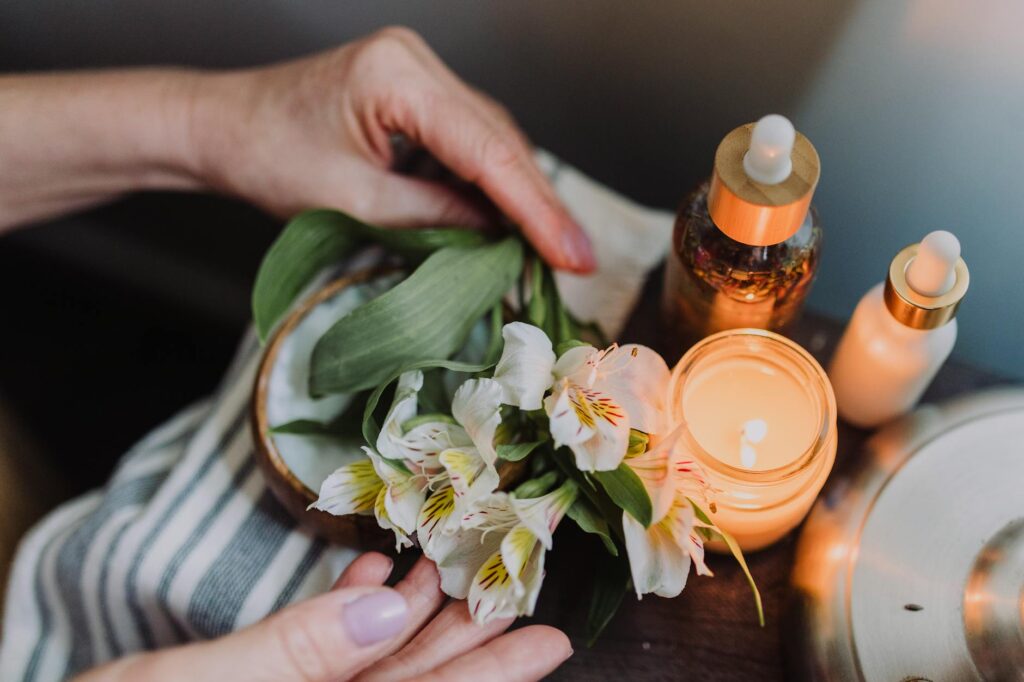
How to Use Aromatherapy Blends for Skin Rejuvenation
Introduction
Aromatherapy, the practice of using essential oils derived from plants to promote physical and emotional well-being, has gained popularity in recent years. Among its myriad applications, skin rejuvenation stands out as a significant area of interest. The use of aromatherapy blends for skincare is an ancient practice that has been embraced by modern wellness enthusiasts. This article explores how these blends can enhance skin vitality, their benefits, common applications, and important safety considerations.
What Is Aromatherapy Blends for Skin Rejuvenation?
Aromatherapy blends for skin rejuvenation consist of carefully selected essential oils that target various skin concerns, such as aging, dryness, and blemishes. These blends are formulated to harness the natural properties of essential oils, which can enhance skin texture, promote hydration, and improve overall skin health.
Essential oils are concentrated extracts from plants, encompassing their fragrant compounds. When combined in specific ratios, these oils create synergistic effects, amplifying their individual benefits for skin rejuvenation. Common essential oils used in these blends include lavender, tea tree, geranium, and frankincense, each known for its unique properties.
Key Benefits and Properties
The benefits of aromatherapy blends for skin rejuvenation can be categorized into several key properties:
1. Antioxidant Effects
Many essential oils contain antioxidants, which help combat free radicals that contribute to skin aging. Oils like frankincense and pomegranate seed oil are rich in antioxidants, promoting a youthful appearance.
2. Anti-Inflammatory Properties
Essential oils such as chamomile and tea tree exhibit anti-inflammatory properties, making them effective in soothing irritated skin and reducing redness and swelling.
3. Hydration and Moisture Retention
Certain oils, like rose and jojoba, are known for their hydrating properties. They help lock in moisture and maintain skin elasticity, which is crucial for a healthy complexion.
4. Antimicrobial Benefits
Essential oils can help combat bacteria and fungi, making them useful for treating acne and other skin conditions. For example, tea tree oil is renowned for its effectiveness against acne-causing bacteria.
5. Skin Regeneration
Some oils promote cell turnover and regeneration, aiding in the healing of scars and uneven skin tones. Oils like neroli and helichrysum are often used for their rejuvenating effects.
Common Uses
Aromatherapy blends for skin rejuvenation can be utilized in various ways, such as:
- Facial Oils: Blending essential oils with carrier oils to create nourishing facial oils that can be massaged into the skin.
- Creams and Lotions: Incorporating essential oils into creams and lotions for daily hydration and skin treatment.
- Baths: Adding essential oils to bathwater for a relaxing and rejuvenating experience.
- Compresses: Using diluted essential oils in warm water as a compress for targeted treatment of specific areas.
- Diffusion: Although not directly applied to the skin, diffusing certain oils can enhance mood and create a calming atmosphere conducive to skincare routines.
- 2 tablespoons of jojoba oil (carrier oil)
- 3 drops of lavender essential oil
- 2 drops of frankincense essential oil
- 2 drops of geranium essential oil
- 1 tablespoon of honey
- 2 drops of tea tree oil
- 1 drop of lavender oil
- 5 drops of ylang-ylang essential oil
- 5 drops of rose essential oil
- 2 tablespoons of carrier oil (e.g., coconut or almond oil)
- Dark Glass Containers: Store oils in dark glass bottles to protect them from light, which can degrade their quality.
- Cool, Dry Place: Keep oils in a cool, dry place, away from direct sunlight and heat sources.
- Shelf Life: Most essential oils have a shelf life of 1-3 years, depending on the oil. Check for changes in scent or consistency to determine if an oil has gone bad.
Aromatherapy Applications
1. DIY Facial Oil Recipe
A simple recipe for a rejuvenating facial oil includes:
Instructions: Mix the oils in a glass bottle. Apply a few drops to clean skin and massage gently. This blend can help nourish and rejuvenate the complexion.
2. Rejuvenating Face Mask
A face mask can be created using:
Instructions: Mix the ingredients and apply to the face. Leave on for 15-20 minutes before rinsing off. This mask can help soothe and cleanse the skin.
3. Aromatherapy Bath
For a rejuvenating bath, combine:
Instructions: Add the oils to warm bathwater, mix well, and soak for a relaxing experience that hydrates the skin.
Safety Considerations
While essential oils are natural, they are also potent and should be used with caution. Here are some important safety considerations:
1. Dilution
Always dilute essential oils in a carrier oil before applying them to the skin. A general rule of thumb is to use a 2% dilution for facial applications (around 12 drops of essential oil per ounce of carrier oil).
2. Patch Testing
Before using a new blend, conduct a patch test on a small area of skin to check for allergic reactions. If irritation occurs, discontinue use immediately.
3. Individual Sensitivities
Individual responses to essential oils can vary. Consult with a knowledgeable professional if you have specific skin concerns or conditions.
4. Avoid Sensitive Areas
Keep essential oils away from sensitive areas, including the eyes and mucous membranes.
5. Pregnancy and Children
Certain essential oils may not be safe for pregnant women or young children. Always check for safe options if you fall into these categories.
Storage and Shelf Life
To ensure the longevity and efficacy of essential oils, proper storage is essential:
Frequently Asked Questions
1. Can aromatherapy blends replace traditional skincare products?
While aromatherapy blends can complement skincare routines, they should not entirely replace traditional products. They can enhance and support skin health but may not provide all the necessary elements needed for comprehensive skincare.
2. How often should I use aromatherapy blends for skin rejuvenation?
The frequency of use depends on individual skin types and the specific oils used. Generally, using a facial oil once or twice daily is common, while masks can be applied weekly.
3. Are there any essential oils that should be avoided for sensitive skin?
Yes, oils such as cinnamon, clove, and peppermint can be irritating to sensitive skin. It is advisable to research and test oils before incorporating them into your routine.
4. Can I mix different essential oils for skin rejuvenation?
Absolutely! Many essential oils can be blended to create synergistic effects. However, always research the properties of each oil to ensure they complement one another.
5. What is the best carrier oil for facial blends?
Common carrier oils for facial blends include jojoba oil, sweet almond oil, and rosehip seed oil. Choose an oil that suits your skin type for optimal results.
Conclusion
Aromatherapy blends for skin rejuvenation offer a natural and holistic approach to skincare. By understanding the properties of various essential oils and considering safety guidelines, individuals can create personalized blends that enhance skin health and vitality. Whether incorporated into daily routines or used for occasional treatments, these blends can play a significant role in achieving radiant and youthful skin. Always remember to approach aromatherapy with mindfulness and respect for the potency of nature’s offerings.