
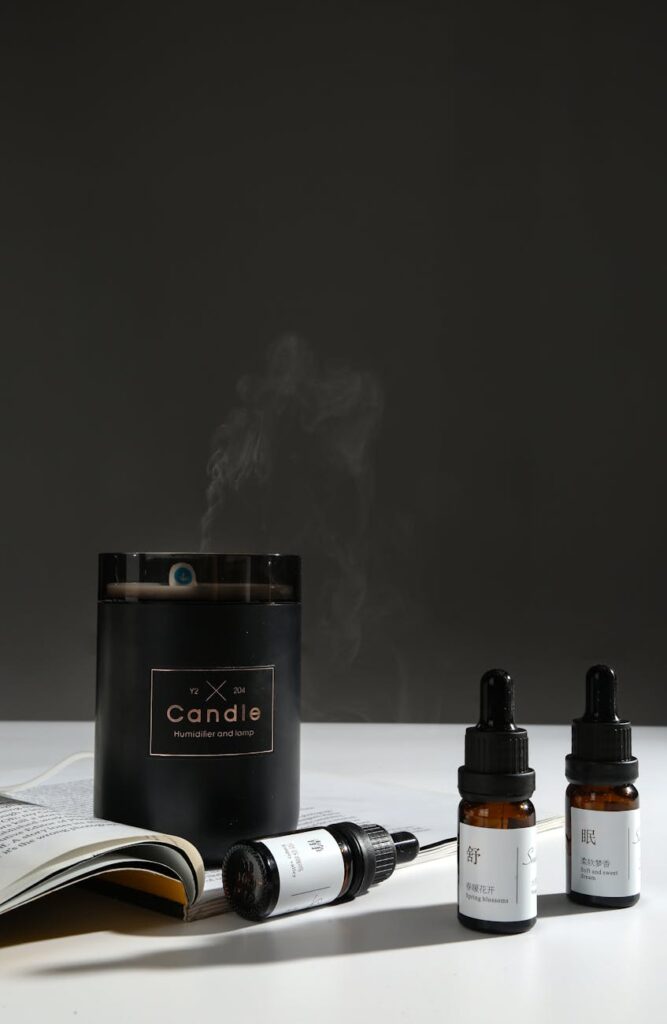
How to Use Aromatherapy Blends for Sleep Aid
Introduction
In today’s fast-paced world, many individuals struggle with sleep-related issues, impacting overall well-being and quality of life. Aromatherapy, a holistic practice involving the use of essential oils derived from plants, has gained popularity as a natural method to promote relaxation and enhance sleep quality. This article explores how aromatherapy blends can be used effectively for sleep aid, detailing the specific oils that are beneficial, their properties, and various applications.
What Is Aromatherapy Blends for Sleep Aid?
Aromatherapy blends for sleep aid consist of carefully combined essential oils that work synergistically to promote relaxation, reduce anxiety, and induce a restful state conducive to sleep. Essential oils are concentrated plant extracts, each with unique aromatic profiles and therapeutic properties. When used in specific combinations, these oils can enhance each other’s effects, making them more effective than when used individually.
Common essential oils in sleep aid blends include lavender, chamomile, bergamot, and sandalwood, among others. Each of these oils possesses calming properties that can help ease the mind and body.
Key Benefits and Properties
Aromatherapy blends for sleep aid offer several benefits:
1. Relaxation
Essential oils like lavender and chamomile are renowned for their ability to calm the nervous system, promoting relaxation and reducing feelings of stress and anxiety.
2. Improved Sleep Quality
Studies suggest that certain essential oils can help improve the depth and quality of sleep, leading to more restorative rest.
3. Easing Insomnia Symptoms
Regular use of sleep-related aromatherapy blends may help alleviate symptoms of insomnia, making it easier to fall asleep and stay asleep throughout the night.
4. Mood Enhancement
Certain oils, such as bergamot, can uplift mood and reduce feelings of sadness, which can often accompany sleep disturbances.
5. Non-Invasive and Natural
Aromatherapy blends provide a non-invasive alternative to pharmaceutical sleep aids, making them accessible to a variety of individuals seeking natural remedies.
Common Uses
Aromatherapy blends for sleep aid can be employed in various ways, including:
1. Diffusion
Using an essential oil diffuser is one of the most popular methods. The diffuser disperses the aroma of the oils throughout the room, creating a calming atmosphere conducive to sleep.
2. Topical Application
Blending essential oils with a carrier oil (such as coconut or jojoba oil) allows for safe topical application. This method can be particularly effective when applied to pulse points or massaged into the skin before bedtime.
3. Bath Soaks
Adding a few drops of sleep-promoting essential oils to a warm bath can enhance relaxation and prepare the body for sleep.
4. Sleep Masks and Pillows
Incorporating essential oils into sleep masks or pillow sprays can provide a direct and consistent source of calming aromas throughout the night.
5. Aromatherapy Inhalers
Portable inhalers filled with essential oils offer a convenient option for on-the-go relaxation, allowing individuals to inhale calming scents when they feel anxious or restless.
Aromatherapy Applications
To create an effective sleep aid blend, consider the following popular combinations:
1. Lavender and Chamomile
This classic combination harnesses the calming effects of both oils, making it ideal for promoting relaxation.
2. Bergamot and Ylang-Ylang
Bergamot has uplifting properties, while ylang-ylang is known for its calming effects, creating a balanced blend that helps ease anxiety.
3. Sandalwood and Cedarwood
These woody scents promote grounding and relaxation, making them suitable for a peaceful sleep environment.
4. Frankincense and Lavender
This blend combines the soothing qualities of lavender with the meditative properties of frankincense, perfect for creating a serene atmosphere before bedtime.
5. Sweet Orange and Neroli
Citrus oils like sweet orange can uplift mood while neroli adds a calming effect, making this blend both refreshing and soothing.
Preparation of Blends
When preparing your blends, adhere to the following guidelines:
- Dilution: Essential oils should be diluted in a carrier oil (1-3% concentration) for topical use to prevent skin irritation.
- Mixing: Use a glass dropper or pipette for precise measurements, and blend oils in a dark glass bottle to protect them from light.
- Testing: Conduct a patch test before applying any new blend to the skin to check for potential allergic reactions.
Safety Considerations
While aromatherapy is generally safe for most individuals, certain precautions should be taken:
1. Allergies and Sensitivities
Conduct a patch test before using new essential oils, especially for those with sensitive skin or allergies.
2. Pregnancy and Nursing
Certain essential oils may not be safe during pregnancy or breastfeeding. Consult a healthcare professional before use.
3. Children and Pets
Some essential oils can be harmful to children and pets. Always research the safety of oils before use around them.
4. Quality of Essential Oils
Choose high-quality, pure essential oils from reputable sources. Adulterated or synthetic oils may not provide the desired effects and could pose health risks.
5. Avoiding Ingestion
Essential oils should not be ingested unless specifically directed by a qualified professional.
Storage and Shelf Life
Proper storage of essential oils is vital for maintaining their efficacy:
1. Containers
Store essential oils in dark glass bottles to protect them from light, which can degrade their quality.
2. Temperature
Keep oils in a cool, dry place, away from direct sunlight and heat sources.
3. Shelf Life
While most essential oils have a shelf life of 1-3 years, citrus oils tend to have shorter shelf lives. Always check for changes in aroma or consistency before use.
Frequently Asked Questions
1. How long does it take for aromatherapy to work?
The effects of aromatherapy can vary from person to person. Some individuals may feel immediate relaxation, while others might require consistent use over time to experience significant benefits.
2. Can I mix my own oils?
Yes, creating your own blends can be an enjoyable and personalized experience. However, always research the properties of the oils you intend to mix and ensure proper dilution.
3. How many drops of essential oil should I use in a diffuser?
Typically, 3-10 drops of essential oil are recommended, depending on the size of your diffuser and personal preference. Start with fewer drops and increase as needed.
4. Are there any side effects of aromatherapy?
While generally safe, some individuals may experience headaches, nausea, or allergic reactions. If you encounter any adverse effects, discontinue use and consult a professional.
5. Can I use aromatherapy for sleep every night?
Many people find regular use of aromatherapy beneficial for sleep without adverse effects. However, it’s important to listen to your body and adjust as needed.
Conclusion
Aromatherapy blends for sleep aid offer a natural, holistic approach to improving sleep quality and promoting relaxation. By understanding the properties of various essential oils and applying them safely, individuals can create effective blends tailored to their specific needs. As you explore the world of aromatherapy, remember that personal preference plays a crucial role, and it may take time to find the perfect blend that works for you. Embrace the journey towards better sleep and well-being through the soothing power of nature.