
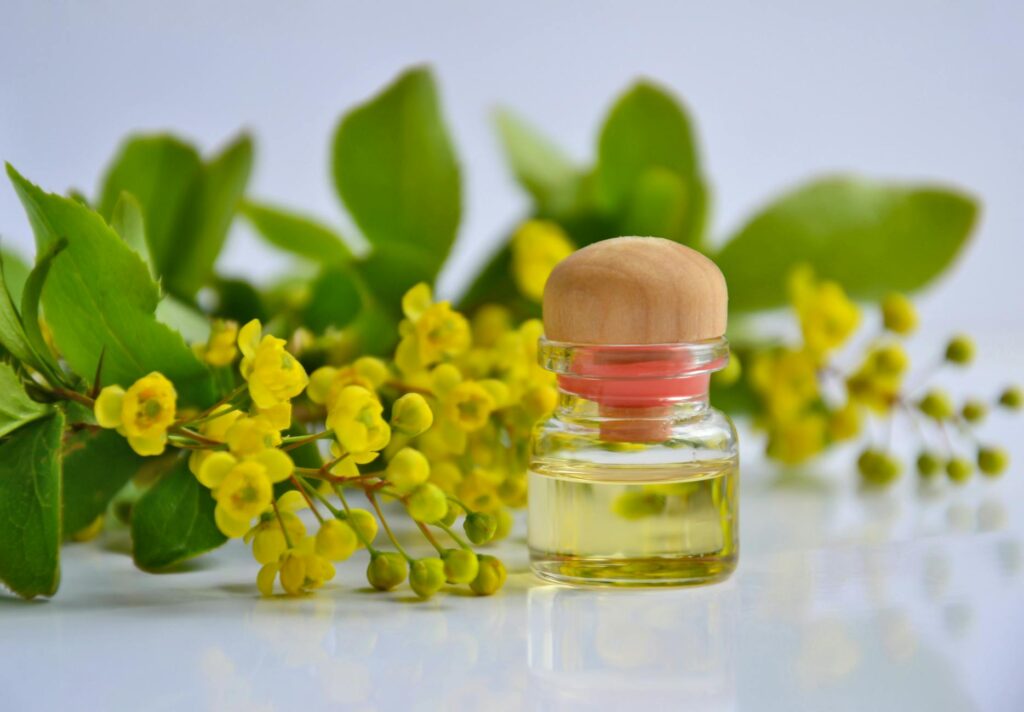
How to Use Aromatherapy Blends for Sleep Disorders
Introduction
Sleep disorders affect millions of people worldwide, leading to a myriad of health issues, including fatigue, anxiety, and decreased cognitive function. As individuals seek holistic and natural remedies, aromatherapy has emerged as a popular method for promoting relaxation and improving sleep quality. This article explores the use of aromatherapy blends specifically designed for sleep disorders, providing insights into their properties, applications, and safety considerations.
What Are Aromatherapy Blends for Sleep Disorders?
Aromatherapy involves the use of essential oils extracted from plants to enhance physical and emotional well-being. Aromatherapy blends for sleep disorders typically consist of a combination of essential oils known for their calming and sedative properties. These blends aim to create an environment conducive to relaxation, making it easier for individuals to fall asleep and stay asleep.
Common essential oils used in sleep blends include lavender, chamomile, bergamot, and sandalwood. Each oil carries unique properties that contribute to the overall efficacy of the blend. The combination of these oils can enhance their individual effects, providing a synergistic approach to improving sleep quality.
Key Benefits and Properties
The benefits of using aromatherapy blends for sleep disorders are numerous and can include:
1. Promoting Relaxation: Many essential oils have calming effects that can reduce stress and anxiety. For instance, lavender oil is well-known for its ability to soothe the nervous system.
2. Improving Sleep Quality: Certain oils can help extend the duration of deep sleep, enhancing overall sleep quality. Oils like vetiver and marjoram are often included in sleep blends for their sedative properties.
3. Regulating Sleep Cycles: Aromatherapy may aid in normalizing the sleep-wake cycle, particularly for those with irregular sleeping patterns.
4. Creating a Calming Environment: The use of aromatherapy can create a tranquil atmosphere in the bedroom, making it easier to unwind and prepare for sleep.
5. Reducing Nighttime Awakenings: Certain blends may help minimize interruptions during sleep, allowing for a more restorative experience.
Common Uses
Aromatherapy blends for sleep disorders can be utilized in various ways to maximize their effects. Here are some common applications:
1. Diffusion: Using an essential oil diffuser is one of the most popular methods for dispersing the aroma throughout a room. This method allows the essential oils to be inhaled, promoting relaxation and calmness.
2. Topical Application: When diluted with carrier oils, aromatherapy blends can be applied to pulse points such as the wrists, neck, or temples. This method allows for direct absorption into the skin and provides localized benefits.
3. Bathing: Adding a few drops of a sleep blend to a warm bath can create a soothing environment that encourages relaxation. The steam from the water also helps disperse the essential oils.
4. Inhalation: Direct inhalation of essential oils from the bottle or a cotton ball can provide immediate calming effects. This technique is effective for quick relief from anxiety or stress.
5. Pillow Sprays: Creating a pillow spray with a sleep blend can be an effective way to enjoy the benefits of aromatherapy as one drifts off to sleep.
Aromatherapy Applications
Creating Your Own Sleep Blend
1. Lavender and Chamomile Blend: Combine 5 drops of lavender essential oil and 3 drops of chamomile essential oil with a tablespoon of a carrier oil (such as sweet almond oil) for a soothing topical application.
2. Bergamot and Vetiver Diffuser Blend: Mix 4 drops of bergamot oil with 2 drops of vetiver oil in a diffuser for a calming atmosphere.
3. Sandalwood and Ylang Ylang Bath Blend: Add 4 drops of sandalwood essential oil and 3 drops of ylang ylang to a warm bath for a relaxing soak.
Pre-Made Blends
Many companies offer pre-made aromatherapy blends specifically for sleep. These products often contain tested combinations of essential oils designed to promote restfulness. When purchasing pre-made blends, ensure they are from reputable manufacturers that provide information on the quality and sourcing of their ingredients.
Safety Considerations
While aromatherapy is generally considered safe, there are essential safety guidelines to follow:
1. Dilution: Always dilute essential oils with a carrier oil before applying them to the skin. Undiluted oils can cause skin irritation or allergic reactions.
2. Patch Test: Before using a new oil blend, perform a patch test by applying a small amount to a discreet area of skin to check for any adverse reactions.
3. Consultation: If pregnant, nursing, or suffering from chronic health conditions, consult with a healthcare professional before using essential oils.
4. Quality Assurance: Use only high-quality, pure essential oils from reputable sources. Synthetic or adulterated oils may not provide the desired effects and can pose health risks.
5. Avoiding Ingestion: Essential oils should not be ingested unless under the guidance of a qualified healthcare professional.
Storage and Shelf Life
Proper storage of essential oils and blends is essential to maintain their efficacy. Here are some tips:
1. Dark Glass Bottles: Store oils in dark glass bottles to protect them from light, which can degrade the oil.
2. Cool, Dry Environment: Keep oils in a cool, dry place away from direct sunlight and heat sources.
3. Shelf Life: Most essential oils have a shelf life of 1 to 3 years, depending on the oil type. Citrus oils tend to have a shorter shelf life, while oils like patchouli and vetiver may improve with age.
4. Check for Signs of Spoilage: If an oil has changed in color, consistency, or scent, it may have gone bad and should be discarded.
Frequently Asked Questions
1. Can aromatherapy completely cure sleep disorders?
Aromatherapy can be an effective complementary approach to managing sleep disorders, but it is not a substitute for professional medical treatment.
2. How long does it take to feel the effects of aromatherapy?
Many people notice calming effects almost immediately upon inhalation or application, while others may require consistent use over time to experience significant benefits.
3. Are there any essential oils that should be avoided?
Some essential oils can be stimulating (such as peppermint or rosemary) and may not be suitable for promoting sleep. It is advisable to focus on calming oils like lavender, chamomile, and bergamot.
4. Can children use aromatherapy for sleep?
Many essential oils can be used for children, but it is crucial to dilute them appropriately and consult a healthcare professional for guidance on age-appropriate oils.
5. Can aromatherapy help with nightmares?
Some users report that calming blends can help reduce the frequency of nightmares by promoting a more restful sleep environment.
In summary, aromatherapy blends for sleep disorders offer a natural and holistic approach to improving sleep quality. By understanding their properties, applications, and safety considerations, individuals can explore the calming benefits these blends may provide in their quest for better sleep.