
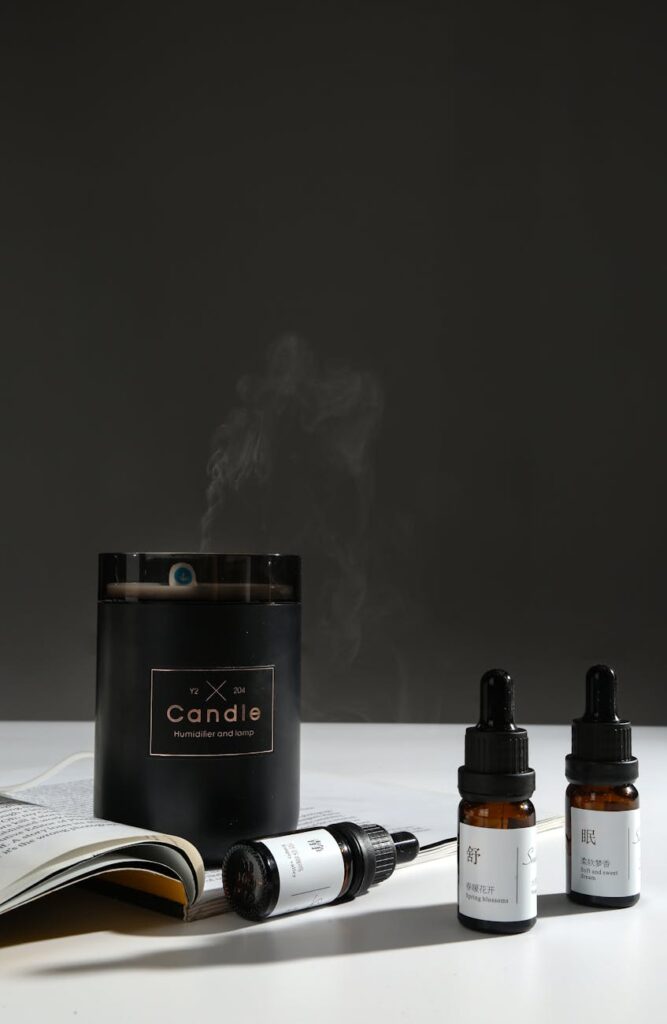
How to Use Aromatherapy Blends for Sleep Enhancement
Introduction
In an increasingly fast-paced world, many individuals struggle to achieve restful sleep. Aromatherapy, the practice of using essential oils for therapeutic benefits, offers a natural solution that may enhance sleep quality. This article delves into the concept of aromatherapy blends specifically designed for sleep, exploring their benefits, applications, and safety considerations.
What Is Aromatherapy Blends for Sleep Enhancement?
Aromatherapy blends for sleep enhancement combine various essential oils known for their calming, sedative, and relaxing properties. These blends are crafted to create a soothing environment that promotes relaxation and facilitates the transition into sleep. Commonly included essential oils in these blends are lavender, chamomile, cedarwood, and bergamot, each selected for their unique aromatic profiles and effects on the mind and body.
Key Benefits and Properties
Aromatherapy blends designed for sleep enhancement offer a range of benefits:
- Promotes Relaxation: Many essential oils have calming properties that help reduce stress and anxiety, making it easier to unwind before bedtime.
- Improves Sleep Quality: Certain oils are believed to contribute to deeper, more restorative sleep cycles, allowing for better overall rest.
- Reduces Sleep Onset Time: Inhaling soothing aromas can help individuals fall asleep faster by calming the nervous system.
- Enhances Mood: The use of pleasant scents can elevate mood and create a positive bedtime atmosphere, which is conducive to sleep.
- Supports a Healthy Sleep Routine: Incorporating aromatherapy into a nightly ritual can signal to the body that it is time to wind down.
- Diffusion: Using an essential oil diffuser to disperse the blend into the air is one of the most common methods. The scent fills the room, creating a tranquil environment.
- Topical Application: Diluting essential oils in a carrier oil and applying them to pulse points, such as wrists, temples, or the neck, can provide localized benefits.
- Bathing: Adding a few drops of the blend to a warm bath can create a relaxing experience that prepares the body for sleep.
- Sleep Masks and Pillows: Spritzing a diluted blend onto sleep masks or pillowcases can create a calming atmosphere, promoting relaxation as one drifts off.
- Inhalation: Direct inhalation from a bottle or a cotton ball can provide immediate calming effects, making it useful for those experiencing acute stress before bedtime.
- Fill the diffuser with water according to its instructions.
- Add the recommended number of drops of your chosen sleep blend (typically 3-10 drops).
- Turn on the diffuser about 30 minutes to an hour before bedtime to allow the scent to permeate the room.
- Combine 1-2 drops of essential oil blend with a carrier oil (such as coconut, jojoba, or almond oil) in a small bowl.
- Apply the mixture to pulse points, such as wrists, the back of the neck, or the soles of the feet.
- Add 5-10 drops of your sleep blend to a warm bath. For added benefits, consider using Epsom salts, which may promote relaxation.
- Soak for 20-30 minutes to fully enjoy the calming effects.
- Lightly spritz your pillowcase or sleep mask with a diluted blend (mix essential oils with water in a spray bottle).
- Allow it to dry before use to prevent any potential skin irritation.
- Open the bottle of the essential oil blend and take a few deep breaths directly from the bottle.
- Alternatively, place a few drops on a cotton ball and inhale the scent to experience its calming properties.
- Dilution: Always dilute essential oils in a carrier oil before topical application to prevent skin irritation.
- Allergies: Perform a patch test on a small area of skin to check for allergic reactions before using a blend more broadly.
- Pregnancy and Nursing: Consult with a healthcare professional if you are pregnant or nursing, as some essential oils may not be suitable.
- Children and Pets: Certain oils can be harmful to children and pets. Ensure you are using appropriate oils and concentrations, and consult a professional if in doubt.
- Quality of Oils: Use high-quality, pure essential oils from reputable sources to avoid synthetic additives or contaminants.
- Keep in a Cool, Dark Place: Store your essential oils in amber or cobalt glass bottles away from direct sunlight and heat sources.
- Tightly Sealed: Ensure bottles are tightly sealed to prevent evaporation and oxidation.
- Shelf Life: Most essential oils have a shelf life of 1-3 years, depending on the oil. Citrus oils tend to have shorter shelf lives, while oils like sandalwood can last much longer.
Common Uses
Aromatherapy blends can be utilized in various ways to enhance sleep:
Aromatherapy Applications
When applying aromatherapy blends for sleep enhancement, consider the following methods:
1. Diffusion
Using an essential oil diffuser is perhaps the most effective way to disperse the aromas into your sleeping environment. Here’s how to do it:
2. Topical Application
For topical use, it is essential to dilute essential oils properly:
3. Bathing
A relaxing bath can be enhanced with aromatherapy:
4. Sleep Masks and Pillows
Transform your sleep space:
5. Inhalation
For immediate relief:
Safety Considerations
While aromatherapy is generally considered safe, certain precautions should be taken:
Storage and Shelf Life
Proper storage of essential oils is crucial for maintaining their efficacy:
Frequently Asked Questions
Q: Can I blend my essential oils for sleep?
A: Yes, blending different oils can create a personalized aroma that suits your preferences. Begin with common sleep-inducing oils like lavender and chamomile, and experiment to find combinations that work best for you.
Q: How long does it take for aromatherapy to work for sleep?
A: The effects can vary by individual. Many people report feeling more relaxed and calm shortly after inhaling the blend or applying it topically, though achieving deeper sleep may take consistent use over time.
Q: Are there any essential oils I should avoid for sleep?
A: Some stimulating oils, such as peppermint or citrus oils, may not be ideal for sleep enhancement. It is best to stick to calming and sedative oils when focusing on sleep.
Q: Can I use aromatherapy blends alongside other sleep aids?
A: While many individuals successfully combine aromatherapy with other relaxation techniques or sleep aids, it is advisable to consult with a healthcare professional if you have concerns about interactions or side effects.
Q: How often can I use aromatherapy blends for sleep?
A: Aromatherapy blends can be used nightly as part of a bedtime routine. Consistency can help reinforce the association between the scent and relaxation, aiding in sleep enhancement.
Conclusion
Aromatherapy blends for sleep enhancement offer a natural, holistic approach to improving sleep quality. With proper application and safety considerations, these essential oils can create a calming environment conducive to restful sleep. Whether through diffusion, topical application, or relaxing baths, integrating aromatherapy into your nightly routine can be a beneficial step toward achieving the restful nights you seek.