
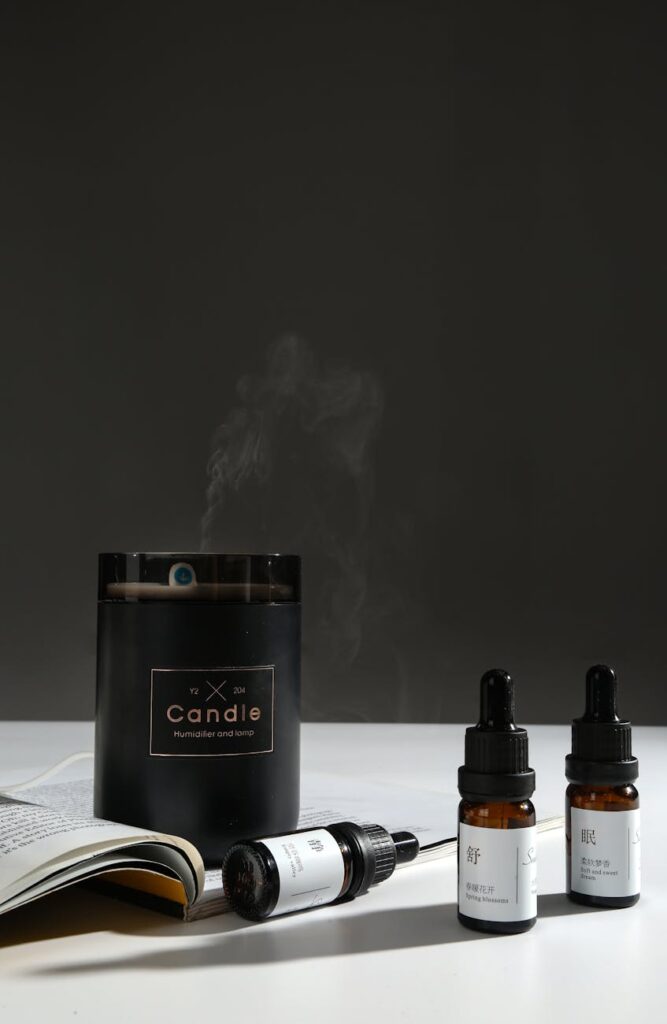
How to Use Aromatherapy Blends for Sleep Induction
Introduction
In today’s fast-paced world, sleep disturbances have become increasingly common. Many individuals are seeking natural remedies to promote relaxation and improve sleep quality. Aromatherapy, a holistic healing practice that utilizes essential oils derived from plants, offers a range of blends specifically formulated to aid sleep induction. This article explores the concept of aromatherapy blends for sleep, their benefits, common applications, and essential safety considerations.
What Is Aromatherapy Blends for Sleep Induction?
Aromatherapy blends for sleep induction comprise carefully selected essential oils combined to create a synergistic effect that promotes relaxation and prepares the body for restful sleep. These blends can include various oils known for their calming properties, such as lavender, chamomile, and sandalwood. The use of these essential oils can evoke emotional responses and physiological changes, aiding in the transition to a peaceful slumber.
Key Benefits and Properties
The benefits of using aromatherapy blends for sleep induction are numerous and often interconnected:
1. Promotes Relaxation
Essential oils such as lavender and bergamot have been shown to reduce stress and anxiety levels, creating an atmosphere conducive to relaxation. The calming properties of these oils can help quiet the mind and prepare it for sleep.
2. Enhances Sleep Quality
Aromatherapy may not only help individuals fall asleep faster but can also improve the overall quality of sleep. Oils like cedarwood and frankincense are known for their grounding effects, which can result in deeper, more restorative sleep.
3. Reduces Sleep Disturbances
Certain essential oils have been found to minimize nighttime awakenings and reduce instances of insomnia. Blends containing valerian root and chamomile can be particularly effective in this regard.
4. Creates a Calming Environment
Using aromatherapy blends in a bedroom setting can transform it into a sanctuary. The pleasant aromas can help create a soothing atmosphere, making it easier to unwind at the end of the day.
Common Uses
Aromatherapy blends for sleep induction can be used in various ways, depending on personal preferences and circumstances:
1. Diffusion
One of the most popular methods of using aromatherapy blends is through diffusion. An essential oil diffuser disperses the therapeutic properties of the oils into the air, creating a calming environment. Simply add a few drops of your chosen blend to the diffuser, fill it with water, and turn it on before bedtime.
2. Topical Application
Aromatherapy blends can also be applied topically, often diluted with a carrier oil such as coconut or jojoba oil. This method allows for direct interaction with the skin, where the essential oils can be absorbed into the bloodstream. Common areas for application include the wrists, neck, and the soles of the feet.
3. Bath Soaks
Incorporating aromatherapy blends into a warm bath can enhance the relaxation experience. Adding a few drops of the blend to bathwater, combined with Epsom salts or a carrier oil, can create a tranquil bathing ritual that prepares the body for sleep.
4. Pillow Sprays
Creating a pillow spray by combining water and essential oils in a small spray bottle is another effective method. Spritzing the blend onto pillows and linens can create a soothing aroma that promotes sleep.
Aromatherapy Applications
To effectively use aromatherapy blends for sleep induction, consider the following applications:
1. Blending Your Own Oils
Creating personalized blends allows for customization according to individual preferences. Common essential oils for sleep blends include:
- Lavender (Lavandula angustifolia): Known for its calming effects.
- Bergamot (Citrus bergamia): Promotes relaxation and reduces anxiety.
- Chamomile (Matricaria chamomilla): Known for its soothing properties.
- Cedarwood (Cedrus atlantica): Provides a grounding effect.
- Sandalwood (Santalum album): Instills a sense of peace and tranquility.
2. Pre-Made Options
Many companies offer pre-made aromatherapy blends specifically designed for sleep. These blends often incorporate a combination of popular sleep-inducing oils. Look for products labeled as “sleep blends” or “relaxation blends.”
3. Guided Aromatherapy
Some individuals may benefit from guided aromatherapy sessions, where trained practitioners can provide personalized recommendations and blends tailored to specific needs.
Safety Considerations
While aromatherapy is generally considered safe, it is essential to follow certain guidelines to ensure a positive experience:
1. Dilution
When applying essential oils topically, always dilute them with a carrier oil to prevent skin irritation. A common dilution ratio is 2-3 drops of essential oil per teaspoon of carrier oil.
2. Patch Testing
Before using a new essential oil, conduct a patch test to check for any allergic reactions. Apply a small amount of diluted oil to a discreet area and wait 24 hours to ensure there are no adverse effects.
3. Pregnancy and Lactation
Pregnant or nursing individuals should consult with a healthcare provider before using essential oils, as some oils may not be safe during these periods.
4. Medical Conditions
Individuals with certain health conditions, such as asthma or epilepsy, should exercise caution and consult a healthcare professional before using aromatherapy.
5. Quality of Oils
Choose high-quality, pure essential oils from reputable sources. Synthetic or low-quality oils may not provide the desired effects and could potentially cause adverse reactions.
Storage and Shelf Life
To maintain the efficacy of your essential oils and aromatherapy blends, proper storage is essential:
1. Cool, Dark Place
Store essential oils in a cool, dark place away from direct sunlight and heat sources. Excessive heat and light can degrade the oils and diminish their therapeutic properties.
2. Airtight Containers
Use dark glass containers with airtight seals to prevent oxidation and contamination. Essential oils can evaporate or degrade when exposed to air, so ensure the containers are tightly sealed after each use.
3. Shelf Life
The shelf life of essential oils varies depending on the type. Generally, citrus oils have a shorter shelf life (about one to two years), while oils like sandalwood and patchouli can last five years or more when stored correctly. Check for changes in aroma or consistency, which may indicate the oil has expired.
Frequently Asked Questions
1. How long does it take for aromatherapy blends to work?
The effects of aromatherapy can vary from person to person. Some individuals may experience relaxation shortly after inhaling the aroma, while others may benefit from longer, consistent use.
2. Can I mix different essential oils?
Yes, blending essential oils can create unique combinations tailored to personal preferences. However, ensure that the oils you are mixing are compatible and safe to use together.
3. How often can I use aromatherapy blends for sleep?
Aromatherapy can be used daily, especially if it helps improve sleep quality. However, it is essential to listen to your body and adjust usage based on individual responses.
4. Are there any essential oils I should avoid for sleep?
Some stimulating essential oils, such as peppermint or eucalyptus, may not be conducive to sleep. It is advisable to focus on calming and soothing oils when creating sleep blends.
5. Can aromatherapy replace traditional sleep aids?
Aromatherapy can be a complementary approach to enhancing sleep quality; however, it is not intended to replace medical treatments or sleep aids. Always consult with a healthcare professional for persistent sleep issues.
Conclusion
Aromatherapy blends for sleep induction offer a natural and holistic approach to enhance relaxation and improve sleep quality. By understanding the properties of various essential oils and how to apply them effectively, individuals can create a calming environment conducive to restful sleep. As always, practicing safety and ensuring the quality of oils used will enhance the experience, allowing for a more peaceful night’s rest.