
How to Use Aromatherapy Blends for Sleep Quality Enhancement
Introduction
In today’s fast-paced world, achieving quality sleep has become a significant challenge for many. Amidst the hustle and bustle of daily life, the quest for restorative rest often leads individuals to explore various remedies. One such avenue that has gained popularity is aromatherapy, particularly through the use of essential oil blends specifically designed to enhance sleep quality. This article delves into the intricacies of aromatherapy blends for sleep enhancement, offering insights into their benefits, applications, and safe usage.
What Is Aromatherapy Blends for Sleep Quality Enhancement?
Aromatherapy is a holistic practice that utilizes the natural fragrances of essential oils extracted from plants, flowers, and herbs to promote physical, emotional, and mental well-being. Aromatherapy blends for sleep quality enhancement are combinations of these essential oils formulated to create a calming and soothing environment conducive to sleep. These blends harness the properties of various essential oils known for their relaxing and sedative effects, working synergistically to enhance the sleep experience.
Key Benefits and Properties
The benefits of using aromatherapy blends for sleep enhancement extend beyond merely inducing sleep. Here are some key advantages:
1. Promotes Relaxation
Many essential oils, such as lavender and chamomile, are renowned for their calming properties. They can help reduce anxiety and stress, making it easier for individuals to unwind before bedtime.
2. Improves Sleep Quality
Aromatherapy blends can enhance the quality of sleep by promoting deeper and more restorative sleep cycles. This can lead to increased feelings of refreshment upon waking.
3. May Alleviate Sleep Disorders
While not a substitute for medical treatment, certain essential oils may assist individuals experiencing sleep disorders, such as insomnia, by creating a more conducive sleeping environment.
4. Enhances Mood
The aromatic properties of essential oils can influence mood and emotional well-being, potentially reducing feelings of irritability or restlessness that may hinder sleep.
5. Encourages Consistent Sleep Patterns
Regular use of specific aromatherapy blends can help signal to the body that it is time to wind down, promoting consistent sleep patterns over time.
Common Uses
Aromatherapy blends for sleep quality enhancement can be utilized in various ways, making them versatile tools for individuals seeking better sleep. Here are some common uses:
1. Diffusion
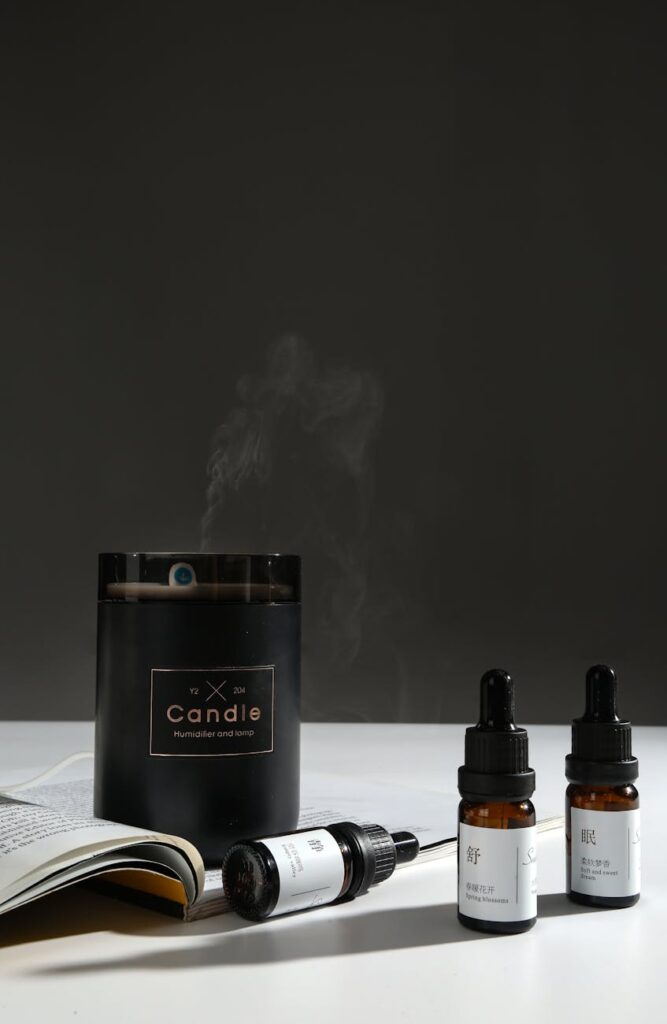
Using an essential oil diffuser is one of the most popular methods to disperse aromatic molecules into the air. Simply add a few drops of the chosen sleep-enhancing blend to the diffuser and let it work its magic.
2. Topical Application
Diluting essential oils in a carrier oil—such as sweet almond or coconut oil—allows for safe topical application. Massaging the blend onto pulse points (like wrists or temples) can enhance relaxation.
3. Bath Soak
Adding aromatherapy blends to bathwater creates a serene atmosphere. This method provides both inhalation of the oils and absorption through the skin, delivering a comprehensive relaxation experience.
4. Pillows and Bedding
Spraying a diluted blend onto pillows and bedding can create a calming scent that promotes sleep. Ensure the mixture is safe for fabrics to avoid stains.
5. Sleep Masks
Soaking cotton pads in an aromatherapy blend and placing them inside a sleep mask can create a relaxing olfactory experience while blocking out light.
Aromatherapy Applications
When considering aromatherapy blends for sleep, it is essential to know which essential oils contribute to sleep enhancement. Below are some commonly used oils and their properties:
1. Lavender (Lavandula angustifolia)
Lavender is perhaps the most well-known essential oil for sleep. Its gentle, floral aroma is celebrated for its calming effects, known to reduce anxiety and promote relaxation.
2. Chamomile (Matricaria chamomilla)
Chamomile is often used in tea, but its essential oil form can also promote tranquility and reduce insomnia. It has soothing properties that help calm the mind.
3. Bergamot (Citrus bergamia)
Bergamot oil has a refreshing citrus scent combined with calming properties. It is known to help alleviate stress and anxiety, making it an excellent addition to sleep blends.
4. Cedarwood (Cedrus atlantica)
Cedarwood oil is noted for its grounding scent and sedative effects. It can help ease tension and create a sense of security, promoting restful sleep.
5. Ylang Ylang (Cananga odorata)
With its sweet, floral aroma, ylang ylang is known for its ability to reduce stress and promote relaxation, making it a valuable component of sleep blends.
6. Frankincense (Boswellia serrata)
Frankincense oil has a rich, resinous scent that can promote deep breathing and relaxation. It is often used in meditation and can assist in creating a peaceful sleep environment.
Safety Considerations
While aromatherapy is generally considered safe, it is essential to observe certain precautions to ensure a positive experience:
1. Dilution
Always dilute essential oils with a carrier oil before topical application to avoid skin irritation. A common dilution ratio is 2-3 drops of essential oil per teaspoon of carrier oil.
2. Patch Testing
Before using a new essential oil blend, conduct a patch test on a small area of skin to check for any allergic reactions.
3. Pregnancy and Health Conditions
Pregnant individuals and those with specific health conditions should consult a healthcare professional before using essential oils.
4. Pets and Children
Some essential oils can be harmful to pets and young children. Research which oils are safe before using them in environments with these vulnerable groups.
5. Quality Matters
Choose high-quality essential oils from reputable sources to ensure purity and efficacy. Look for oils that are labeled as 100% pure and free from additives or synthetic ingredients.
Storage and Shelf Life
To maintain the potency and effectiveness of essential oils, proper storage is crucial:
1. Keep Away from Light
Store essential oils in dark glass bottles to protect them from light, which can degrade their quality over time.
2. Cool, Dry Place
Store oils in a cool, dry place, away from direct heat sources. Excessive heat can compromise the integrity of the oils.
3. Shelf Life
Most essential oils have a shelf life of 1-3 years, depending on the oil type and storage conditions. Regularly check for changes in scent or consistency to determine if the oils are still usable.
Frequently Asked Questions
1. How long before bed should I use aromatherapy blends?
Using aromatherapy blends about 30 minutes to an hour before bedtime is ideal, as it allows time for the calming effects to take place.
2. Can I blend different essential oils?
Yes, blending different essential oils can create personalized aromas tailored to individual preferences. Experimenting with various combinations can lead to unique and effective sleep blends.
3. Is it safe to use aromatherapy with a diffuser overnight?
Using a diffuser overnight is generally safe, but ensure it has an automatic shut-off feature. Additionally, consider diluting the oils more than usual for longer diffusion periods.
4. Can I use essential oils if I have allergies?
Individuals with allergies should exercise caution and consult a healthcare provider before using essential oils. Some oils can trigger allergic reactions or sensitivities.
5. Are there any essential oils to avoid for sleep?
Certain oils, such as peppermint or citrus oils, can be stimulating rather than calming. It is advisable to avoid these in sleep blends.
Conclusion
Aromatherapy blends for sleep quality enhancement offer a natural and holistic approach to improving sleep. With a variety of essential oils available, individuals can explore and create personalized blends that resonate with their preferences and needs. By understanding the benefits, common uses, and safety considerations, one can effectively harness the power of aromatherapy to cultivate a serene sleep environment. As with any wellness practice, consistency and mindfulness are key to achieving the desired outcomes.