
How to Use Aromatherapy Blends for Sleep Quality Improvement
Introduction
Sleep is an essential component of overall health and well-being, influencing physical, mental, and emotional functions. In our fast-paced world, many individuals struggle with sleep-related issues, leading to a growing interest in natural remedies. Aromatherapy, which utilizes essential oils extracted from plants for therapeutic purposes, has emerged as a popular approach to promoting better sleep quality. This article explores how aromatherapy blends can facilitate improved sleep, detailing their benefits, applications, and safety considerations.
What Is Aromatherapy Blends for Sleep Quality Improvement?
Aromatherapy blends for sleep quality improvement typically consist of a combination of essential oils known for their calming and relaxing properties. These oils are derived from various plants, including flowers, leaves, bark, and roots. When inhaled or absorbed through the skin, these oils can influence the limbic system, the part of the brain associated with emotions and memories, promoting relaxation and reducing anxiety.
Common essential oils used in sleep blends include lavender, chamomile, bergamot, and sandalwood, among others. The synergistic effect of these oils, when blended, is believed to enhance their individual properties, creating a more profound impact on sleep quality.
Key Benefits and Properties
Aromatherapy blends for sleep improvement offer several benefits, including:
1. Relaxation and Stress Reduction: Many essential oils possess properties that help alleviate stress and anxiety, making it easier to unwind before bedtime.
2. Improved Sleep Quality: Certain oils can promote deeper and more restorative sleep, reducing the frequency of wakefulness throughout the night.
3. Enhanced Mood: Aromatherapy can positively affect mood, creating a serene environment conducive to sleep.
4. Support for Sleep Disorders: While not a substitute for medical treatment, some individuals find that aromatherapy aids in managing symptoms of insomnia or other sleep disturbances.
5. Holistic Approach: Using essential oils aligns with a holistic lifestyle, addressing not just the symptoms of sleep issues but also fostering a calm environment conducive to relaxation.
Common Uses
Aromatherapy blends can be utilized in various ways to improve sleep quality. Some common applications include:
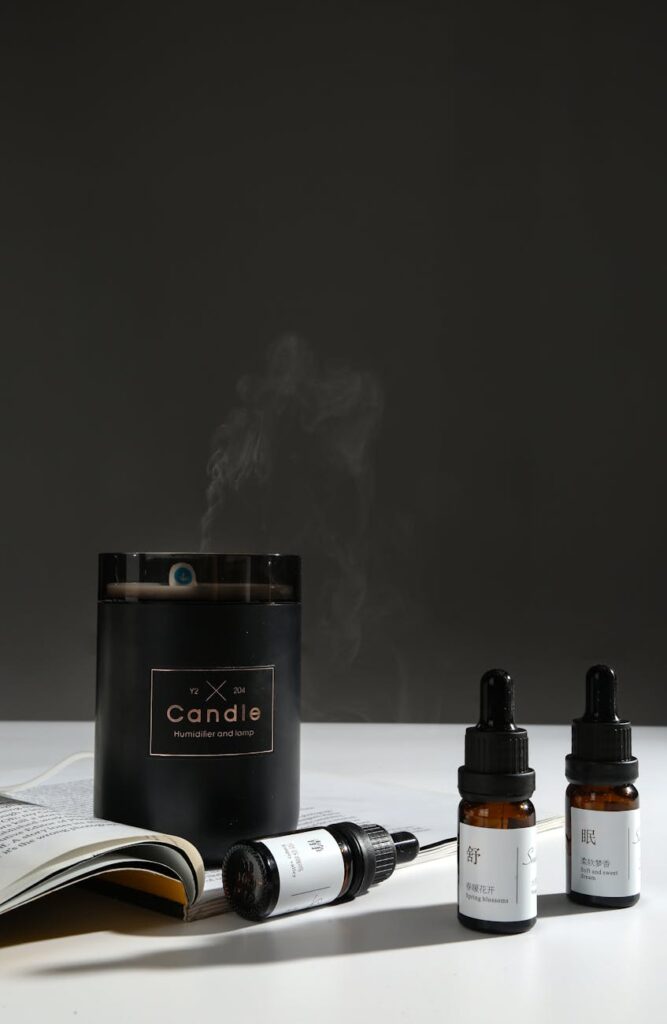
- Diffusion: Using an essential oil diffuser to disperse the aroma of the blend into the air, creating a calming atmosphere in the bedroom.
- Topical Application: Diluting essential oils with a carrier oil and applying them to pulse points such as the wrists, neck, or temples.
- Bath Soaks: Adding essential oils to a warm bath can enhance relaxation and prepare the body for sleep.
- Sleep Pillows: Spraying pillowcases or bedding with a diluted essential oil blend can promote a soothing sleep environment.
- Inhalation: Simply inhaling the aroma directly from the bottle or from a cotton ball can provide immediate relief and relaxation.
- Lavender and Bergamot: Combine 3 drops of lavender and 2 drops of bergamot for a soothing effect.
- Chamomile and Ylang Ylang: Mix 2 drops of chamomile with 3 drops of ylang ylang for a calming aroma.
- Calming Sleep Blend: Combine 2 drops of lavender, 2 drops of chamomile, and 1 drop of sandalwood in 1 tablespoon of carrier oil. Apply to pulse points before bed.
- Relaxing Bath Soak: Mix 1 cup of Epsom salts with 5 drops of lavender and 5 drops of geranium. Add to warm bathwater and soak for 20 minutes.
- Sleep Pillow Spray: Combine 1 cup of distilled water with 10 drops of lavender and 5 drops of chamomile. Shake well before spraying onto linens.
- Inhaler Stick: Add 5 drops each of lavender and bergamot to an inhaler stick. Inhale deeply before bedtime.
Aromatherapy Applications
To effectively use aromatherapy blends for sleep, consider the following applications:
1. Diffuser Blends
A diffuser can distribute essential oils evenly throughout a room. Here are a few simple blends to try:
2. Topical Blends
For topical application, it’s essential to dilute essential oils in a carrier oil such as jojoba or sweet almond oil. A suggested blend might include:
3. Bath Soaks
Create a relaxing bath experience by mixing essential oils with Epsom salts. A simple recipe could include:
4. Sleep Spray
A sleep spray can be prepared by combining essential oils with water in a spray bottle. A basic recipe might include:
5. Inhalation Techniques
For quick relief, inhalation can be effective. Consider the following method:
Safety Considerations
While aromatherapy is generally safe for most individuals, certain precautions should be observed:
1. Dilution: Always dilute essential oils before applying them to the skin to prevent irritation. A common dilution ratio is 2-3 drops of essential oil per teaspoon of carrier oil.
2. Patch Test: Conduct a patch test on a small area of skin to check for allergic reactions or sensitivities.
3. Pregnancy and Nursing: Pregnant or nursing individuals should consult a healthcare provider before using essential oils.
4. Children and Pets: Some essential oils may not be suitable for young children or pets. Research specific oils to ensure safety.
5. Quality of Oils: Use high-quality, pure essential oils from reputable sources. Synthetic oils may not provide the desired effects and could be harmful.
Storage and Shelf Life
Proper storage of essential oils is crucial to maintain their potency and efficacy. Follow these guidelines:
1. Dark Glass Containers: Store essential oils in dark glass bottles to protect them from light, which can degrade their quality.
2. Cool, Dry Place: Keep oils in a cool, dry area away from direct sunlight or heat sources.
3. Shelf Life: Most essential oils have a shelf life of 1-3 years, depending on the type. Citrus oils tend to have a shorter shelf life, while oils like patchouli and vetiver can improve with age.
Frequently Asked Questions
1. How long does it take for aromatherapy to work?
The effects of aromatherapy can vary from person to person. Many individuals report feeling relaxed almost immediately, while others may require consistent use over several nights to notice significant improvements in sleep quality.
2. Can I combine different essential oils?
Yes, blending essential oils can enhance their effects. However, it is advisable to research the properties of each oil and ensure they complement each other.
3. Are there any side effects associated with aromatherapy?
Though generally safe, some individuals may experience skin irritation or an allergic reaction. If you notice any adverse effects, discontinue use and consult a healthcare provider.
4. How often should I use aromatherapy for sleep?
Frequency of use can depend on individual needs. Many people find that incorporating aromatherapy into their nighttime routine enhances their overall sleep quality.
5. Can aromatherapy replace sleep medication?
Aromatherapy is not a substitute for medical treatments. Individuals seeking to manage sleep disorders should consult a healthcare professional for appropriate guidance.
Conclusion
Aromatherapy blends can be a valuable addition to one’s nighttime routine, promoting relaxation and improving sleep quality. By understanding the properties and applications of various essential oils, individuals can tailor their approach to suit their needs. Always prioritize safety and quality in your aromatherapy practices, and consider seeking further guidance if sleep issues persist. With thoughtful application, aromatherapy can serve as a natural ally in the pursuit of restful sleep.