
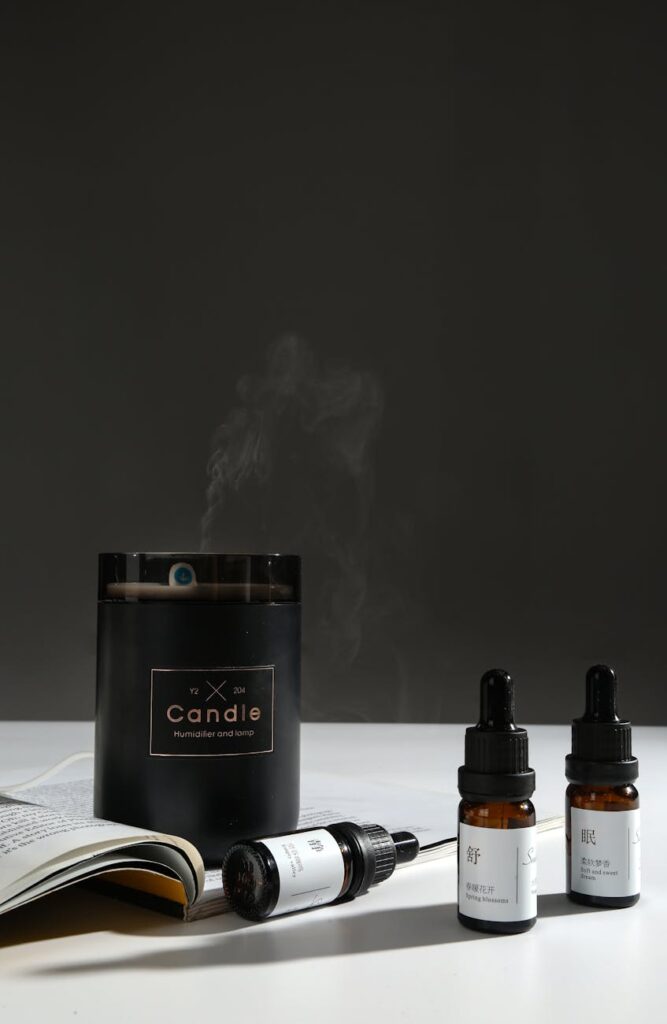
How to Use Aromatherapy Blends for Sleep Support
Introduction
In an increasingly fast-paced world, the quest for a good night’s sleep has become a common challenge. Aromatherapy, the practice of using essential oils extracted from plants, offers a holistic approach to enhancing sleep quality. By harnessing the power of specific essential oil blends, individuals can create a calming environment conducive to rest and relaxation. This article explores how to use aromatherapy blends for sleep support, delving into their benefits, common applications, and essential safety considerations.
What Is Aromatherapy Blends for Sleep Support?
Aromatherapy blends for sleep support are combinations of essential oils designed to promote relaxation and improve sleep quality. These blends typically incorporate oils known for their calming properties, such as lavender, chamomile, and bergamot. The practice of aromatherapy utilizes the olfactory system, which directly influences the brain’s emotional centers, potentially easing stress and anxiety.
The effectiveness of these blends lies in their ability to create a serene atmosphere. When inhaled or absorbed through the skin, these essential oils can evoke a sense of calm, helping to prepare the body for restful sleep.
Key Benefits and Properties
Aromatherapy blends for sleep support offer several benefits, which can be attributed to the unique properties of the essential oils used. Here are some key benefits:
1. Promotes Relaxation
Many essential oils have calming effects that can help reduce tension and anxiety. Oils such as lavender and ylang-ylang are known for their ability to soothe the mind and body, making it easier to unwind before bedtime.
2. Improves Sleep Quality
Certain essential oils may help enhance the quality of sleep. Users often report deeper, more restorative sleep when using blends with sedative properties.
3. Reduces Stress and Anxiety
Aromatherapy can help alleviate feelings of stress and anxiety, which are common barriers to restful sleep. Oils like bergamot and frankincense may contribute to an overall sense of well-being.
4. Supports a Calm Environment
The pleasant aroma of essential oils can create a peaceful ambiance in the bedroom, transforming it into a restful sanctuary.
Common Uses
Aromatherapy blends for sleep support can be utilized in various ways, each offering a unique method to experience the benefits of essential oils:
1. Diffusion
Using an essential oil diffuser is one of the most popular methods. The diffuser disperses the oils into the air, allowing for easy inhalation. This method is particularly effective for creating a calming atmosphere in the bedroom.
2. Topical Application
Diluting essential oils in a carrier oil and applying them to pulse points—such as the wrists, neck, or behind the ears—can enhance relaxation. A gentle massage with these blends can also promote a sense of calm.
3. Bath Soaks
Adding a few drops of sleep-supporting essential oils to a warm bath can create a soothing experience. The steam from the hot water helps release the aromatic compounds, enhancing the overall relaxation effect.
4. Sleep Pillows and Sachets
Creating a sleep pillow or sachet filled with dried herbs and a few drops of essential oils can provide a long-lasting aromatic experience. Placing these under your pillow or near your bed can help you unwind.
5. Bedtime Rituals
Incorporating aromatherapy into your bedtime routine, such as through meditation or gentle yoga, can enhance relaxation and signal to the body that it is time to sleep.
Aromatherapy Applications
To create effective aromatherapy blends for sleep support, consider the following essential oils known for their calming properties:
1. Lavender (Lavandula angustifolia)
Renowned for its soothing scent, lavender is a staple in sleep-support blends. It can help lower heart rate and blood pressure, promoting relaxation.
2. Chamomile (Matricaria chamomilla)
Chamomile is often associated with calmness. Its sweet, apple-like aroma can help ease stress and induce a sense of tranquility.
3. Bergamot (Citrus bergamia)
With its citrusy scent, bergamot has been shown to reduce anxiety and promote relaxation. It can be particularly beneficial for those who struggle with racing thoughts.
4. Ylang-Ylang (Cananga odorata)
Ylang-ylang’s exotic floral aroma can help reduce feelings of stress and tension, making it a valuable addition to sleep blends.
5. Cedarwood (Cedrus atlantica)
Cedarwood has a warm, woody scent that is calming and grounding. Its sedative properties may help improve sleep quality.
6. Frankincense (Boswellia serrata)
Frankincense is often used in meditation practices to promote deep relaxation. Its rich, earthy aroma can help quiet the mind.
Sample Blend Recipe
To create a simple sleep-supporting blend, combine the following:
- 5 drops of lavender essential oil
- 3 drops of chamomile essential oil
- 2 drops of bergamot essential oil
- Carrier oil (for topical application)
Mix the oils and store in a dark glass bottle. This blend can be used in a diffuser or applied to pulse points before bedtime.
Safety Considerations
While aromatherapy is generally safe for most individuals, it is essential to observe certain precautions:
1. Dilution
Always dilute essential oils in a carrier oil before applying them to the skin. This reduces the risk of skin irritation and sensitization.
2. Quality of Essential Oils
Choose high-quality, pure essential oils from reputable sources. Synthetic fragrances may not provide the same benefits and can potentially contain harmful chemicals.
3. Allergies and Sensitivities
Perform a patch test before using a new essential oil, especially if you have known allergies or sensitivities. Discontinue use if any adverse reactions occur.
4. Pregnancy and Medical Conditions
Consult with a healthcare professional before using essential oils if you are pregnant, nursing, or have any medical conditions.
5. Children and Pets
Be cautious when using essential oils around children and pets, as some oils may be harmful to them. Always research the safety of specific oils.
Storage and Shelf Life
Proper storage of essential oils is crucial to maintain their efficacy over time. Store them in a cool, dark place, away from direct sunlight and heat. Use dark glass bottles to protect the oils from light exposure.
The shelf life of essential oils varies, but most oils can last from 1 to 5 years if stored correctly. Always check for any changes in color, scent, or viscosity before use, as these may indicate that the oil has gone bad.
Frequently Asked Questions
1. Can I use aromatherapy blends every night?
Yes, many people safely use aromatherapy blends as part of their nightly routine. However, if you notice any adverse reactions, it is advisable to discontinue use.
2. What if I don’t like the smell of certain essential oils?
Aromatherapy is highly personal. If you dislike a particular oil, feel free to experiment with other scents that you find more appealing.
3. Can I mix different essential oils?
Yes, blending different essential oils can create a unique aroma. However, it is essential to research which oils complement each other and ensure they are safe for use together.
4. Is there a specific time to use aromatherapy for sleep?
Aromatherapy can be used at any time to promote relaxation, but it is often most effective when incorporated into a bedtime routine.
5. Can aromatherapy replace traditional sleep aids?
While aromatherapy can enhance relaxation and improve sleep quality, it should not be viewed as a replacement for medical treatments prescribed by a healthcare professional.
Conclusion
Aromatherapy blends for sleep support offer a natural, holistic approach to enhancing rest and relaxation. By utilizing the calming properties of essential oils, individuals can create a serene environment conducive to sleep. Whether through diffusion, topical application, or bath soaks, incorporating these blends into your bedtime routine may help you achieve the restful sleep you desire. Always remember to prioritize safety and choose high-quality oils for the best experience.