
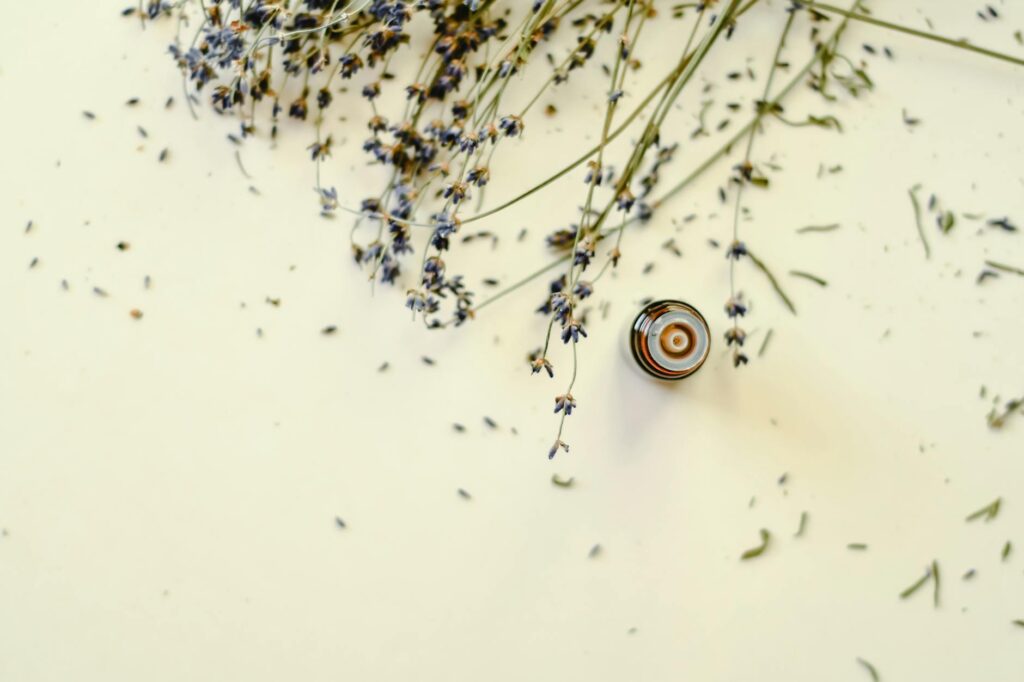
How to Use Aromatherapy Blends for Stress Reduction
Introduction
In today’s fast-paced world, stress has become an inevitable part of life for many individuals. As people seek natural methods to alleviate stress, the use of essential oils and aromatherapy blends has gained popularity. Aromatherapy, a holistic practice that utilizes the therapeutic properties of essential oils, offers a variety of ways to promote relaxation and emotional well-being. This article explores how to effectively use aromatherapy blends for stress reduction, highlighting key benefits, applications, and safety considerations.
What Is Aromatherapy Blends for Stress Reduction?
Aromatherapy blends are combinations of essential oils that are specifically formulated to address various emotional and physical concerns. In the context of stress reduction, these blends are designed to promote feelings of calm, relaxation, and overall emotional balance. Essential oils, extracted from plants, flowers, leaves, and roots, contain unique compounds that can influence mood and mental clarity.
When used in conjunction with specific techniques such as inhalation, diffusion, or topical application, these blends can create an environment conducive to relaxation and stress relief. Popular essential oils for stress reduction include lavender, chamomile, bergamot, and frankincense, each bringing unique properties that contribute to the overall therapeutic effect.
Key Benefits and Properties
Aromatherapy blends for stress reduction offer a wide range of benefits, including:
1. Emotional Balance: Certain essential oils can help stabilize emotions, reducing feelings of anxiety and tension. For example, lavender is renowned for its calming effects, making it a staple in stress-reduction blends.
2. Physical Relaxation: Many essential oils possess muscle-relaxing properties that can alleviate physical tension and discomfort. Oils such as marjoram and sweet orange may help ease muscle tightness associated with stress.
3. Improved Sleep Quality: Aromatherapy can enhance the quality of sleep by promoting relaxation and reducing anxiety. Blends containing oils like cedarwood and vetiver can create a soothing atmosphere for restful sleep.
4. Cognitive Clarity: Some blends can enhance focus and mental clarity, counteracting the foggy feeling that stress often brings. Essential oils like rosemary and peppermint are known for their uplifting properties.
5. Holistic Approach: Utilizing aromatherapy blends allows individuals to engage in self-care practices that can complement other stress-reduction techniques, such as meditation, deep breathing, and yoga.
Common Uses
Aromatherapy blends for stress reduction can be incorporated into daily routines in various ways:
1. Diffusion: Using an essential oil diffuser can disperse the aroma of the blend throughout a room, creating a calming ambiance. This method is particularly effective for larger spaces or while engaging in activities such as meditation or reading.
2. Topical Application: Diluting essential oils in a carrier oil (such as coconut or jojoba oil) allows for safe application on the skin. This method can be particularly beneficial for localized stress relief, such as applying a blend to the temples or wrists.
3. Bathing: Adding a few drops of an aromatherapy blend to a warm bath can create a spa-like experience that promotes relaxation. The heat of the water helps to release the aromatic compounds, enhancing their effect.
4. Inhalation: Direct inhalation of essential oils can deliver immediate benefits. Placing a few drops of a blend on a tissue or cotton ball and inhaling can provide quick relief in stressful situations.
5. Massage: Incorporating essential oils into massage therapy can enhance the relaxation experience. A trained massage therapist can use aromatherapy blends to further promote stress relief during a session.
Aromatherapy Applications
When applying aromatherapy blends for stress reduction, consider the following methods:
1. Creating Your Own Blend
Making custom blends allows for personalization based on individual preferences and desired effects. Here’s a simple recipe for a stress-reducing blend:
- 3 drops of lavender essential oil
- 2 drops of bergamot essential oil
- 2 drops of chamomile essential oil
- 1 tablespoon of carrier oil (for topical use)
Mix the oils in a small bottle and shake well before use.
2. Using Pre-Made Blends
Many companies offer pre-made aromatherapy blends specifically formulated for stress reduction. These products can be convenient and are often crafted by experienced aromatherapists who understand the synergies between various oils.
3. Incorporating into Daily Routines
Integrate aromatherapy into daily rituals, such as morning routines, evening wind-downs, or during work breaks. Creating a consistent practice can help reinforce relaxation and stress management.
Safety Considerations
While aromatherapy is generally safe when used correctly, it is essential to consider the following safety guidelines:
1. Dilution: Always dilute essential oils with a carrier oil before applying them to the skin. This reduces the risk of irritation or allergic reactions.
2. Patch Testing: Conduct a patch test by applying a diluted blend to a small area of skin to check for any adverse reactions before wider application.
3. Avoiding Photosensitivity: Certain essential oils, particularly citrus oils like bergamot, can cause photosensitivity. Avoid direct sunlight after applying these oils to the skin.
4. Pregnancy and Health Conditions: Consult with a healthcare professional if pregnant, nursing, or if you have any pre-existing health concerns. Some essential oils are contraindicated during pregnancy.
5. Children and Pets: Exercise caution when using essential oils around children or pets, as some oils may be harmful or irritating. Research appropriate oils for use in these cases.
Storage and Shelf Life
Proper storage is essential to maintain the integrity of essential oils and blends. Here are some tips:
1. Cool, Dark Place: Store essential oils in a cool, dark place away from direct sunlight and heat to prevent degradation.
2. Tightly Sealed Containers: Ensure that bottles are tightly sealed to minimize exposure to air, which can lead to oxidation.
3. Shelf Life: Essential oils generally have a shelf life of 1 to 3 years, depending on the oil. Citrus oils tend to have a shorter shelf life, while oils like patchouli and sandalwood may improve with age.
Frequently Asked Questions
1. How do I choose the right aromatherapy blend for stress relief?
Choosing the right blend depends on personal preferences and desired effects. Experiment with different oils to find those that resonate with you, and consider the specific properties of each oil.
2. Can I use essential oils in a diffuser at night?
Yes, using a diffuser at night can create a calming environment conducive to sleep. However, ensure that the diffuser is placed safely away from bedding and that it operates quietly.
3. How often can I use aromatherapy blends for stress reduction?
You can use aromatherapy blends as often as needed. Listen to your body and mind; if you feel the need for relaxation, it’s appropriate to engage in aromatherapy practices.
4. Are there any essential oils I should avoid for stress reduction?
While many essential oils are beneficial, certain oils may cause irritation or allergic reactions in some individuals. It’s advisable to research each oil and consult with a professional if uncertain.
5. Can I use aromatherapy blends for other emotional issues besides stress?
Absolutely. Aromatherapy blends can also be tailored to address various emotional concerns, such as anxiety, sadness, or fatigue. Consider blending oils that correspond with the specific emotional states you wish to address.
Conclusion
Aromatherapy blends provide a versatile and enjoyable approach to stress reduction. By harnessing the therapeutic properties of essential oils, individuals can create personalized experiences that promote relaxation, emotional balance, and overall well-being. As with any holistic practice, understanding the properties and safe usage of these blends is vital for maximizing their benefits. Whether through diffusion, topical application, or bathing, incorporating aromatherapy into daily routines can serve as a valuable tool in managing stress and enhancing quality of life.