
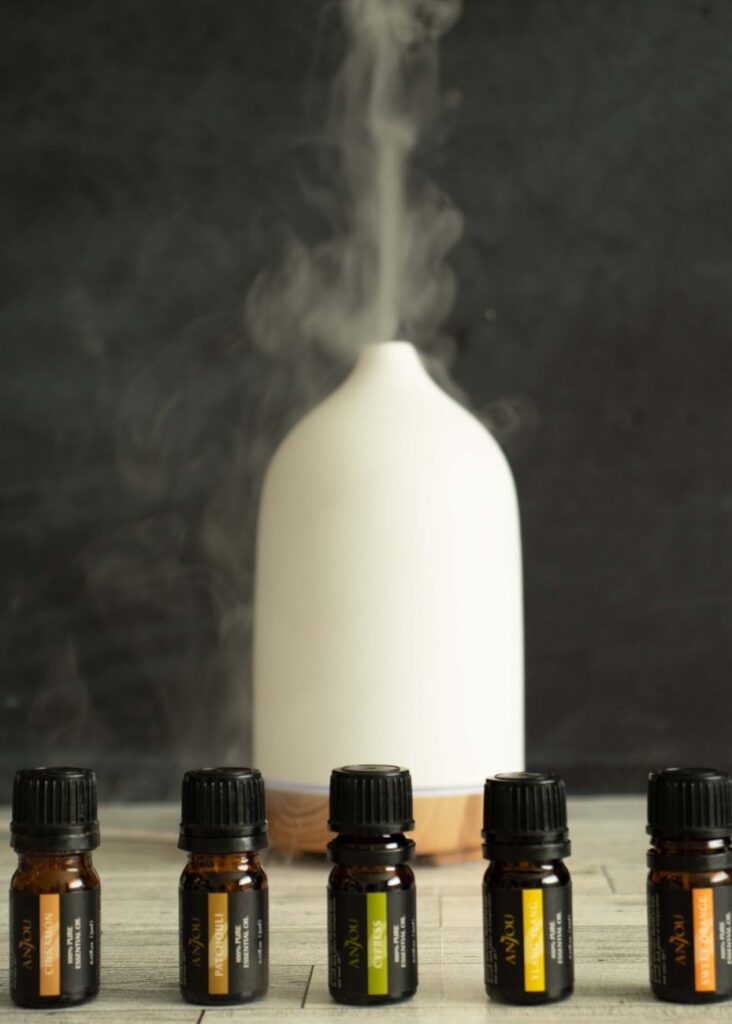
How to Use Aromatherapy Diffusers
Introduction
Aromatherapy is a holistic practice that utilizes the natural properties of essential oils derived from plants to promote physical, emotional, and spiritual well-being. One of the most popular and effective methods of using essential oils is through the use of aromatherapy diffusers. These devices disperse essential oils into the air, allowing their aromatic compounds to be inhaled and absorbed, creating an atmosphere conducive to relaxation, focus, or rejuvenation. This article will explore how to use aromatherapy diffusers, their benefits, applications, and important safety considerations.
What Is Aromatherapy Diffusers?
An aromatherapy diffuser is a device designed to disperse essential oils into the surrounding environment. There are several types of diffusers, each functioning differently:
1. Ultrasonic Diffusers: These use ultrasonic waves to create a fine mist of water and essential oils, which is then released into the air. They often double as humidifiers, increasing moisture in the environment.
2. Nebulizing Diffusers: These operate without water and use pressurized air to break down essential oils into tiny particles, resulting in a strong, concentrated aroma.
3. Heat Diffusers: These use heat to evaporate the essential oils, releasing their aroma gradually. While they are simple to use, heat can alter the chemical properties of the oils.
4. Evaporative Diffusers: These rely on airflow to evaporate essential oils, typically using a fan to disperse the scent. They are portable and easy to use but may not provide a consistent aroma.
5. Reed Diffusers: These involve a container filled with essential oils and reeds that absorb and diffuse the fragrance naturally. They are a more passive method and do not require electricity.
Understanding the type of diffuser that best suits your needs is crucial for effective aromatherapy.
Key Benefits and Properties
Aromatherapy diffusers offer numerous benefits that can enhance mood, promote relaxation, and create a pleasant environment. Some key benefits include:
- Enhanced Mood: Inhaling essential oils can influence emotional states, helping to alleviate stress, anxiety, and depression. Scents like lavender and citrus are well-known for their uplifting properties.
- Improved Concentration: Certain essential oils, such as peppermint and rosemary, are believed to stimulate the mind and improve focus, making them ideal for studying or working.
- Relaxation and Sleep Aid: Oils like chamomile and bergamot can promote relaxation and improve sleep quality, making them suitable for nighttime diffusion.
- Air Purification: Many essential oils possess antimicrobial properties, which may help purify the air and eliminate odors.
- Enhanced Meditation Practices: The calming scents from diffused oils can create a serene atmosphere conducive to meditation and mindfulness practices.
- Home Environments: Diffusers can be placed in living rooms, bedrooms, or bathrooms to create a welcoming and pleasant atmosphere.
- Workspaces: Diffusing oils like lemon or eucalyptus can enhance focus and productivity while reducing workplace stress.
- Massage Therapy: In professional settings, diffusers may be used to create a calming ambiance during massage sessions.
- Yoga Studios: Essential oils can elevate the experience of yoga by promoting relaxation and mindfulness.
- Spas and Wellness Centers: Many spas incorporate aromatherapy diffusers into their services to enhance relaxation and healing.
- Quality of Essential Oils: Always use pure, therapeutic-grade essential oils. Avoid synthetic fragrances, which may contain harmful chemicals.
- Dilution: Some essential oils can be potent. When diffusing oils, ensure proper dilution to avoid overwhelming scents, especially in smaller spaces.
- Sensitive Individuals: Be mindful of anyone with allergies or sensitivities. It may be best to avoid certain oils or diffuse at lower concentrations.
- Children and Pets: Some essential oils can be harmful to children and pets. Always research and consult reliable sources regarding the safety of specific oils in households with young children or animals.
- Pregnancy and Medical Conditions: Pregnant women and individuals with certain medical conditions should consult healthcare professionals before using essential oils.
- Store in Dark Glass Bottles: Essential oils should be stored in dark glass bottles to protect them from light, which can degrade their quality.
- Keep in a Cool, Dry Place: High temperatures and humidity can accelerate the deterioration of oils. Store them in a cool, dry environment.
- Check Expiry Dates: Most essential oils have a shelf life of 1-3 years, while some may last longer if stored properly. Always check for changes in color, smell, or consistency.
Common Uses
Aromatherapy diffusers can be utilized in various settings and for multiple purposes. Some common uses include:
Aromatherapy Applications
Using an aromatherapy diffuser involves several steps to maximize the benefits of essential oils:
1. Select Your Essential Oils: Choose oils based on your intended outcome, whether it is relaxation, focus, or mood elevation. Always opt for high-quality, pure essential oils.
2. Fill the Diffuser: Depending on the type of diffuser, fill the reservoir with water (if applicable) and add the recommended number of drops of essential oil. Typically, 3-10 drops are sufficient, depending on the oil’s potency and the size of the room.
3. Power On: Turn on the diffuser, ensuring it is placed on a stable surface away from direct sunlight and drafts.
4. Adjust Settings: Many diffusers come with settings for intensity and duration. Adjust these according to your preferences.
5. Enjoy the Aroma: Allow the diffuser to run for the desired time, and enjoy the aromatic experience.
6. Clean Regularly: To maintain optimal performance and prevent residue buildup, clean the diffuser according to the manufacturer’s instructions.
Safety Considerations
While aromatherapy diffusers are generally safe, certain precautions should be taken:
Storage and Shelf Life
The shelf life of essential oils can vary widely depending on the type of oil and storage conditions. To ensure longevity:
Frequently Asked Questions
1. How often should I use my aromatherapy diffuser?
The frequency of use depends on personal preference. Many people choose to run their diffusers for 30 minutes to 2 hours at a time, allowing breaks in between to prevent olfactory fatigue.
2. Can I mix different essential oils?
Yes, blending essential oils can create unique aromatic profiles. It is important to understand the properties of each oil and combine them in a balanced manner.
3. How do I clean my diffuser?
Cleaning methods vary by diffuser type. Generally, it involves emptying the reservoir, wiping it down with a cloth or sponge, and using a mixture of water and vinegar or rubbing alcohol to remove residue.
4. Can I use tap water in my diffuser?
It is advisable to use distilled or purified water for ultrasonic diffusers to prevent mineral buildup. Tap water may contain impurities that can affect the diffuser’s performance.
5. Are there any essential oils I should avoid?
Certain oils, such as cinnamon or clove, are very potent and may irritate the skin or respiratory system. It’s essential to do thorough research on the oils you plan to use and consult reliable resources.
Conclusion
Aromatherapy diffusers provide an accessible and effective way to enjoy the myriad benefits of essential oils. By understanding how to properly use and care for your diffuser, you can create a soothing environment tailored to your needs. With a wide variety of essential oils available, the possibilities for enhancing your space and well-being are virtually limitless. Whether for relaxation, concentration, or simply to enjoy delightful aromas, aromatherapy diffusers can play a significant role in promoting a harmonious atmosphere in your daily life.