
How to Use Aromatherapy for Burnout Prevention Blends
Introduction
In our fast-paced world, burnout has become an increasingly common experience. Characterized by emotional, physical, and mental exhaustion, burnout often arises as a result of prolonged stress and an overwhelming workload. While various strategies exist for managing and mitigating burnout, aromatherapy has emerged as a popular complementary approach. This article explores how essential oils can be utilized in blends specifically designed to prevent burnout, focusing on their properties, applications, and safety considerations.
What Is Aromatherapy for Burnout Prevention Blends?
Aromatherapy is a holistic practice that employs the use of essential oils derived from plants to promote well-being. When tailored for burnout prevention, aromatherapy blends typically combine oils that are known for their calming, uplifting, and grounding properties. These blends aim to reduce stress, enhance mood, and foster a sense of tranquility.
Burnout prevention blends often include oils that support mental clarity, emotional balance, and overall resilience. When inhaled or absorbed through the skin, these oils can activate the limbic system, the part of the brain responsible for emotions, thus influencing mood and behavior.
Key Benefits and Properties
The essential oils used in burnout prevention blends offer a range of benefits, thanks to their unique chemical compositions. Here are some of the most common oils and their properties:
1. Lavender (Lavandula angustifolia):
- Properties: Calming, relaxing, and sedative.
- Benefits: Often used to alleviate anxiety and promote restful sleep, lavender can help reduce feelings of stress.
- Properties: Uplifting and refreshing.
- Benefits: Known to enhance mood and alleviate feelings of sadness, bergamot is often used in blends aimed at emotional well-being.
- Properties: Grounding and soothing.
- Benefits: This oil is associated with promoting inner peace and reducing feelings of anxiety.
- Properties: Calming and euphoric.
- Benefits: Ylang ylang may help balance emotions and reduce stress levels.
- Properties: Stimulating and clarifying.
- Benefits: Known for enhancing focus and concentration, rosemary can be beneficial in counteracting mental fatigue.
- Properties: Grounding and calming.
- Benefits: Cedarwood helps create a soothing environment, promoting relaxation and emotional stability.
- Ingredients:
- 3 drops lavender
- 2 drops bergamot
- 1 drop cedarwood
- Method: Combine oils in a diffuser or dilute with a carrier oil for topical application. This blend promotes relaxation and emotional balance.
- Ingredients:
- 2 drops ylang ylang
- 3 drops bergamot
- 2 drops rosemary
- Method: Diffuse or inhale directly for an uplifting experience, ideal for moments when you need an emotional boost.
- Ingredients:
- 2 drops frankincense
- 2 drops cedarwood
- 2 drops lavender
- Method: Use this blend in a warm bath or during meditation to encourage a sense of calm and groundedness.
2. Bergamot (Citrus bergamia):
3. Frankincense (Boswellia serrata):
4. Ylang Ylang (Cananga odorata):
5. Rosemary (Rosmarinus officinalis):
6. Cedarwood (Cedrus atlantica):
Common Uses
Aromatherapy blends for burnout prevention can be utilized in various ways, making them versatile tools for emotional and mental wellness. Here are some common applications:
1. Diffusion: Using a diffuser is one of the most popular methods for dispersing essential oils into the air. Diffusing a blend can create a calming atmosphere in your home or workplace.
2. Topical Application: Diluting essential oils in a carrier oil (such as jojoba or sweet almond oil) allows for safe application on the skin. This method is particularly effective for localized relief, such as tension in the shoulders or neck.
3. Inhalation: Direct inhalation—placing a few drops of essential oil on a cotton ball or in the palm of your hands and inhaling deeply—can provide immediate stress relief.
4. Bathing: Adding essential oils to a warm bath can create a serene environment, allowing for deeper relaxation and stress relief.
5. Massage: Incorporating aromatherapy into massage therapy can enhance the experience, providing both physical and emotional benefits.
Aromatherapy Applications
Creating your own burnout prevention blend can be a rewarding experience. Here are a few simple recipes to get you started:
Calming Blend
Uplifting Blend
Grounding Blend
Safety Considerations
While aromatherapy is generally considered safe, it is important to follow certain guidelines to ensure a positive experience:
1. Dilution: Always dilute essential oils with a carrier oil before applying them to the skin to prevent irritation.
2. Patch Testing: Conduct a patch test on a small area of skin before using a new oil to check for allergic reactions.
3. Pregnancy and Nursing: Some essential oils are not recommended for use during pregnancy or breastfeeding. Consult with a qualified professional for guidance.
4. Children and Pets: Certain essential oils may not be safe for use around young children or pets. Research specific oils before use in these contexts.
5. Medical Conditions: If you have any pre-existing medical conditions or are on medication, consult a healthcare provider before using essential oils.
Storage and Shelf Life
Proper storage of essential oils is essential to maintaining their potency and effectiveness. Here are some storage tips:
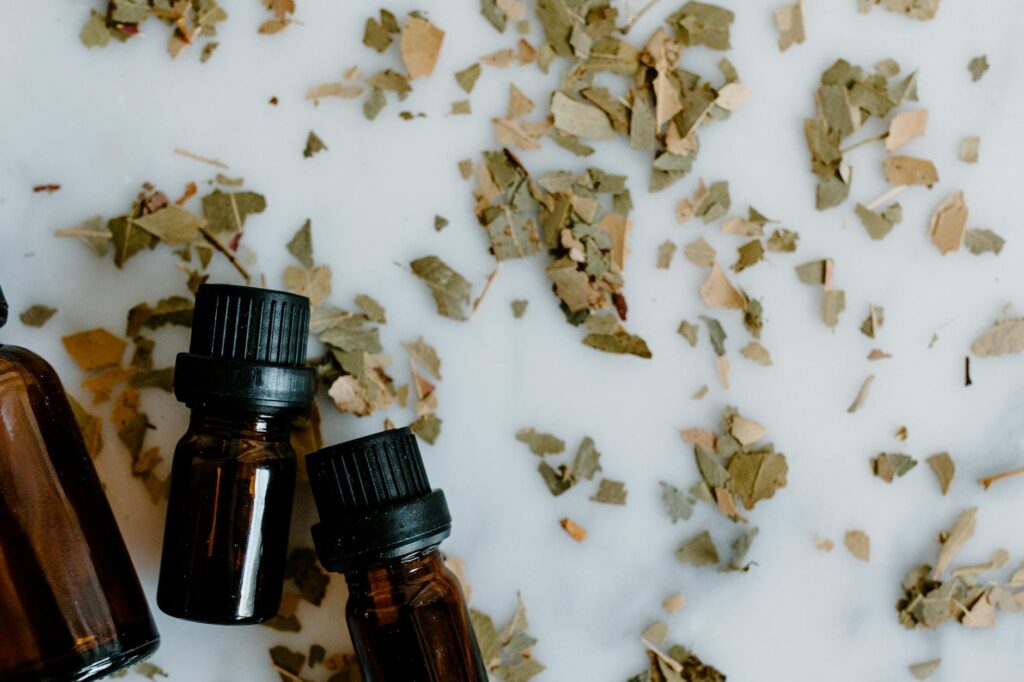
1. Container: Store essential oils in dark glass bottles to protect them from light and heat, which can degrade their quality.
2. Temperature: Keep oils in a cool, dry place, away from direct sunlight and heat sources.
3. Shelf Life: Essential oils typically have a shelf life of 1-3 years, depending on the oil. Citrus oils tend to have shorter shelf lives, while oils such as sandalwood can last much longer.
Frequently Asked Questions
Can aromatherapy really prevent burnout?
While aromatherapy is not a cure, it can be a valuable tool in managing stress and promoting emotional well-being, which may contribute to burnout prevention.
How often should I use aromatherapy blends?
The frequency of use depends on individual preferences and needs. Some may benefit from daily applications, while others may use them as needed during particularly stressful times.
Are there any essential oils to avoid?
Certain oils, such as those derived from wintergreen or birch, can be toxic if ingested and should be used with caution. Always research oils before use.
Can I mix different essential oils?
Yes, many essential oils can be blended together to create unique combinations, enhancing their benefits. Just ensure that the oils you choose complement each other.
Is it safe to use essential oils in a diffuser?
Yes, using essential oils in a diffuser is a common and effective method of enjoying their benefits. Just be sure to follow the manufacturer’s instructions for your specific diffuser.
Conclusion
Aromatherapy offers a holistic approach to enhancing emotional well-being and preventing burnout. By understanding the properties and benefits of various essential oils, individuals can craft personalized blends that align with their needs. Whether through diffusion, topical application, or other methods, incorporating aromatherapy into daily routines can promote a healthier response to stress, ultimately contributing to a more balanced and fulfilling life. Always remember to practice safety and consult resources when experimenting with essential oils for the best results.