
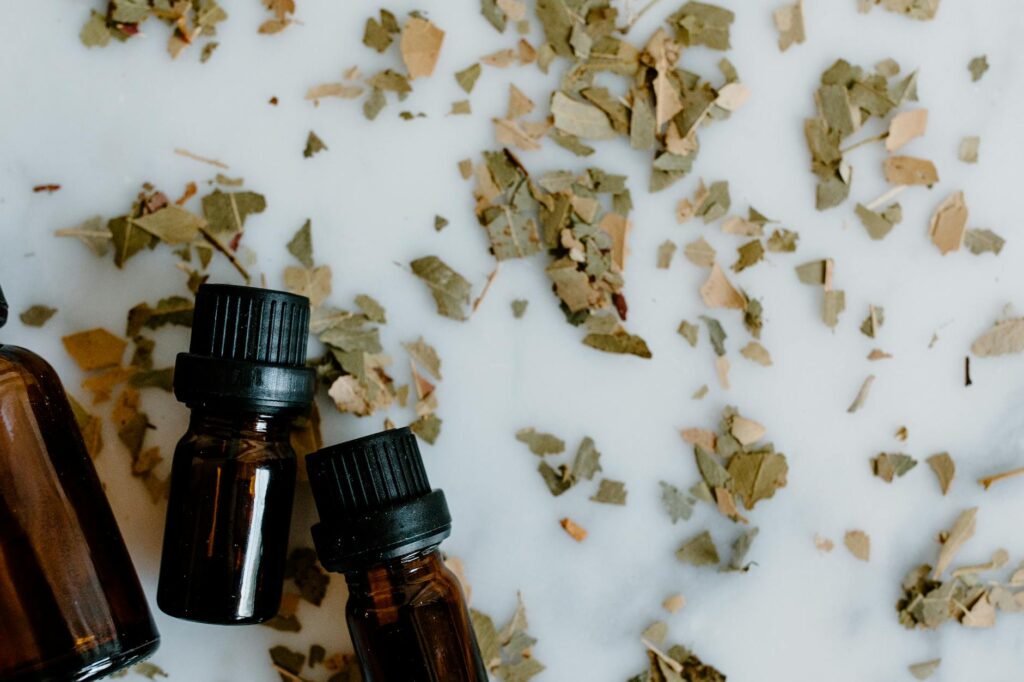
How to Use Aromatherapy for Compassion and Empathy Blends
Introduction
Aromatherapy, an ancient practice that harnesses the therapeutic properties of essential oils, has gained widespread recognition for its potential to uplift the spirit, promote relaxation, and enhance emotional well-being. One of the more nuanced applications of aromatherapy involves creating blends aimed at fostering compassion and empathy. This article explores the principles behind these blends, their benefits, common applications, and safety considerations, providing a comprehensive guide for those looking to harness the power of scent to cultivate emotional connection.
What Is Aromatherapy for Compassion and Empathy Blends?
Aromatherapy for compassion and empathy blends focuses on essential oils that evoke feelings of understanding, kindness, and open-heartedness. These blends are often formulated to help individuals connect with their own emotions and those of others, promoting a sense of community and shared experience. The practice relies on inhalation or topical application of essential oils, which are extracted from various parts of plants, including leaves, flowers, stems, and roots. Each essential oil possesses unique properties that can influence mood and emotional states, making them valuable tools in fostering compassion and empathy.
Key Benefits and Properties
The essential oils used in compassion and empathy blends typically exhibit properties that support emotional healing and interpersonal connection. Here are some key benefits and properties associated with these oils:
1. Mood Enhancement: Many essential oils can uplift the mood and alleviate feelings of sadness or anxiety. Oils like bergamot and sweet orange are known for their cheerful, uplifting effects.
2. Stress Relief: Oils such as lavender and chamomile are celebrated for their calming properties, helping to reduce stress and promote relaxation, which can create a more receptive environment for empathy.
3. Emotional Balance: Essential oils like rose and geranium can help stabilize emotions, allowing individuals to approach situations with a clearer mind and heart.
4. Increased Awareness: Some oils, such as frankincense, are thought to enhance mindfulness and promote a deeper understanding of oneself and others, fostering a greater sense of connection.
5. Support for Compassionate Listening: Oils that promote grounding and centering, such as cedarwood and vetiver, can help individuals remain present and engaged during conversations, facilitating better communication and understanding.
Common Uses
Aromatherapy for compassion and empathy blends can be utilized in various contexts, including:
- Personal Meditation: Individuals can diffuse these blends during meditation or quiet reflection to deepen their emotional awareness and foster self-compassion.
- Therapeutic Settings: Practitioners in counseling, coaching, or healing professions may incorporate these blends to create a supportive atmosphere for clients.
- Group Gatherings: Shared spaces, such as workshops or community gatherings, can benefit from compassion blends to promote a sense of collective connection.
- Daily Rituals: Incorporating these oils into daily routines, such as during morning rituals or evening wind-downs, can help cultivate an ongoing practice of empathy and compassion.
- How to Use: Add a few drops of your chosen compassion and empathy blend to the diffuser, following the manufacturer’s instructions.
- How to Use: Mix essential oils with a carrier oil (such as jojoba or sweet almond oil) in a 2-3% dilution and apply to pulse points, or use during a massage.
- How to Use: Add a few drops of the blend to a tissue or cotton ball and hold it near your nose while taking deep breaths.
- How to Use: Blend essential oils with Epsom salts or a carrier oil before adding to the bath to ensure even distribution.
- How to Use: Add a drop or two of the essential oil blend to the jewelry as needed.
- Dilution: Always dilute essential oils before applying them to the skin to prevent irritation. A common dilution ratio is 2-3% for topical use.
- Patch Test: Conduct a patch test on a small area of skin to check for any allergic reactions before using a new essential oil blend.
- Pregnancy and Nursing: Some essential oils are not recommended for use during pregnancy or nursing. Always consult a qualified professional if in doubt.
- Children and Pets: Certain essential oils may not be safe for children or pets. Research each oil and its recommended age or species restrictions.
- Quality of Oils: Opt for high-quality, pure essential oils from reputable sources. Impure or synthetic oils may contain harmful additives.
- Dark Glass Containers: Store essential oils in dark glass bottles to protect them from light exposure, which can degrade the oils.
- Cool, Dry Place: Keep oils in a cool, dry area, away from direct sunlight and heat sources.
- Shelf Life: Most essential oils have a shelf life of 1-3 years, although some, like citrus oils, may expire more quickly. Check for an expiration date or use by recommendations.
Aromatherapy Applications
There are several effective methods for applying aromatherapy for compassion and empathy blends:
1. Diffusion
Using an essential oil diffuser is one of the most popular ways to disperse essential oils into the air. This method allows individuals to inhale the aromatic compounds, enabling them to experience the emotional benefits of the oils.
2. Topical Application
Diluting essential oils in a carrier oil and applying them to the skin can enhance their therapeutic effects. This method is particularly effective for grounding oils that need to be absorbed.
3. Inhalation
Direct inhalation can provide immediate effects. This can be done by placing a few drops of essential oil on a cotton ball or tissue and inhaling deeply.
4. Bath Soaks
Adding essential oils to bath water can create a soothing environment, allowing for relaxation and emotional release.
5. Aromatherapy Jewelry
Wearing jewelry designed for aromatherapy, such as bracelets or necklaces with absorbent materials, allows for continuous scent exposure throughout the day.
Safety Considerations
While essential oils are generally safe when used correctly, there are important safety considerations to keep in mind:
Storage and Shelf Life
Proper storage is essential for maintaining the quality and efficacy of essential oils. Here are some guidelines:
Frequently Asked Questions
1. Can I create my own compassion and empathy blend?
Yes, you can create your own blends by combining essential oils that resonate with you. Start with a base oil and gradually add other oils, testing the scent as you go.
2. How do I choose which oils to include in my blend?
Consider the emotional qualities and properties of each oil. Look for oils known for promoting compassion, understanding, and emotional balance.
3. How often can I use these blends?
You can use compassion and empathy blends as often as needed, but it is advisable to allow breaks between applications to avoid desensitization.
4. Can I use these blends in my workplace?
Yes, using compassion and empathy blends in the workplace can foster a positive atmosphere. However, be mindful of others’ sensitivities to scents.
5. Are there any contraindications for using these essential oils?
Some essential oils may interact with medications or may not be suitable for certain health conditions. Always research individual oils and consult with professionals if necessary.
Conclusion
Aromatherapy for compassion and empathy blends offers a unique approach to enhancing emotional well-being and interpersonal relationships. By understanding the properties and benefits of various essential oils, individuals can create effective blends to foster connection, understanding, and kindness. Whether used in personal rituals, therapeutic settings, or community gatherings, these aromatic tools can play a significant role in cultivating a more compassionate world. As with any practice, it is essential to approach aromatherapy with care and respect, ensuring safe and enjoyable experiences.