
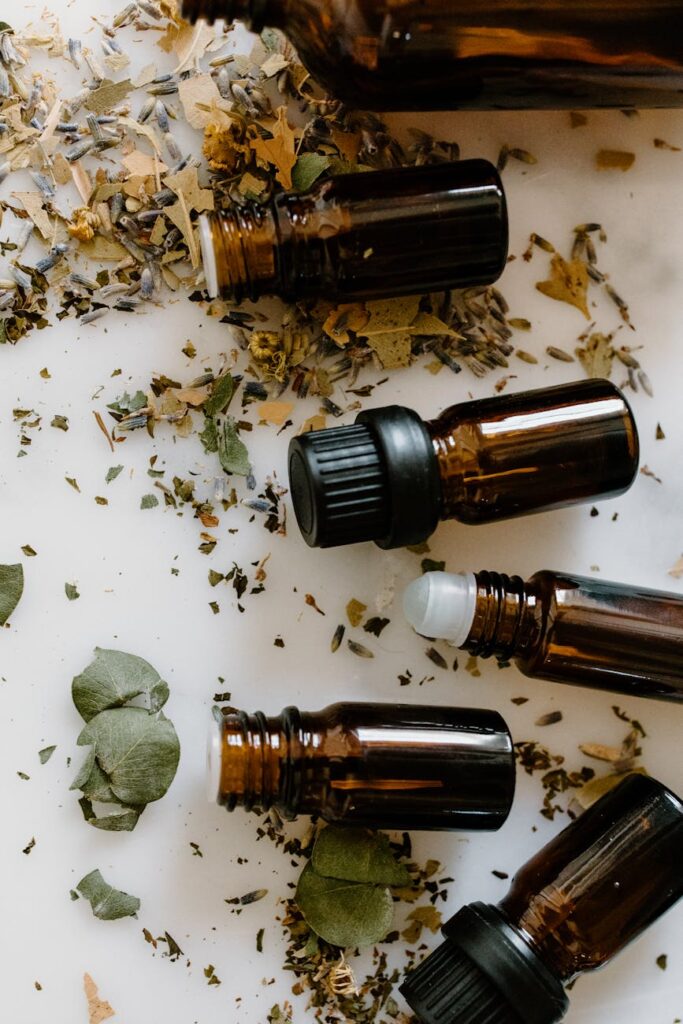
How to Use Aromatherapy for Creativity Enhancement Blends
Introduction
Aromatherapy, the practice of using essential oils derived from plants for therapeutic purposes, has gained recognition not only for its physical benefits but also for its psychological and emotional applications. Among its many uses, enhancing creativity has become a focal point for artists, writers, and professionals seeking inspiration. This article delves into the intricacies of using aromatherapy for creativity enhancement blends, exploring the essential oils that can stimulate the mind, improve focus, and foster imaginative thinking.
What Is Aromatherapy for Creativity Enhancement Blends?
Aromatherapy for creativity enhancement involves using specific essential oils that are believed to stimulate mental processes associated with creativity. These oils can be combined in various formulations—known as blends—to create an atmosphere conducive to brainstorming, problem-solving, and artistic expression. The fusion of scents interacts with the limbic system, the part of the brain responsible for emotions and memories, thereby influencing mood and cognitive functions.
Key Benefits and Properties
The benefits of using aromatherapy for creativity enhancement are multifaceted. Here are some key properties associated with essential oils commonly used for this purpose:
1. Mood Elevation: Many essential oils, such as citrus and floral scents, are known to uplift mood, reducing feelings of anxiety and depression that can stifle creativity.
2. Increased Focus: Oils like peppermint and rosemary can enhance concentration and mental clarity, allowing for deeper engagement with creative tasks.
3. Stress Reduction: Stress can be a significant barrier to creativity. Essential oils such as lavender and chamomile can promote relaxation and a sense of calm, creating a fertile ground for creative thoughts.
4. Enhanced Imagination: Certain oils, like jasmine and sandalwood, are reputed to inspire imaginative thinking and free association, crucial components of the creative process.
5. Improved Memory: Some essential oils may aid in memory recall, which is beneficial for creative individuals who draw on past experiences and knowledge in their work.
Common Uses
Aromatherapy blends for creativity can be employed in various settings and practices, including:
- Workspaces: Diffusing essential oils in an office or studio can create a stimulating environment conducive to creative thinking.
- Meditation: Incorporating essential oils into meditation practices can enhance focus and clarity, allowing for deeper exploration of creative ideas.
- Artistic Activities: Using essential oils during painting, writing, or other creative pursuits can inspire and energize.
- Brainstorming Sessions: Whether in group settings or solo, aromatherapy can help participants engage more freely and think outside the box.
- Citrus Blend: Lemon, grapefruit, and sweet orange for uplifting and energizing effects.
- Herbal Blend: Rosemary, basil, and mint for enhanced focus and clarity.
- Floral Blend: Jasmine, ylang-ylang, and geranium for inspiration and emotional balance.
- Dilution: Always dilute essential oils with a carrier oil before applying them to the skin to prevent irritation.
- Allergies: Conduct a patch test to check for sensitivities or allergies to new oils.
- Pregnancy: Some essential oils are contraindicated during pregnancy. It is advisable for pregnant individuals to consult a qualified practitioner.
- Quality: Use high-quality, pure essential oils from reputable sources, as synthetic fragrances may not provide the same benefits and could be harmful.
Aromatherapy Applications
Several methods exist for applying essential oils in creative enhancement. Here are some popular techniques:
1. Diffusion
Using a diffuser is one of the most effective ways to disperse essential oils into the air. Simply add a few drops of your chosen creativity-enhancing blend to the diffuser and allow the scent to fill the space. This method is beneficial for creating an inspiring ambiance in workspaces or during creative sessions.
2. Inhalation
Direct inhalation involves placing a few drops of essential oil on a cotton ball or tissue and inhaling the scent deeply. This method is quick and portable, allowing for on-the-go inspiration.
3. Topical Application
For a more personal experience, essential oils can be diluted with a carrier oil (such as jojoba or sweet almond oil) and applied to pulse points like wrists, neck, or temples. This method allows for the scent to be close to the body, providing a continuous olfactory experience.
4. Bathing
Adding essential oils to a warm bath can create a serene environment that encourages reflection and creative thought. Ensure that the oils are properly diluted in a carrier oil before adding them to the bathwater.
5. Crafting Blends
Creating your own blends can be a fun and personal way to enhance creativity. Experiment with different combinations of essential oils to find a blend that resonates with you. Common combinations include:
Safety Considerations
While essential oils are generally considered safe when used correctly, it is essential to observe certain precautions:
Storage and Shelf Life
Proper storage is crucial to maintaining the integrity of essential oils. Store them in a cool, dark place, away from direct sunlight and heat. Most essential oils have a shelf life of 1 to 3 years, but some, like citrus oils, may have a shorter lifespan. Always check for changes in scent or consistency before use.
Frequently Asked Questions
Q1: How quickly can I expect to feel the effects of aromatherapy?
The effects of aromatherapy can vary from person to person. Some individuals may feel an immediate change in mood or focus, while others may require consistent use over time to notice significant effects.
Q2: Can I mix different essential oils?
Yes, blending essential oils can create unique scents and enhance their combined benefits. Start with small amounts and test the blend for personal preference.
Q3: Are there any essential oils I should avoid?
Certain oils may cause sensitivity or adverse reactions in some individuals, such as cinnamon or clove. It is best to research each oil and consult reliable sources before use.
Q4: Can I use aromatherapy for group creativity sessions?
Absolutely! Diffusing a creativity-enhancing blend in a group setting can foster a collaborative and inspired atmosphere.
Q5: How can I find the right blend for me?
Experimenting with different oils and combinations is the best way to discover what resonates with you. Keeping a journal of your experiences can help track which oils inspire creativity most effectively.
Conclusion
Aromatherapy offers a versatile and enriching tool for enhancing creativity through the power of scent. By understanding the properties of various essential oils and how to apply them, individuals can create an inspiring environment that fosters innovation and imaginative thinking. With thoughtful application and proper safety measures, aromatherapy can become an essential part of the creative process, unlocking potential and inspiring new ideas.