
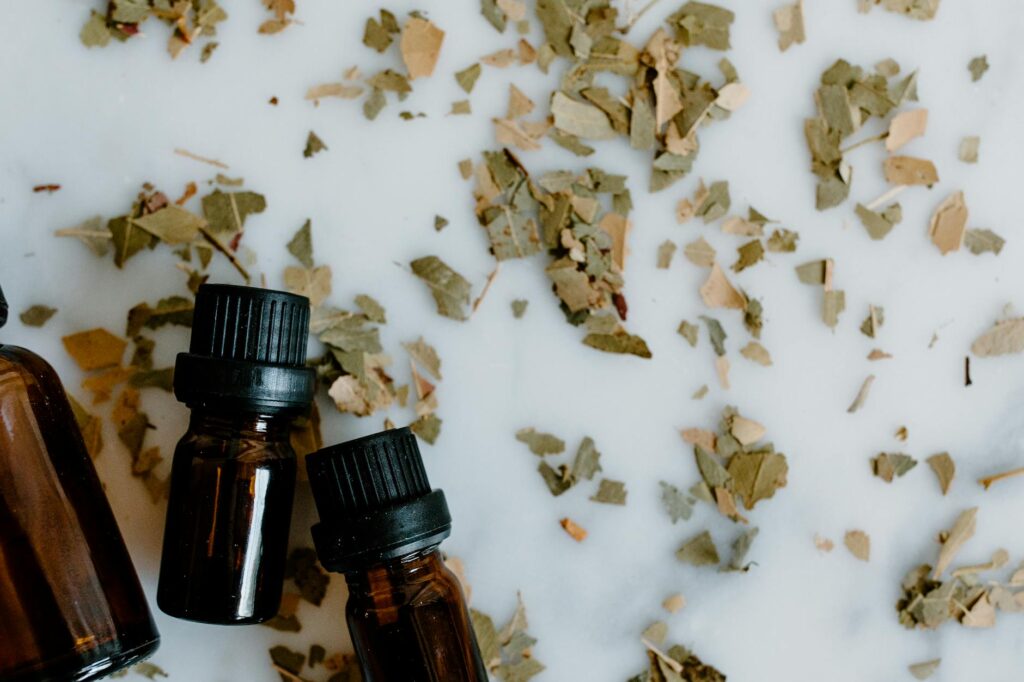
How to Use Aromatherapy for Emotional Support during Change Blends
Introduction
Aromatherapy is an ancient practice that harnesses the power of essential oils derived from plants, flowers, and herbs. It has gained popularity in recent years as a holistic approach to emotional and psychological well-being. Particularly during times of change—whether it be personal transitions, career shifts, or significant life events—aromatherapy can provide substantial emotional support. This article explores how to effectively use aromatherapy for emotional support through specific blends designed for navigating change.
What Is Aromatherapy for Emotional Support during Change Blends?
Aromatherapy for emotional support during change blends involves the strategic use of essential oils to influence emotional and psychological states. Essential oils are concentrated extracts from various parts of plants, including flowers, leaves, bark, and roots. When inhaled or applied topically, these oils can evoke various responses, helping individuals cope with feelings of anxiety, uncertainty, or stress associated with transitions.
Change blends are specifically formulated combinations of essential oils geared towards promoting positivity, calmness, and resilience. These blends typically target emotional states such as fear, sadness, or overwhelm, facilitating a smoother transition during periods of change.
Key Benefits and Properties
The benefits of using aromatherapy for emotional support during transitions can be extensive. Some key properties of essential oils that contribute to emotional well-being include:
1. Mood Stabilization: Certain oils, like lavender and bergamot, are known for their calming effects, helping to stabilize mood and alleviate feelings of anxiety.
2. Stress Relief: Oils like chamomile and frankincense can reduce stress levels, promoting a sense of peace and relaxation.
3. Emotional Clarity: Oils such as rosemary and citrus oils (e.g., lemon, orange) can enhance mental clarity, aiding in decision-making during uncertain times.
4. Grounding Effects: Earthy oils like vetiver and cedarwood can help ground individuals, making them feel more connected and centered amidst change.
5. Uplifting Properties: Oils such as ylang-ylang and geranium have uplifting qualities that can foster optimism and a positive outlook.
Common Uses
Aromatherapy blends for emotional support can be utilized in various scenarios, including:
- Life Transitions: Such as moving to a new city, starting a new job, or adjusting to major life events (e.g., marriage, divorce).
- Personal Growth: Times of self-discovery or pursuing new goals can evoke feelings of uncertainty or fear, where aromatherapy can provide reassurance.
- Stressful Situations: Whether it’s preparing for a public speaking event or facing a challenging situation, essential oils can mitigate stress.
- Daily Routine Enhancements: Incorporating change blends into daily rituals can create an ongoing sense of emotional support.
- How to Diffuse: Add a few drops of your chosen change blend to a diffuser filled with water. Turn on the device and allow the aroma to fill your space.
- How to Inhale: Place a few drops of the oil on a cotton ball or tissue, hold it near your nose, and take deep breaths. Alternatively, you can create an inhaler stick for on-the-go use.
- How to Apply Topically: Mix a few drops of essential oil with a carrier oil (like jojoba or fractionated coconut oil) and massage it onto pulse points, such as wrists or the nape of the neck.
- How to Bathe: Mix a few drops of essential oil with a carrier oil or an emulsifier (like milk or honey) before adding it to your bathwater to prevent skin irritation.
- How to Make a Spray: Combine distilled water with essential oils in a spray bottle. Shake well before each use and spray around your living space or on linens.
- Dilution: Always dilute essential oils with a carrier oil before applying them to the skin to avoid irritation.
- Skin Sensitivity: Conduct a patch test on a small area of skin to check for any allergic reactions or sensitivities.
- Quality of Oils: Use high-quality, pure essential oils from reputable sources. Synthetic oils may not provide the desired benefits and can cause adverse reactions.
- Consultation: If you are pregnant, nursing, have underlying health conditions, or are taking medication, it’s advisable to consult with a healthcare professional before using essential oils.
- Storage Conditions: Keep essential oils in a cool, dark place away from direct sunlight. Glass containers are preferred over plastic, as oils can degrade plastics.
- Shelf Life: Most essential oils have a shelf life ranging from 1 to 5 years, depending on the type. Citrus oils tend to have a shorter shelf life compared to woody or resinous oils. Look for signs of spoilage, such as changes in aroma or consistency.
Aromatherapy Applications
There are several methods to apply aromatherapy for emotional support. Here are some common applications:
1. Diffusion
Using an essential oil diffuser is one of the most effective ways to disperse the therapeutic properties of essential oils into the air.
2. Inhalation
Inhaling essential oils directly can provide immediate emotional relief.
3. Topical Application
Diluting essential oils in a carrier oil and applying them to the skin allows for absorption and localized benefits.
4. Bathing
Adding essential oils to a warm bath can create a soothing experience that encourages relaxation.
5. Sprays and Mists
Creating an aromatherapy spray can provide a refreshing way to use essential oils throughout your day.
Safety Considerations
While aromatherapy is generally safe for many, there are important safety considerations to keep in mind:
Storage and Shelf Life
Proper storage of essential oils is crucial for maintaining their potency and effectiveness.
Frequently Asked Questions
1. Can I create my own change blend?
Yes! Creating your own blend can be a rewarding experience. Start with a base oil and add a few drops of complementary oils that resonate with your emotional needs during the change.
2. How long does it take to feel the effects of aromatherapy?
The effects can be immediate, especially with inhalation. However, regular use over time may lead to more profound emotional shifts.
3. Can essential oils interact with medications?
Some essential oils may interact with certain medications. Consult a healthcare professional for guidance if you are on medication.
4. Are there any essential oils to avoid during pregnancy?
Yes, certain essential oils should be avoided during pregnancy, including but not limited to clary sage, rosemary, and sage. Always consult with a healthcare professional before using essential oils if pregnant.
5. How can I incorporate aromatherapy into my daily routine?
You can incorporate aromatherapy by using essential oils in your morning routine (e.g., applying a blend before work), during meditation, or even in your skincare regimen.
Conclusion
Aromatherapy offers a versatile and natural approach to emotional support, particularly during times of change. By understanding the properties, applications, and safety considerations of essential oils, individuals can create customized blends that promote emotional well-being and resilience. Whether through diffusion, inhalation, or topical application, the power of essential oils can be harnessed to navigate the complexities of life changes more gracefully. As you explore aromatherapy, remember to prioritize quality, safety, and personal preference to create a supportive and fulfilling experience.