
How to Use Aromatherapy for Energy Balance Blends
Introduction
In our fast-paced world, many individuals seek natural ways to maintain energy levels and emotional balance. Aromatherapy, utilizing the therapeutic properties of essential oils, offers a holistic approach to achieving this balance. In this article, we will explore the concept of energy balance blends in aromatherapy, detailing their benefits, common applications, and safety considerations.
What Is Aromatherapy for Energy Balance Blends?
Aromatherapy is a practice that involves the use of essential oils derived from plants to enhance physical, emotional, and psychological well-being. Energy balance blends are specific combinations of essential oils that aim to promote equilibrium in energy levels and emotional states. These blends can invigorate, uplift, or calm, depending on the desired effect.
Essential oils are concentrated extracts obtained from various parts of plants, including flowers, leaves, bark, and roots. Each oil possesses unique properties that can influence mood and energy levels. By combining certain oils, practitioners can create blends tailored to individual needs.
Key Benefits and Properties
Energy balance blends in aromatherapy offer a range of benefits, including:
1. Mood Enhancement: Many essential oils have uplifting properties that can improve mood and reduce feelings of fatigue or lethargy.
2. Stress Reduction: Some oils have calming effects, helping to alleviate stress and anxiety, which can contribute to an overall sense of balance.
3. Increased Focus and Clarity: Certain oils are known for their ability to enhance concentration and mental clarity, making them beneficial for those seeking to boost productivity.
4. Physical Energy: Some essential oils may invigorate the body, providing a natural energy boost without the jitters associated with caffeine or other stimulants.
Common Essential Oils for Energy Balance Blends
- Peppermint: Known for its invigorating scent, peppermint can help increase energy and mental clarity.
- Lemon: This citrus oil is uplifting and refreshing, often used to combat feelings of fatigue.
- Rosemary: Traditionally associated with improved memory and focus, rosemary is a stimulating oil that can enhance mental clarity.
- Eucalyptus: With its fresh, clean aroma, eucalyptus can help rejuvenate the senses and increase vitality.
- Bergamot: This oil has a calming yet uplifting effect, making it ideal for balancing energy levels.
Common Uses
Energy balance blends can be used in various contexts, including:
1. Diffusion: One of the most common methods is to diffuse essential oils in a room, allowing the aromatic compounds to disperse into the air.
2. Topical Application: Blends can be diluted with a carrier oil and applied to pulse points, such as wrists or temples, for a more direct impact.
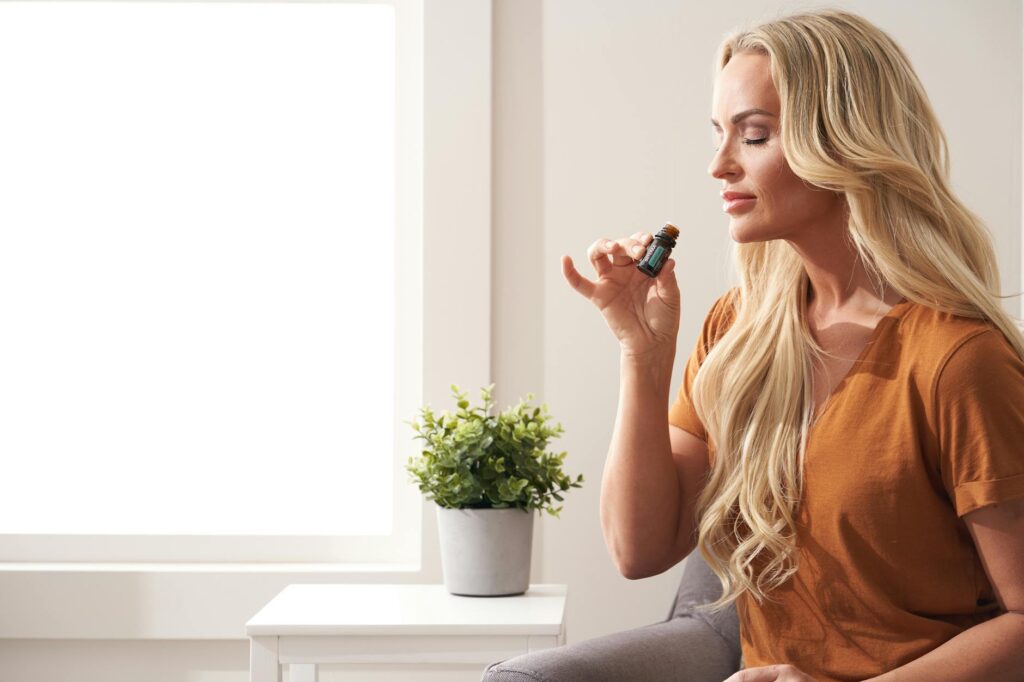
3. Inhalation: Inhaling the scent directly from the bottle or from a cotton ball can provide an immediate boost to energy levels.
4. Baths: Adding essential oils to a warm bath can create a relaxing and invigorating experience.
5. Massage: Incorporating energy balance blends into massage therapy can enhance relaxation and energy levels simultaneously.
Aromatherapy Applications
1. Diffusion
To diffuse essential oils, add a few drops of your energy balance blend to an essential oil diffuser. This method allows the aroma to fill a room, creating a serene environment conducive to relaxation, focus, or invigoration.
2. Topical Application
When applying essential oils directly to the skin, it is essential to dilute them with a carrier oil, such as jojoba, sweet almond, or coconut oil. A common dilution ratio is 2-3% essential oil to carrier oil (approximately 12-18 drops of essential oil per ounce of carrier oil). Apply the blend to pulse points or areas where tension is held.
3. Inhalation
For a quick energy boost, inhale your energy balance blend directly. Place a drop or two of the oil on a cotton ball or directly in your hands. Rub your palms together, cup them over your nose, and inhale deeply.
4. Bathing
For a rejuvenating bath, combine a few drops of your essential oil blend with a neutral carrier, such as unscented bath oil or Epsom salts. This will allow the oils to disperse in the water and create an uplifting atmosphere.
5. Massage
When used in massage, energy balance blends can enhance relaxation and revitalization. Dilute the essential oils with a carrier oil as mentioned earlier and incorporate them into your massage routine.
Safety Considerations
While aromatherapy is generally considered safe, certain precautions should be taken:
1. Skin Sensitivity: Always perform a patch test before applying essential oils topically. Apply a small amount of diluted oil to a small area of skin and wait for 24 hours to check for any adverse reactions.
2. Pregnancy and Nursing: Some essential oils may not be safe during pregnancy or breastfeeding. Always consult a healthcare professional if you have concerns.
3. Children and Pets: Certain essential oils can be harmful to children and pets. Ensure that oils used in the home are safe for all inhabitants.
4. Quality of Essential Oils: Use high-quality, pure essential oils from reputable sources. Synthetic fragrances or low-quality oils may not provide the desired benefits and could cause allergic reactions.
5. Medical Conditions: If you have any existing medical conditions or are taking medications, consult with a healthcare professional before incorporating essential oils into your routine.
Storage and Shelf Life
To maintain the integrity of essential oils, proper storage is essential:
1. Dark Glass Containers: Store essential oils in dark glass bottles to protect them from light, which can degrade their quality.
2. Cool, Dry Place: Keep oils in a cool, dry environment, away from direct sunlight and heat sources.
3. Shelf Life: While many essential oils have a long shelf life (typically 1-3 years), some oils may degrade faster. Citrus oils tend to have a shorter shelf life, while oils like sandalwood and patchouli can last longer.
4. Check for Changes: Regularly check your oils for changes in smell, color, or consistency. If any of these changes occur, it may be time to replace the oil.
Frequently Asked Questions
1. Can I create my own energy balance blend?
Yes, creating your own blends can be a rewarding experience. Start by selecting essential oils that resonate with you. Experiment with different combinations until you find a blend that suits your needs and preferences.
2. How often can I use energy balance blends?
The frequency of use can vary based on individual preference and sensitivity. Many people find benefit from using their blends several times a day, while others may prefer to use them as needed.
3. Are there any oils to avoid in energy balance blends?
While personal preferences vary, some essential oils may be more stimulating or calming than others. It’s important to consider your specific needs and sensitivities when selecting oils for energy balance blends.
4. Can I mix essential oils with other products?
Yes, essential oils can be blended with other natural products, such as lotions or shampoos. However, it is essential to ensure that the final product remains safe for application on the skin.
5. Where can I find quality essential oils?
Look for reputable brands that provide information about sourcing, purity, and testing of their products. Online reviews and recommendations can also guide you toward quality essential oils.
Conclusion
Aromatherapy offers a natural and holistic way to achieve energy balance through the use of essential oils. By understanding the benefits, common applications, and safety considerations, individuals can effectively integrate energy balance blends into their daily routines. Whether you seek to invigorate your senses, enhance focus, or promote relaxation, the world of aromatherapy holds a wealth of possibilities for personal well-being.