
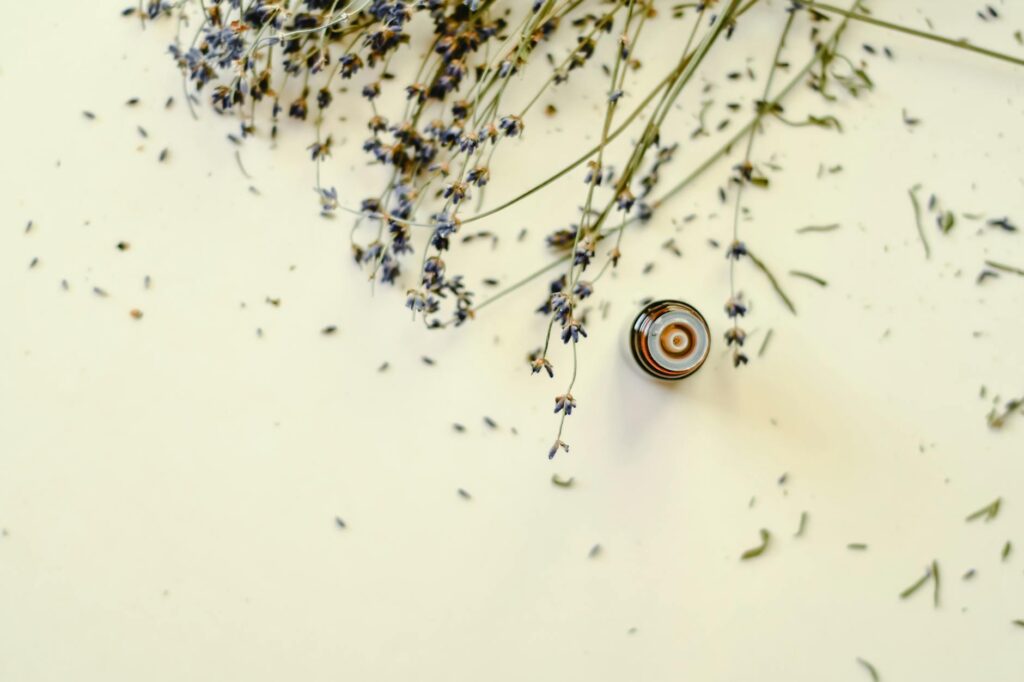
How to Use Aromatherapy for Focus and Concentration Blends
Introduction
Aromatherapy, the practice of using essential oils for therapeutic purposes, has gained popularity as a natural way to enhance mental clarity and concentration. In today’s fast-paced world, many individuals seek methods to improve their focus, whether for studying, working, or engaging in creative pursuits. This article explores how to effectively use aromatherapy for focus and concentration blends, including recommended oils, their benefits, and practical applications.
What Is Aromatherapy for Focus and Concentration Blends?
Aromatherapy for focus and concentration utilizes specific essential oils known for their stimulating or calming properties. These oils can help create an environment conducive to mental clarity and productivity. The practice involves inhaling the aromatic compounds of essential oils or applying them topically, often diluted with a carrier oil. The scents interact with the limbic system, which is responsible for emotions, potentially enhancing cognitive function and focus.
Key Benefits and Properties
Aromatherapy blends designed for focus and concentration can provide several benefits:
1. Enhanced Cognitive Function
Certain essential oils are believed to stimulate brain activity, leading to improved memory, clarity of thought, and overall cognitive function.
2. Mood Regulation
Aromatherapy can help regulate mood, reducing anxiety and stress, which often hinder concentration. Oils that promote relaxation can counteract feelings of overwhelm.
3. Increased Energy
Some essential oils have invigorating properties that can help combat fatigue and promote alertness, making them ideal for long work or study sessions.
4. Improved Environment
Using essential oils can create a pleasant and uplifting atmosphere, making spaces more conducive to productivity.
5. Natural Alternative
For those seeking non-pharmaceutical approaches to enhance focus, essential oils offer a natural alternative without the side effects associated with some medications.
Common Uses
Aromatherapy for focus and concentration can be employed in various settings, including:
- Home Offices: To create a productive work environment.
- Studying: To enhance retention and comprehension during study sessions.
- Creative Workspaces: To inspire creativity and innovative thinking.
- Meditation: To promote mindfulness and mental clarity.
- Peppermint: Known for its invigorating scent, it can enhance alertness and concentration.
- Lemon: Its bright scent is uplifting and can help improve mood and cognitive performance.
- Rosemary: Often associated with memory enhancement, it can promote mental clarity.
- 3 drops of Basil (known for its calming properties while boosting mental clarity)
- 2 drops of Cedarwood (helps in grounding and focusing)
- 5 ml of a carrier oil
- Room sprays: Combine essential oils with water and a small amount of alcohol in a spray bottle.
- Roller blends: Mix essential oils with a carrier oil in a roller bottle for easy application.
Aromatherapy Applications
There are multiple ways to use essential oils for focus and concentration:
1. Diffusion
Using a diffuser is one of the most popular methods of dispersing essential oils into the air. This method allows for a consistent and prolonged exposure to the aromatic compounds. Recommended oils for diffusion include:
2. Inhalation
For a quick boost, inhaling essential oils directly from the bottle or using an inhaler stick can provide immediate effects. Simply take a few deep breaths while holding the oil near your nose.
3. Topical Application
Diluting essential oils in a carrier oil (such as jojoba or coconut oil) allows for topical use. Common application points include wrists, temples, or the back of the neck. A recommended blend for topical application might include:
4. Bathing
Adding essential oils to a warm bath can provide a relaxing experience that enhances focus afterward. Combine oils such as Sandalwood for its calming effects alongside stimulating oils like Grapefruit.
5. DIY Products
Creating your own aromatherapy products can be engaging and personalized. Consider making:
Safety Considerations
When using essential oils, it is essential to observe safety precautions:
1. Dilution
Always dilute essential oils before applying them to the skin to avoid irritation. A general rule of thumb is to use a 1-2% dilution. This equates to approximately 6-12 drops of essential oil per ounce of carrier oil.
2. Allergies and Sensitivities
Conduct a patch test on a small area of skin prior to widespread use to check for allergic reactions or sensitivities.
3. Not for Everyone
Certain essential oils may not be suitable for pregnant women, infants, or individuals with specific health conditions. Always perform research or consult with knowledgeable sources regarding individual use.
4. Quality of Oils
Choose high-quality, pure essential oils from reputable sources. Avoid synthetic fragrances, as they do not offer the same benefits and may contain harmful chemicals.
Storage and Shelf Life
Proper storage of essential oils is crucial to maintain their efficacy. Store oils in a cool, dark place, away from direct sunlight and heat. Essential oils generally have a shelf life of 1-3 years, while some oils, like citrus, may have a shorter shelf life. Always check for changes in scent or consistency as indicators of spoilage.
Frequently Asked Questions
1. Can I mix different essential oils for focus?
Yes, blending different oils can create synergistic effects. Experiment with combinations to find what works best for you.
2. How often can I use aromatherapy for focus?
You can use aromatherapy as needed throughout the day. However, be mindful of overusing certain oils, as this may lead to olfactory fatigue, where your sense of smell becomes desensitized.
3. Are there specific times when aromatherapy is most effective?
Many find aromatherapy effective during periods of study or work that require concentration, such as early mornings or late nights when distractions may be higher.
4. What if I don’t like the scent of certain essential oils?
Personal preference plays a significant role in aromatherapy. If you dislike a specific scent, experiment with different oils until you find those that resonate with you.
5. Can aromatherapy replace traditional study methods?
Aromatherapy can enhance focus and concentration but should be used in conjunction with effective study techniques for optimal results.
Conclusion
Aromatherapy for focus and concentration blends offers a natural and enjoyable way to enhance mental clarity and productivity. By understanding the properties of different essential oils and how to apply them effectively, individuals can create a supportive environment for their cognitive tasks. Always prioritize safety and quality when using essential oils, and explore various methods to find what works best for your personal needs. With the right approach, aromatherapy can become an invaluable tool in your quest for improved focus and concentration.