
How to Use Aromatherapy for Grief Support Blends
Introduction
Grief is a natural response to loss, encompassing a wide range of emotions from sadness and anger to confusion and even relief. While the grieving process is deeply personal and varies from individual to individual, aromatherapy can serve as a gentle companion during this difficult time. By harnessing the power of essential oils, individuals can create blends that support emotional well-being and promote a sense of calm. This article explores the concept of aromatherapy for grief support blends, including their benefits, common uses, and safety considerations.
What Is Aromatherapy for Grief Support Blends?
Aromatherapy is the practice of using essential oils extracted from plants to enhance physical and emotional health. Essential oils are highly concentrated substances, each possessing unique properties that can influence mood and emotional states. Grief support blends specifically aim to help individuals navigate the emotional challenges associated with loss, providing comfort and solace through the therapeutic properties of essential oils.
These blends can be tailored to address individual feelings and responses to grief, making them a versatile tool for emotional support. Common essential oils used in grief support blends include lavender, bergamot, frankincense, and rose, each selected for their unique properties that may help ease emotional turmoil.
Key Benefits and Properties
Emotional Balance
Many essential oils used in grief support blends are known for their ability to help stabilize emotions. For example, lavender is renowned for its calming properties, which can help alleviate anxiety and promote relaxation.
Uplifting Properties
Certain essential oils can uplift the spirit and foster a sense of hope. Bergamot, for instance, is often used to combat feelings of sadness and despair, promoting a brighter outlook.
Grounding Effects
Essential oils like frankincense are associated with grounding and centering feelings, helping individuals feel more connected to themselves and the present moment.
Comfort and Nurturing
Rose oil is often associated with feelings of love and compassion. Its soothing fragrance may provide emotional comfort, making it an excellent choice for those grieving the loss of a loved one.
Enhancing Mindfulness
Incorporating aromatherapy into daily routines can promote mindfulness, encouraging individuals to take moments for themselves to breathe, reflect, and connect with their emotions.
Common Uses
Inhalation
Inhalation is one of the simplest methods of using essential oils for emotional support. Adding a few drops of essential oil to a diffuser or inhaling directly from the bottle can provide immediate emotional relief.
Topical Application
Essential oils can also be diluted with a carrier oil and applied to pulse points, such as the wrists or temples. This method allows for prolonged exposure to the oil’s therapeutic properties.
Bath Soaks
Adding essential oils to a warm bath can create a soothing environment that encourages relaxation and emotional release. This method combines the benefits of aromatherapy with the calming effects of warm water.
Meditation and Mindfulness Practices
Incorporating essential oils into meditation or mindfulness practices can enhance the experience, helping individuals focus on their feelings and promote emotional healing.
Aromatherapy Applications
DIY Grief Support Blends
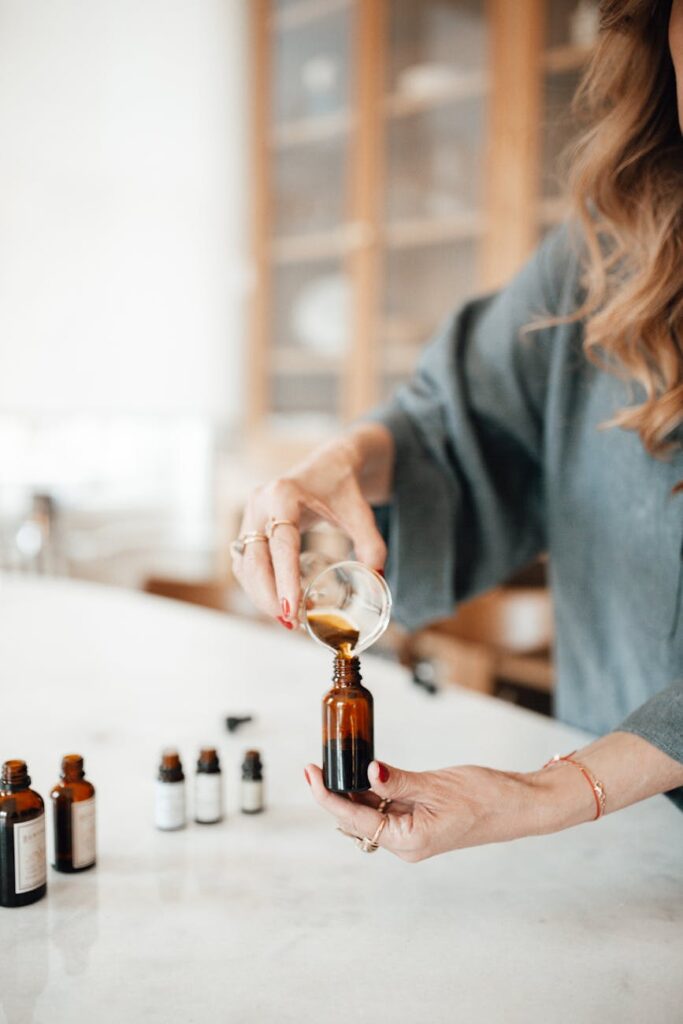
Creating personalized blends can enhance the effectiveness of aromatherapy for grief support. Here are a few sample blends:
Comforting Blend
- 3 drops Lavender
- 2 drops Bergamot
- 1 drop Frankincense
- 3 drops Bergamot
- 2 drops Sweet Orange
- 1 drop Ylang Ylang
- 3 drops Frankincense
- 2 drops Cedarwood
- 1 drop Vetiver
- Store them in a cool, dark place.
- Keep the caps tightly closed to prevent oxidation.
- Avoid storing oils in humid environments, such as bathrooms.
Combine these oils in a diffuser or dilute in a carrier oil for topical application. This blend may promote calmness and emotional balance.
Uplifting Blend
This bright and cheerful blend can be used in a diffuser or inhaled directly to uplift the spirits.
Grounding Blend
This grounding blend may help individuals feel more centered during turbulent emotional times.
Aroma Inhalers
Aroma inhalers are portable and convenient for on-the-go use. Simply add your chosen essential oil blend to an inhaler and carry it with you for quick emotional support throughout the day.
Scented Candles
Infusing candles with essential oils can create a soothing atmosphere. Be sure to use high-quality, natural candles that do not contain synthetic fragrances for the best experience.
Safety Considerations
While essential oils are generally safe, it is essential to follow certain guidelines when using them for emotional support:
Dilution
Essential oils are highly concentrated and should always be diluted with a carrier oil before topical application to avoid skin irritation.
Allergies and Sensitivities
Individuals should conduct a patch test before applying a new essential oil to the skin and consult with healthcare professionals if they have known allergies or sensitivities.
Quality of Essential Oils
Select high-quality, pure essential oils from reputable sources. Synthetic fragrances and low-quality oils may not provide the desired therapeutic benefits.
Consultation
While aromatherapy can be a supportive tool, it is essential to consult with a healthcare professional for any significant emotional distress or prolonged grief.
Storage and Shelf Life
Proper storage of essential oils is crucial to maintaining their potency and effectiveness. Keep oils in dark glass bottles, away from direct sunlight and heat. Most essential oils have a shelf life of 1 to 3 years, depending on the oil type. Citrus oils tend to have a shorter shelf life, while oils like sandalwood and patchouli can last longer.
To ensure the longevity of your essential oils:
Frequently Asked Questions
Can aromatherapy cure grief?
While aromatherapy can provide emotional support and comfort, it is not a cure for grief. It can be a valuable tool for managing emotions but should be used in conjunction with other forms of support, such as therapy or support groups.
How often can I use aromatherapy for grief support?
There is no set frequency for using aromatherapy. It can be incorporated into daily routines or used as needed during particularly challenging moments. Listen to your body and emotions to determine what feels right for you.
Are there any essential oils to avoid during grief?
While most essential oils are safe for general use, some individuals may find certain scents overwhelming or triggering. It’s essential to choose oils that resonate with you personally. If a particular oil causes discomfort, it’s best to avoid it.
Can children use aromatherapy for grief support?
Aromatherapy can be beneficial for children, but it is crucial to use essential oils specifically safe for their age group and to consult with a healthcare professional for guidance on appropriate oils and dilutions.
Where can I learn more about aromatherapy?
Many resources are available for those interested in learning more about aromatherapy, including books, online courses, and workshops. Joining local aromatherapy groups or networks can also provide valuable insights and support.
Conclusion
Aromatherapy can be a gentle and nurturing approach to supporting emotional well-being during times of grief. By exploring various essential oils and blends, individuals can find comfort and solace in their aromatic properties. While aromatherapy is not a substitute for professional help, it can be a valuable tool in navigating the complex emotions associated with loss. As always, listen to your body and emotions, and take the time you need to heal.