
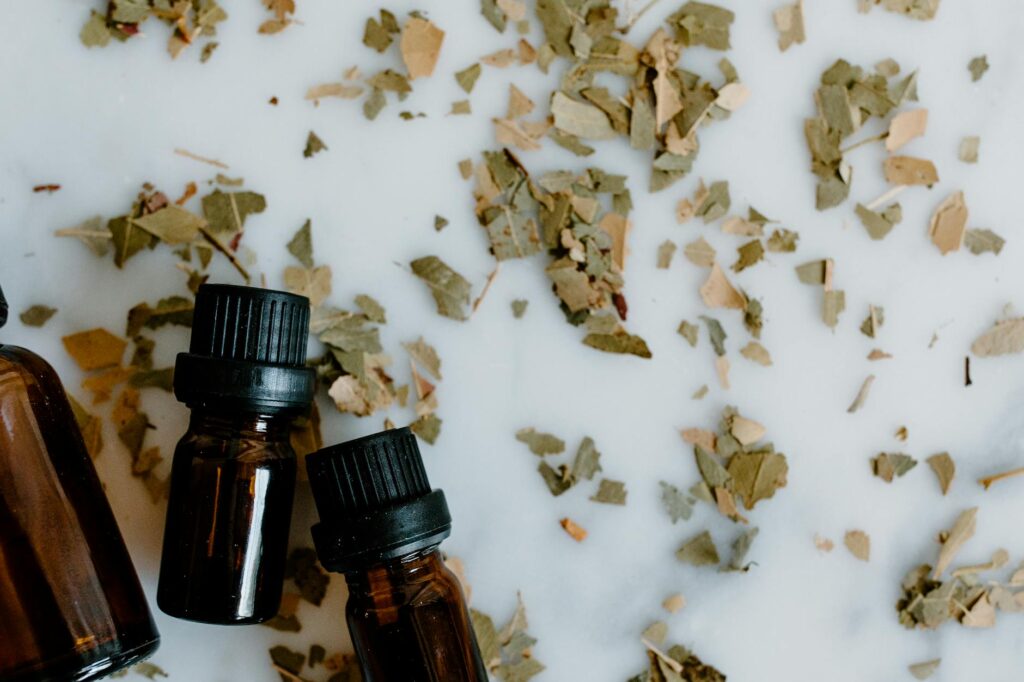
How to Use Aromatherapy for Hormonal Mood Swings Blends
Introduction
Hormonal fluctuations are a natural part of life, often influenced by factors such as menstruation, pregnancy, menopause, and stress. These changes can lead to mood swings, irritability, anxiety, and other emotional challenges. Aromatherapy, the therapeutic use of essential oils, offers a holistic approach to managing these emotional ups and downs. This article explores how to effectively use aromatherapy for hormonal mood swings, delving into the beneficial properties of various essential oils, their applications, and safety considerations.
What Is Aromatherapy for Hormonal Mood Swings Blends?
Aromatherapy involves the use of essential oils extracted from plants to promote physical and emotional well-being. For hormonal mood swings, specific blends of essential oils can be designed to help stabilize emotions, reduce anxiety, and enhance mood. These blends harness the powerful properties of essential oils, which can influence the brain’s limbic system, the area responsible for emotions and memories.
Key Benefits and Properties
The essential oils used in aromatherapy for hormonal mood swings possess various properties beneficial for emotional balance. Some of the key benefits include:
1. Mood Enhancement
- Lavender: Known for its calming effects, lavender can help reduce anxiety and promote relaxation.
- Bergamot: Often used for its uplifting qualities, bergamot can help alleviate feelings of sadness and stress.
- Frankincense: This oil is reputed for its grounding properties and can help lower stress levels.
- Ylang Ylang: Known to balance emotions, this floral-scented oil can help reduce tension and anxiety.
- Clary Sage: This oil may help alleviate feelings of moodiness and promote emotional stability.
- Geranium: Often used for its balancing effects, geranium can help regulate mood swings.
- Chamomile: With its soothing aroma, chamomile can aid in relaxation and improve sleep quality.
- Patchouli: This earthy scent is known for its calming properties and ability to ground emotions.
- Using an essential oil diffuser can disperse the aroma throughout a room, creating a calming atmosphere conducive to emotional balance.
- Inhaling essential oils directly from the bottle or from a tissue can provide quick relief during moments of emotional distress.
- When diluted with a carrier oil, essential oils can be applied to pulse points or areas of tension for localized relief.
- Adding essential oils to a warm bath can create a soothing environment, promoting relaxation and easing mood swings.
- Incorporating essential oils into a massage routine can enhance emotional and physical well-being.
- Calming Blend:
- 3 drops Lavender
- 2 drops Bergamot
- 2 drops Frankincense
- Dilute in 10 ml of carrier oil (e.g., sweet almond or jojoba)
- Uplifting Blend:
- 3 drops Ylang Ylang
- 3 drops Clary Sage
- 2 drops Geranium
- Dilute in 10 ml of carrier oil
- Relaxation Bath Blend:
- 4 drops Chamomile
- 3 drops Patchouli
- 2 drops Lavender
- Mix with a carrier such as coconut milk or Epsom salt before adding to warm bathwater.
2. Stress Reduction
3. Emotional Balance
4. Relaxation and Sleep Support
Common Uses
Aromatherapy blends for hormonal mood swings can be used in a variety of ways:
1. Diffusion
2. Inhalation
3. Topical Application
4. Bathing
5. Massage
Aromatherapy Applications
Creating Your Own Blends
To create an effective blend for hormonal mood swings, consider the following ratios and combinations:
Using Diffusers and Inhalers
For diffusers, add the recommended number of drops per the manufacturer’s instructions, usually between 5 to 10 drops. For inhalers, place a few drops of your chosen essential oil blend on a cotton wick inside an inhaler for on-the-go relief.
Topical Applications
When applying topically, always dilute essential oils with a carrier oil. A general rule of thumb is to use a 2% dilution for adult applications, which translates to about 12 drops of essential oil per ounce of carrier oil. Patch test on a small area of skin to check for any adverse reactions.
Safety Considerations
While aromatherapy is generally considered safe, it is essential to take certain precautions:
1. Patch Test: Always conduct a patch test before using a new essential oil blend to check for any allergic reactions.
2. Dilution: Essential oils should never be applied directly to the skin without proper dilution in a carrier oil.
3. Pregnancy and Nursing: Certain essential oils may not be safe during pregnancy or nursing. Consultation with a qualified professional is advisable.
4. Children and Pets: Some oils can be harmful to children and pets. Ensure to research or consult guidelines specific to their safety.
5. Medical Conditions: If you have any existing health conditions or are on medication, consult with a healthcare professional before using essential oils.
Storage and Shelf Life
Proper storage of essential oils is crucial for maintaining their potency and effectiveness. Here are some guidelines:
1. Cool, Dark Place: Store essential oils in a cool, dark environment, away from direct sunlight and heat sources.
2. Tightly Sealed: Ensure that bottles are tightly sealed to prevent oxidation and evaporation.
3. Shelf Life: The shelf life of essential oils varies, but most have a shelf life of 1 to 3 years. Citrus oils tend to have a shorter shelf life, while oils like sandalwood can last much longer.
Frequently Asked Questions
Can I use essential oils during my menstrual cycle?
Yes, many individuals find relief from mood swings and emotional discomfort during their menstrual cycle with the right essential oils.
How often can I use aromatherapy for mood swings?
You can use aromatherapy as often as needed. However, it’s important to pay attention to how your body reacts and adjust usage accordingly.
Are there specific oils to avoid if I have hormonal imbalances?
While many essential oils are beneficial, it is advisable to avoid certain oils that might exacerbate hormonal imbalances, such as those with strong hormonal properties. Always do thorough research or consult with a professional.
Can I use aromatherapy alongside traditional treatments?
Aromatherapy can complement traditional treatments but should not replace any prescribed medications. Always consult with a healthcare provider for guidance.
How do I choose the right essential oils for my needs?
Selecting essential oils is a personal choice and may depend on individual preferences and reactions. Experiment with different oils to find what resonates best with you.
Conclusion
Aromatherapy can serve as a supportive tool for those experiencing hormonal mood swings. By understanding the properties of various essential oils and how to use them safely and effectively, individuals can create personalized blends that promote emotional balance and well-being. As you explore the world of aromatherapy, remember to approach it with curiosity and care, allowing the natural scents of essential oils to enhance your emotional landscape.