
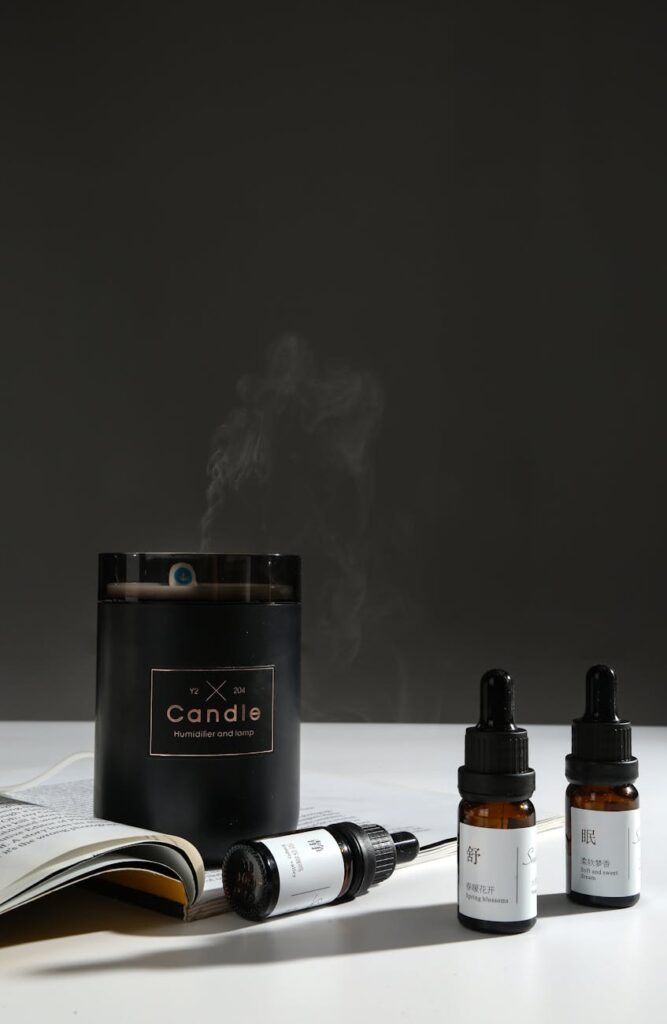
How to Use Aromatherapy for Meditation Enhancement Blends
Introduction
Aromatherapy, the practice of using essential oils extracted from plants to promote physical and psychological well-being, has garnered significant attention in recent years. Among its many applications, one of the most effective uses is in enhancing meditation practices. The right blend of essential oils can create an atmosphere conducive to relaxation, focus, and introspection, elevating the overall experience of meditation. This article explores how to utilize aromatherapy to enhance your meditation sessions, detailing various blends, benefits, and safety considerations.
What Is Aromatherapy for Meditation Enhancement Blends?
Aromatherapy for meditation enhancement blends involves utilizing specific essential oils known for their calming, grounding, or uplifting properties to support and deepen meditation practices. Essential oils are concentrated plant extracts that capture the plant’s natural scent and therapeutic qualities. When used in conjunction with meditation, these oils can help create a sensory environment that encourages relaxation, mental clarity, and emotional balance.
The practice is rooted in ancient traditions, where scents were believed to impact mood and consciousness. By integrating essential oils into meditation routines, practitioners can harness the power of scent to enhance their experience, making meditation more accessible and effective.
Key Benefits and Properties
The benefits of using aromatherapy for meditation are multifaceted, impacting both the mind and body. Some key benefits include:
1. Enhanced Relaxation: Many essential oils have calming effects that can reduce stress and anxiety, making it easier to enter a meditative state.
2. Improved Focus: Certain oils can help sharpen concentration, allowing practitioners to maintain mindfulness during meditation sessions.
3. Emotional Balance: The use of specific scents can evoke emotions and memories, providing an avenue for emotional release and healing.
4. Deepened Spiritual Connection: Many practitioners find that certain scents enhance their spiritual practices, helping to foster a deeper connection to their inner selves.
5. Ritualistic Benefits: Incorporating scents into meditation can create a ritualistic aspect that signals the mind and body to prepare for meditation.
Common essential oils used in meditation enhancement blends include lavender, frankincense, sandalwood, and bergamot, each possessing unique properties that contribute to the meditation experience.
Common Uses
The ways to incorporate aromatherapy into meditation practices are varied and can be tailored to individual preferences and needs. Here are some common uses:
1. Diffusion: Using a diffuser to disperse essential oils into the air creates a fragrant environment conducive to meditation. This method allows for even distribution of scent in a room.
2. Topical Application: Diluting essential oils with a carrier oil (such as coconut or jojoba oil) and applying them to pulse points or the body can enhance the meditation experience through direct skin absorption.
3. Inhalation: Direct inhalation of essential oils from the bottle or a cotton ball can provide quick access to their benefits. This method is particularly useful for on-the-go meditation.
4. Bathing: Adding essential oils to a warm bath can create a serene atmosphere, perfect for meditative practices prior to a seated session.
5. Meditation Candles: Scented candles made with essential oils can enhance the ambiance of a meditation space, fostering relaxation and focus.
Aromatherapy Applications
Here are some specific aromatherapy blends tailored for meditation enhancement:
Calming Blend
- Ingredients: Lavender, chamomile, and Ylang Ylang
- Properties: Promotes relaxation and reduces anxiety.
- Ingredients: Frankincense, cedarwood, and patchouli
- Properties: Helps to center the mind and body, fostering a sense of stability.
- Ingredients: Bergamot, sweet orange, and lemon
- Properties: Elevates mood and promotes positive energy, ideal for meditative practices focused on gratitude.
- Ingredients: Peppermint, rosemary, and eucalyptus
- Properties: Enhances mental clarity and focus, making it easier to stay present during meditation.
- Ingredients: Geranium, clary sage, and vetiver
- Properties: Supports emotional balance and promotes a sense of well-being.
Grounding Blend
Uplifting Blend
Clarity Blend
Balance Blend
These blends can be used in various applications, such as diffusion or topical application, depending on the desired effect.
Safety Considerations
While essential oils offer numerous benefits, it’s essential to approach their use with caution. Here are some key safety tips:
1. Dilution: Always dilute essential oils with a carrier oil before applying them to the skin to avoid irritation. A common ratio is 2-3 drops of essential oil per teaspoon of carrier oil.
2. Patch Testing: Conduct a patch test on a small area of skin to check for any allergic reactions before using a new oil extensively.
3. Quality Matters: Use high-quality, pure essential oils sourced from reputable suppliers. Adulterated oils can diminish therapeutic benefits and may cause adverse reactions.
4. Consultation: If you are pregnant, nursing, or have pre-existing health conditions, consult with a qualified professional before using essential oils.
5. Avoid Ingestion: Essential oils are highly concentrated and should not be ingested unless under the guidance of a qualified healthcare professional.
Storage and Shelf Life
Proper storage of essential oils is crucial for maintaining their potency and effectiveness. Here are some guidelines:
1. Cool, Dark Place: Store essential oils in a cool, dark area away from heat and sunlight. Exposure to light and heat can degrade their quality.
2. Tightly Sealed Containers: Keep oils in tightly sealed, dark glass bottles to minimize air exposure, which can also impact their shelf life.
3. Shelf Life: The shelf life of essential oils varies depending on the type. Citrus oils tend to have a shorter lifespan (1-2 years), while woody oils may last longer (up to 5 years). Check specific guidelines for each oil to ensure optimal use.
Frequently Asked Questions
Can anyone use aromatherapy for meditation?
Yes, aromatherapy can be beneficial for most people. However, individuals with allergies or sensitivities should exercise caution and consult with a healthcare professional if unsure.
How do I choose the right essential oils for meditation?
Selecting essential oils should be based on personal preferences and desired effects. Experimenting with different scents can help you find blends that resonate with your meditation practice.
How often can I use aromatherapy during meditation?
You can use aromatherapy as often as you meditate. Regular use can enhance the benefits over time, helping to create a consistent and comforting environment for your practice.
Are there any essential oils to avoid during meditation?
While many essential oils can enhance meditation, some may be too stimulating or distracting. Oils like cinnamon or clove may be too intense for a calming practice, so it’s best to use them cautiously.
Can I create my own blends?
Absolutely! Creating custom blends based on your preferences and desired effects can be a rewarding aspect of using aromatherapy for meditation. Start with a few oils you enjoy, and experiment with different ratios to find the perfect combination.
Conclusion
Aromatherapy can be a powerful tool for enhancing meditation practices. By incorporating essential oils into your routine, you can create a supportive environment that fosters relaxation, focus, and emotional balance. With an array of blends to choose from and a few safety considerations in mind, you can enrich your meditation experience and deepen your connection with yourself. Whether you’re a seasoned practitioner or new to meditation, exploring aromatherapy can open new pathways to inner peace and mindfulness.