
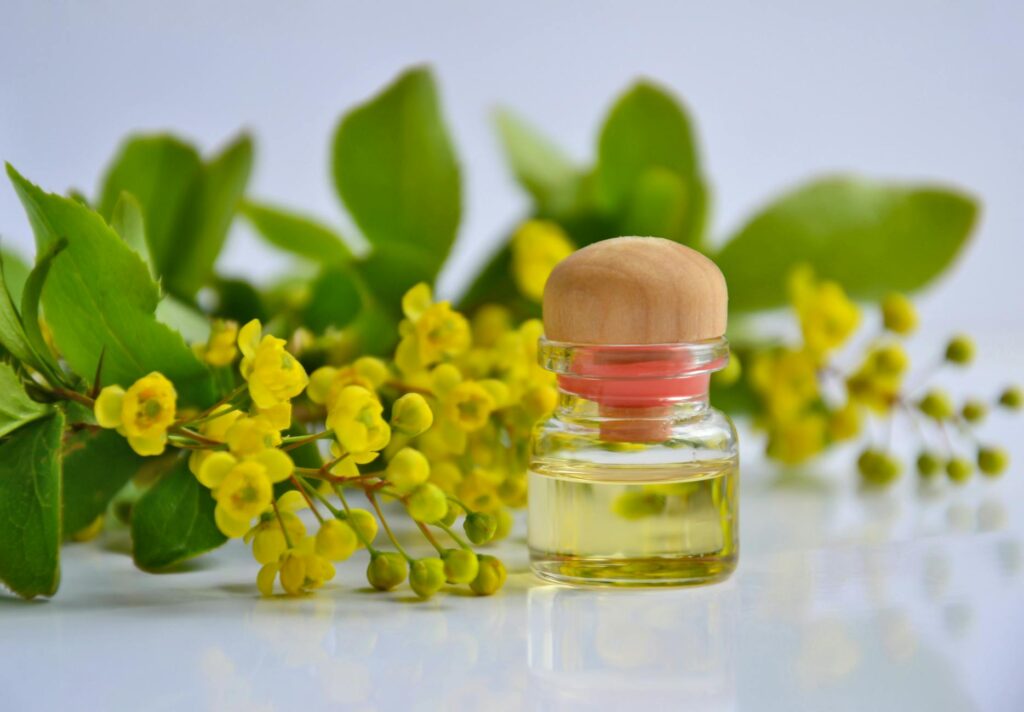
How to Use Aromatherapy for Memory Enhancement Blends
Introduction
Aromatherapy, a holistic practice that employs essential oils derived from plants, has gained popularity for its potential to enhance mental clarity and cognitive function. As more individuals seek natural methods to boost memory and concentration, understanding how specific essential oils can support these cognitive processes is essential. This article explores the concept of aromatherapy for memory enhancement blends, detailing their benefits, common uses, applications, and safety considerations.
What Is Aromatherapy for Memory Enhancement Blends?
Aromatherapy utilizes the inhalation or topical application of essential oils to promote physical and psychological well-being. Memory enhancement blends typically consist of essential oils that have been studied for their potential cognitive benefits. These blends can vary in composition but often include oils known for their stimulating, uplifting, or calming effects.
Some common essential oils used in memory enhancement blends are:
- Rosemary: Often associated with improved memory and mental clarity.
- Peppermint: Known for its invigorating aroma, which can help in enhancing alertness.
- Lemon: A bright, refreshing scent that may boost mood and cognitive function.
- Sage: Traditionally linked with wisdom, sage may contribute to cognitive enhancement.
- Basil: Its fresh scent can help reduce mental fatigue and improve focus.
- Cognitive Stimulation: Certain essential oils are believed to stimulate brain activity, which may enhance concentration and memory recall.
- Stress Reduction: Aromatherapy can help reduce stress and anxiety, creating an optimal environment for learning and memory retention.
- Mood Enhancement: Uplifting scents can improve overall mood, which in turn may enhance cognitive function and memory.
- Increased Alertness: Certain oils may help in increasing alertness and reducing mental fatigue, allowing for better focus during tasks requiring cognitive effort.
- Study and Work Environments: Diffusing memory-enhancing blends in study or office spaces can create a conducive atmosphere for concentration and creativity.
- Meditation and Mindfulness Practices: Incorporating essential oils into meditation routines may enhance mental clarity and focus.
- Daily Routines: Adding a few drops of essential oils to personal care items or using them during daily activities can provide a consistent cognitive boost.
- Before Important Tasks: Using memory-enhancing blends before exams, presentations, or creative projects may help individuals perform at their best.
- Dilution: Always dilute essential oils in a carrier oil before topical application to avoid skin irritation.
- Patch Test: Conduct a patch test by applying a small amount of the diluted oil to an inconspicuous area of skin to check for allergic reactions.
- Pregnancy and Medical Conditions: Pregnant individuals or those with certain medical conditions should consult with a qualified professional before using essential oils.
- Quality of Oils: Use high-quality, pure essential oils from reputable sources to ensure safety and efficacy.
- Avoid Ingestion: Essential oils should not be ingested unless under the guidance of a healthcare provider.
- Dark Glass Containers: Store essential oils in dark glass bottles to protect them from light, which can degrade the oils.
- Cool, Dry Place: Keep oils in a cool, dry environment, away from direct sunlight and heat sources.
- Seal Tightly: Ensure that bottles are tightly sealed when not in use to prevent oxidation.
These essential oils can be combined to create synergistic blends that may support memory enhancement and cognitive function.
Key Benefits and Properties
The use of aromatherapy for memory enhancement offers several potential benefits:
Common Uses
Aromatherapy for memory enhancement can be employed in various settings and scenarios, including:
Aromatherapy Applications
There are several effective methods to incorporate aromatherapy into daily routines for memory enhancement:
1. Diffusion
Using an essential oil diffuser is one of the most popular methods for dispersing aromas into the air. Simply add water and a few drops of your chosen memory enhancement blend to the diffuser, and allow the scent to fill the room. This method is particularly effective in shared spaces or during study sessions.
2. Inhalation
For immediate benefits, inhaling essential oils directly from the bottle or from a cotton ball can provide rapid cognitive stimulation. Place a few drops of the blend on a cotton ball and keep it nearby, inhaling deeply when needed.
3. Topical Application
Diluting essential oils with a carrier oil (such as coconut, jojoba, or almond oil) allows for safe topical application. Apply the blend to pulse points, such as wrists or behind the ears, for a subtle yet effective way to benefit from the oils throughout the day. Always conduct a patch test to ensure there is no adverse reaction.
4. Bathing
Adding essential oils to a warm bath can create a relaxing atmosphere that facilitates mental clarity. Combine a few drops of your chosen blend with a carrier oil or bath salts and disperse it in warm water.
5. Aromatherapy Jewelry
Wearing jewelry designed to hold essential oils, such as necklaces or bracelets with lava stones, allows for continuous exposure to the aroma. This method offers a portable option for enhancing memory and focus throughout the day.
Safety Considerations
While aromatherapy is generally considered safe, it is essential to adhere to specific safety guidelines:
Storage and Shelf Life
Proper storage of essential oils is crucial for maintaining their potency and effectiveness. Here are some guidelines:
The shelf life of essential oils varies by type, but most oils can last from 1 to 5 years when stored correctly. Citrus oils tend to have a shorter shelf life, while oils like patchouli and sandalwood may improve with age.
Frequently Asked Questions
1. Can anyone use aromatherapy for memory enhancement?
Generally, most individuals can benefit from aromatherapy; however, those with specific medical conditions or pregnant individuals should consult a healthcare professional before use.
2. How often should I use memory enhancement blends?
The frequency of use depends on personal preference. Some individuals may benefit from daily use, while others may find occasional application sufficient.
3. What are the best essential oils for memory enhancement?
Commonly used essential oils for memory enhancement include rosemary, peppermint, lemon, sage, and basil. Blending these oils can create synergistic effects.
4. Can aromatherapy replace other memory-enhancing strategies?
Aromatherapy can be a complementary approach but should not replace established memory-enhancing strategies, such as a healthy diet, regular exercise, and mental exercises.
5. Are there any side effects associated with aromatherapy?
While rare, some individuals may experience allergic reactions or skin irritation. Always perform a patch test and consult a professional if adverse reactions occur.
Conclusion
Aromatherapy offers a natural approach to potentially enhancing memory and cognitive function through the use of thoughtfully composed essential oil blends. By understanding the benefits, common uses, and application methods, individuals can incorporate aromatherapy into their daily routines. As with any holistic practice, it is essential to prioritize safety and quality while exploring the world of essential oils for memory enhancement.