
How to Use Aromatherapy for Mindfulness in Daily Life Blends
Introduction
Aromatherapy, the practice of using essential oils derived from plants, has gained recognition for its potential benefits in enhancing well-being, particularly in the realm of mindfulness. Mindfulness, the practice of being present and fully engaged in the moment, can be enriched through the incorporation of aromatic scents into daily routines. This article explores the art of blending essential oils for mindfulness, highlighting its benefits, applications, and practical tips for safe use.
What Is Aromatherapy for Mindfulness in Daily Life Blends?
Aromatherapy for mindfulness involves the intentional use of essential oils to promote relaxation, enhance focus, and foster a sense of calm. By engaging with the olfactory senses, individuals can create a supportive environment for mindfulness practices such as meditation, yoga, or even simple daily tasks. The scents evoke emotional responses, which can facilitate a deeper connection to the present moment.
Mindfulness blends typically incorporate a variety of essential oils known for their grounding, uplifting, or calming properties. Each blend can be tailored to individual preferences and needs, making aromatherapy a versatile tool in the journey toward mindfulness.
Key Benefits and Properties
The benefits of using aromatherapy for mindfulness are manifold:
1. Emotional Well-Being: Essential oils can influence mood and emotional health. For example, citrus oils like bergamot and sweet orange are known for their uplifting properties, while lavender is often associated with tranquility.
2. Enhanced Focus: Scents such as rosemary and peppermint may aid concentration and mental clarity, making them ideal for tasks requiring sustained attention.
3. Stress Reduction: Many essential oils possess calming properties that can help alleviate feelings of stress and anxiety. Oils like chamomile and frankincense are particularly noted for their soothing effects.
4. Improved Sleep: Incorporating calming oils into evening routines can promote relaxation and improve sleep quality. Lavender, cedarwood, and ylang-ylang are popular choices for bedtime blends.
5. Physical Sensation: The inhalation of essential oils can provide sensory pleasure, enhancing the overall mindfulness experience. The act of breathing in a calming scent can serve as an anchor for present-moment awareness.
Common Uses
Aromatherapy blends can be utilized in various contexts to support mindfulness:
- Meditation: Diffusing calming oils during meditation can deepen the experience, helping to clear distractions and enhance focus.
- Breathing Exercises: Incorporating essential oils into breathing practices can create a sensory anchor, making it easier to return to the breath when the mind wanders.
- Yoga: Using oils in a diffuser or applying diluted oils to pulse points can create a soothing atmosphere for yoga practice.
- Daily Routines: Adding essential oils to baths, skincare routines, or household cleaning products can turn ordinary tasks into mindful experiences.
- Dilution: Always dilute essential oils with a carrier oil before applying them to the skin to prevent irritation.
- Patch Test: Conduct a small patch test on the skin to check for any allergic reactions before widespread use.
- Quality of Oils: Use high-quality, pure essential oils from reputable sources to ensure safety and efficacy. Avoid synthetic additives or fragrances.
- Pregnancy and Health Conditions: Certain essential oils may not be suitable for pregnant individuals or those with specific health conditions. It’s advisable to consult with a qualified expert for guidance.
- Children and Pets: Some essential oils can be harmful to children and pets. Research which oils are safe to use around them.
- Cool, Dark Place: Store oils in a cool, dark environment away from direct sunlight and heat sources.
- Tightly Sealed Containers: Keep essential oils in tightly sealed, dark glass bottles to prevent oxidation and degradation.
- Shelf Life: Most essential oils have a shelf life of 1-3 years, depending on the type. Citrus oils tend to have shorter shelf lives compared to resinous oils. Regularly check for any changes in aroma or consistency.
Aromatherapy Applications
There are several methods for incorporating essential oils into daily life to promote mindfulness:
Diffusion
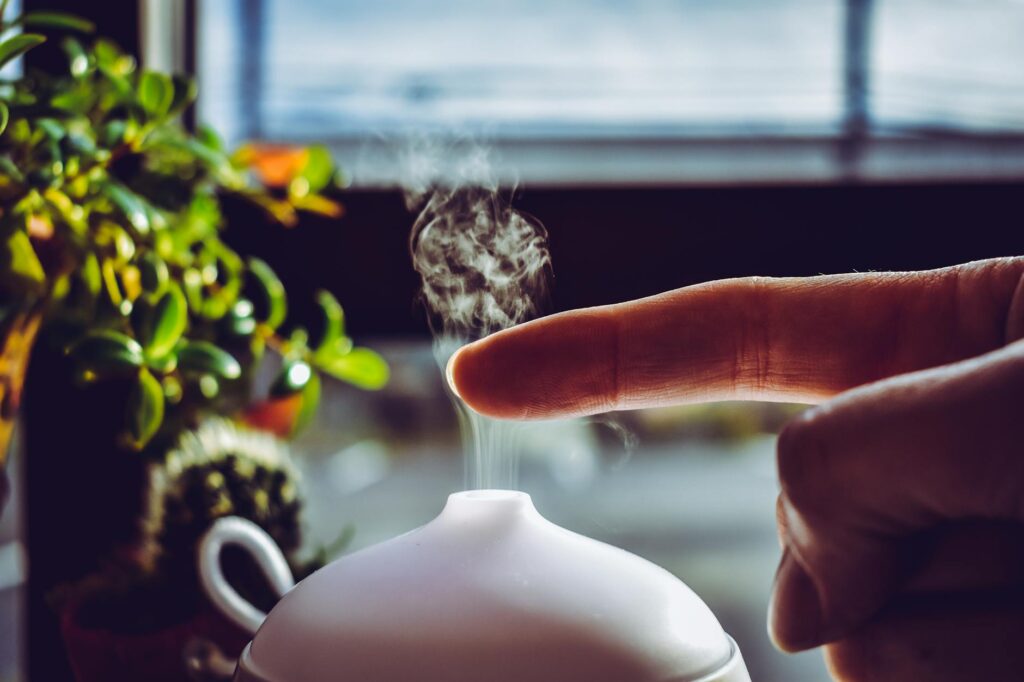
Using an essential oil diffuser is one of the most popular methods. Diffusers disperse the oils into the air, allowing for a gentle and continuous release of fragrance. This method is ideal for creating a calming atmosphere in any space.
Inhalation
Direct inhalation of essential oils can be achieved by placing a few drops on a cotton ball or tissue and breathing in deeply. This method allows for immediate access to the aroma and can be particularly effective during stressful moments.
Topical Application
Diluting essential oils in a carrier oil (such as jojoba or sweet almond oil) and applying them to pulse points (wrists, temples, or neck) can provide both aromatic and physical benefits. Always ensure the essential oil is properly diluted to avoid skin irritation.
Bathing
Adding a few drops of essential oils to bathwater can create a luxurious and relaxing experience. Oils such as lavender and chamomile are particularly soothing when used in baths.
Massage
Incorporating essential oils into massage blends can enhance relaxation and mindfulness during the massage process. This method combines the benefits of touch with aromatherapy.
Safety Considerations
While aromatherapy is generally considered safe, there are essential precautions to observe:
Storage and Shelf Life
Proper storage of essential oils is essential to maintain their potency and effectiveness. Follow these guidelines:
Frequently Asked Questions
1. Can I mix different essential oils together for a mindfulness blend?
Yes, blending different essential oils can create a unique aromatic experience tailored to your preferences. Some popular combinations include lavender and bergamot for relaxation or peppermint and rosemary for focus.
2. How can I incorporate aromatherapy into my meditation practice?
Consider diffusing calming essential oils during your meditation sessions or applying diluted oils to your wrists and temples before you begin. This sensory experience can enhance your ability to focus and remain present.
3. Are there any essential oils that should be avoided during pregnancy?
Yes, certain essential oils, such as rosemary and sage, are often advised against during pregnancy. Always consult a qualified practitioner for personalized recommendations.
4. How often can I use essential oils for mindfulness?
Essential oils can be used daily; however, it’s essential to listen to your body and adjust usage based on individual responses. If you notice any adverse effects, reduce usage or discontinue altogether.
5. Can aromatherapy help with anxiety and stress?
Many individuals report that aromatherapy helps to alleviate feelings of anxiety and stress. While it is not a substitute for professional treatment, it can serve as a complementary practice for promoting relaxation.
—
Incorporating aromatherapy into daily life can be a transformative practice that enhances mindfulness and emotional well-being. By understanding the properties of different essential oils and their applications, individuals can create personalized blends that resonate with their unique journeys. Always prioritize safety and quality, and enjoy the sensory experience that aromatherapy brings to the art of mindfulness.