
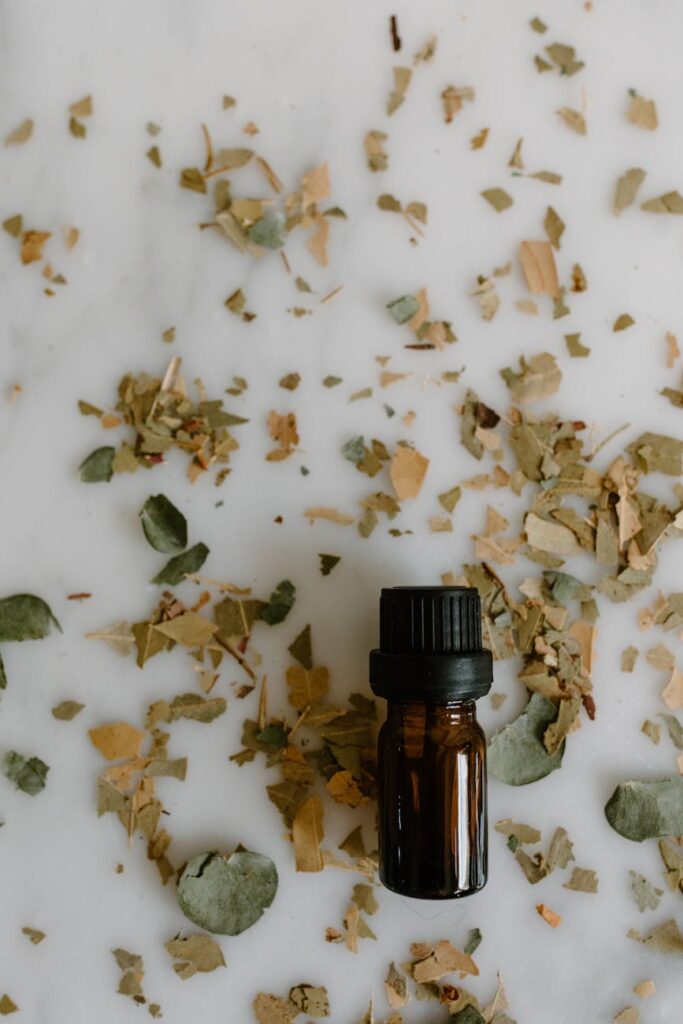
How to Use Aromatherapy for Mood Disorders Blends
Introduction
Aromatherapy, a holistic healing practice that utilizes essential oils extracted from plants, has gained recognition for its potential benefits in enhancing emotional well-being. Among its diverse applications, using essential oils to address mood disorders has emerged as a popular area of interest. This article will explore the intricacies of aromatherapy blends designed for mood enhancement, providing insights into their properties, benefits, and practical applications.
What Is Aromatherapy for Mood Disorders Blends?
Aromatherapy for mood disorders blends refers to the specific combinations of essential oils formulated to promote emotional balance and support mental health. These blends are crafted with the intention of alleviating symptoms associated with mood disorders such as anxiety, depression, and stress. Essential oils possess various characteristics that can influence mood and emotional states, making them valuable tools in holistic approaches to mental wellness.
Key Benefits and Properties
The essential oils used in aromatherapy blends for mood disorders possess unique properties that contribute to their efficacy. Here are some of the key benefits:
1. Emotional Balancing: Many essential oils are known for their calming effects. Oils such as lavender and chamomile can help soothe feelings of anxiety and promote relaxation.
2. Mood Elevation: Citrus oils like bergamot and sweet orange are often used to uplift spirits and alleviate feelings of sadness or lethargy.
3. Stress Relief: Oils such as frankincense and ylang-ylang can reduce stress levels and promote a sense of tranquility.
4. Sleep Enhancement: Blends containing oils like cedarwood and vetiver may improve sleep quality, which is often disrupted by mood disorders.
5. Focus and Clarity: Certain oils, including rosemary and peppermint, can enhance cognitive function and mental clarity, helping individuals feel more grounded.
Common Uses
Aromatherapy blends for mood disorders can be employed in various settings and ways, depending on individual preferences and needs. Here are some common uses:
1. Diffusion: One of the most popular methods, diffusion involves dispersing essential oils into the air using a diffuser. This method allows for a gentle and continuous release of aromatic compounds.
2. Inhalation: Direct inhalation of essential oils from a bottle or a personal inhaler can provide immediate effects, making it a convenient option for on-the-go relief.
3. Topical Application: Blending essential oils with carrier oils can create topical applications for massage or localized relief.
4. Bathing: Adding essential oils to bathwater can create a relaxing and soothing environment, enhancing the overall experience.
5. Room Sprays: Crafting a room spray with essential oils can freshen up indoor spaces while promoting a positive atmosphere.
Aromatherapy Applications
Blending Essential Oils
Creating effective aromatherapy blends for mood disorders involves understanding the complementary properties of different essential oils. Here are a few suggested blends:
1. Calming Blend:
- Lavender (Lavandula angustifolia) – 5 drops
- Bergamot (Citrus bergamia) – 3 drops
- Frankincense (Boswellia carterii) – 2 drops
- Sweet Orange (Citrus sinensis) – 6 drops
- Ylang-Ylang (Cananga odorata) – 2 drops
- Clary Sage (Salvia sclarea) – 2 drops
- Rosemary (Rosmarinus officinalis) – 4 drops
- Peppermint (Mentha piperita) – 3 drops
- Lemon (Citrus limon) – 3 drops
- Diffuser Method: Add the essential oil blend to a diffuser according to the manufacturer’s instructions. This method is particularly effective in larger spaces.
- Inhalation Method: Place a few drops of the essential oil blend onto a cotton ball or tissue and inhale deeply for instant mood enhancement.
- Topical Method: Dilute essential oils in a carrier oil (such as jojoba, sweet almond, or coconut oil) before applying to pulse points like wrists and behind the ears. A common dilution ratio is 2-3% essential oil to carrier oil.
- Bath Method: Combine essential oils with an emulsifier (like milk or honey) to disperse them in bathwater. This method can enhance relaxation and provide a soothing experience.
- Containers: Store essential oils in dark glass bottles to protect them from light exposure, which can degrade their quality.
- Temperature: Keep oils in a cool environment, ideally between 60°F and 70°F (15°C to 21°C).
- Shelf Life: The shelf life of essential oils varies; citrus oils may last 1-2 years, while heavier oils like sandalwood can last for several years. Regularly check for changes in scent or viscosity, which may indicate that an oil has expired.
This blend can be used in a diffuser or diluted in a carrier oil for topical application. It is designed to promote relaxation and reduce feelings of anxiety.
2. Uplifting Blend:
This combination is ideal for alleviating feelings of sadness and promoting a more positive outlook.
3. Focus and Clarity Blend:
This blend can help improve concentration and mental clarity, beneficial for those facing overwhelming tasks.
Application Techniques
Safety Considerations
While aromatherapy can be a beneficial practice, safety is paramount. Here are important considerations:
1. Dilution: Always dilute essential oils with a carrier oil before topical application to minimize the risk of skin irritation.
2. Patch Test: Conduct a patch test on a small area of skin to check for allergic reactions before widespread use.
3. Pregnancy and Nursing: Some essential oils should be avoided during pregnancy or breastfeeding. Consult a knowledgeable source to determine safe options.
4. Children and Pets: Use caution when using essential oils around children and pets, as certain oils can be harmful to them. Always research guidelines specific to age and species.
5. Storage: Keep essential oils in a cool, dark place, away from direct sunlight. Proper storage can help maintain their potency and safety.
Storage and Shelf Life
Proper storage of essential oils is crucial for preserving their therapeutic properties. Here are some tips:
Frequently Asked Questions
Can aromatherapy replace traditional therapies for mood disorders?
Aromatherapy can complement traditional therapies but should not be seen as a replacement. It is essential to consult with a qualified healthcare professional for comprehensive treatment.
How often should I use aromatherapy for mood enhancement?
The frequency of use can vary based on individual preferences and needs. Some may benefit from daily use, while others may find it effective on an as-needed basis.
Are there specific oils I should avoid if I have a mood disorder?
While most essential oils are safe for general use, individuals should research and consult with knowledgeable sources before using specific oils, especially if they have sensitivities or allergies.
Can I create my own blends?
Yes, creating your own blends can be a rewarding experience. Experiment with different combinations, keeping in mind the properties of each oil to tailor blends to your needs.
How do I know which oils work best for me?
Individual responses to essential oils can vary significantly. It is advisable to experiment with different oils and blends, noting their effects on your mood and emotional state.
Conclusion
Aromatherapy for mood disorders blends offers an intriguing and holistic approach to emotional well-being. By understanding the properties of various essential oils and their applications, individuals can create personalized blends that support their mental health. While aromatherapy should be viewed as a complementary practice, its potential benefits can enhance overall quality of life. As with any wellness practice, education, safety, and personal exploration are key to achieving the best results.