
How to Use Aromatherapy for Mood Enhancement Blends
Introduction
Aromatherapy harnesses the natural fragrances of essential oils to promote physical and emotional well-being. Among its many applications, mood enhancement is one of the most sought-after uses. By utilizing specific essential oils known for their uplifting and calming properties, individuals can create blends that may help to improve mood, reduce stress, and enhance overall emotional health. This article explores the principles of aromatherapy for mood enhancement, including the benefits, common uses, applications, safety considerations, and storage tips.
What Is Aromatherapy for Mood Enhancement Blends?
Aromatherapy is an ancient practice that involves the use of volatile plant extracts, known as essential oils, to promote psychological and physical well-being. Mood enhancement blends are specifically formulated combinations of essential oils aimed at improving emotional states. These blends can evoke feelings of happiness, tranquility, or motivation, depending on the chosen oils.
Essential oils are extracted from various parts of plants, including flowers, leaves, bark, and roots. Each oil possesses unique chemical compounds that contribute to its scent and therapeutic effects. When inhaled or absorbed through the skin, these compounds can influence the limbic system, the part of the brain responsible for emotions, thereby potentially altering mood and feelings.
Key Benefits and Properties
The benefits of using aromatherapy for mood enhancement can be categorized into several key properties:
1. Uplifting Effects: Many essential oils such as citrus oils (like lemon and orange) are known for their uplifting properties, helping to combat feelings of sadness or lethargy.
2. Calming Effects: Oils like lavender and chamomile are recognized for their calming effects, making them ideal for reducing anxiety and promoting relaxation.
3. Invigorating Properties: Some oils, including peppermint and eucalyptus, can invigorate the senses, providing a refreshing boost and enhancing alertness.
4. Stress Reduction: Essential oils such as bergamot and frankincense have been found to lessen stress and anxiety, creating a more balanced emotional state.
5. Enhancing Focus: Oils like rosemary and basil can enhance mental clarity and focus, making them beneficial for those experiencing mental fatigue.
Common Uses
Aromatherapy blends for mood enhancement can be implemented in various settings and situations, including:
- Home Environment: Diffusing essential oils in living spaces can create a pleasant atmosphere conducive to relaxation or productivity.
- Workplace: Using essential oils in a personal diffuser at work can help maintain energy levels and relieve stress throughout the day.
- Personal Care Routines: Incorporating essential oils into bath products, lotions, or massage oils can enhance self-care routines and promote emotional well-being.
- Meditation and Yoga: Many practitioners use specific oils to enhance their meditative practices, creating a calming environment that can deepen their experience.
- Travel: Essential oils can be brought along while traveling to create a sense of comfort and calm in new environments.
- Ultrasonic Diffuser: This type of diffuser uses water and ultrasonic waves to disperse the essential oils, creating a fine mist.
- Nebulizing Diffuser: It delivers pure essential oils without water, offering a more concentrated aroma.
- Dilution: Always dilute essential oils with a carrier oil before topical application. This reduces the risk of skin irritation and sensitization.
- Quality of Oils: Use high-quality, pure essential oils from reputable sources. Synthetic oils may not provide the same benefits and can contain harmful chemicals.
- Allergies and Sensitivities: Conduct a patch test before applying a new essential oil to the skin. If a reaction occurs, discontinue use.
- Pregnancy and Medical Conditions: Certain essential oils may not be safe during pregnancy or for individuals with specific medical conditions. Consult a qualified professional for guidance.
- Pets: Some essential oils can be toxic to pets. Be cautious when using essential oils around animals, and consult a veterinarian if unsure.
- Storage Conditions: Store essential oils in a cool, dark place away from direct sunlight and heat, which can degrade their quality.
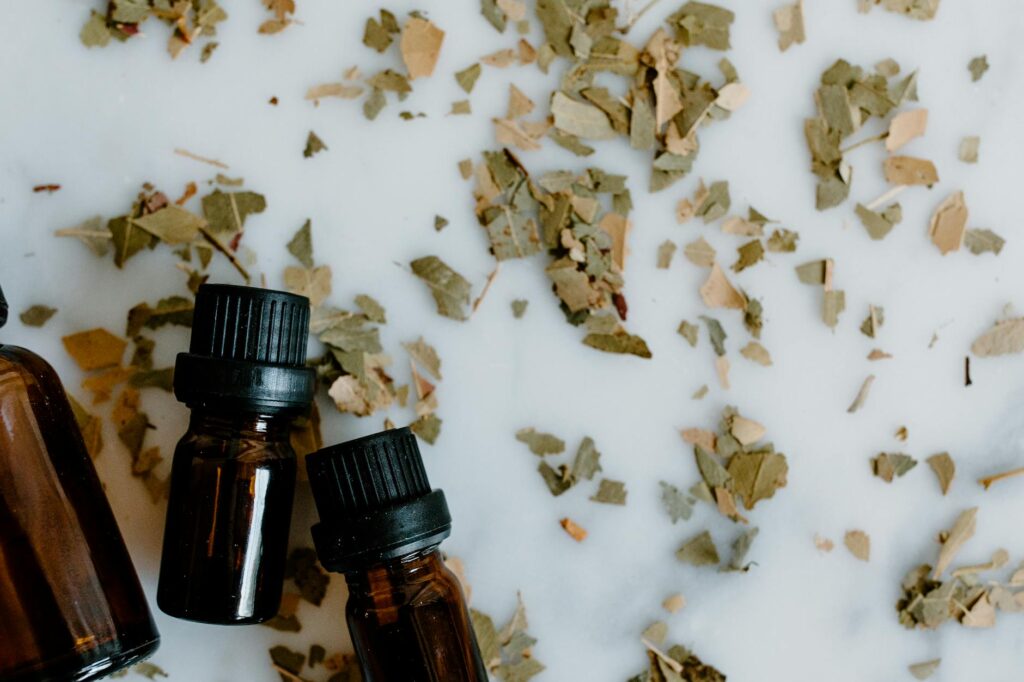
- Container: Use dark glass bottles (amber or cobalt) to protect oils from light. Ensure lids are tightly sealed to prevent oxidation.
- Shelf Life: While essential oils do not expire in the traditional sense, their potency can diminish over time. Generally, most oils have a shelf life of 1 to 3 years, but citrus oils may last only 6 months to a year.
Aromatherapy Applications
There are several effective methods for applying aromatherapy blends for mood enhancement:
1. Diffusion
Diffusing essential oils is one of the most popular methods. A diffuser disperses the oil particles into the air, allowing for easy inhalation.
2. Inhalation
Inhalation is a direct method of using essential oils. Place a few drops of essential oil on a cotton ball or tissue and inhale deeply. Alternatively, you can use a personal inhaler for on-the-go use.
3. Topical Application
Essential oils can be applied to the skin, but they must be diluted with a carrier oil (such as coconut oil, jojoba oil, or almond oil) to prevent skin irritation. Popular application sites include pulse points, such as wrists and temples.
4. Baths
Adding essential oils to bathwater can create a soothing and therapeutic experience. Mix a few drops of essential oil with a carrier oil or Epsom salts before adding it to the bath to ensure even distribution.
5. Compresses
Aromatherapy compresses can be used for targeted relief. Mix essential oils with warm or cold water and soak a cloth in the mixture, then apply to the desired area.
Safety Considerations
While aromatherapy can be beneficial, certain safety considerations should be observed:
Storage and Shelf Life
The efficacy of essential oils is highly dependent on proper storage:
Frequently Asked Questions
1. Can aromatherapy replace traditional therapy or medication?
Aromatherapy can be a complementary practice but should not replace traditional therapies or medications. It is essential to consult with healthcare providers regarding emotional or psychological issues.
2. How do I choose the right essential oils for my mood?
Selecting oils depends on personal preferences and desired effects. For uplifting blends, consider citrus oils; for calming effects, opt for lavender or chamomile. Experimentation may help identify what works best for you.
3. Are there any essential oils that should be avoided?
Certain oils, such as sage and wintergreen, can be potent and may cause adverse effects if misused. Always research specific oils before use and consult with a qualified professional if uncertain.
4. How often can I use essential oils for mood enhancement?
The frequency of use can vary based on personal preference and sensitivity. Regular use can be beneficial; however, it is advisable to take breaks to prevent desensitization.
5. Can I mix different essential oils for mood enhancement?
Yes, blending different essential oils can create unique aromas and synergistic effects. Start with small amounts and test combinations to find what resonates with you.
Conclusion
Aromatherapy offers a versatile approach to enhancing mood through the use of essential oils. By understanding the various properties, benefits, and applications, individuals can create their own custom blends suited to their emotional needs. With careful consideration for safety and storage, aromatherapy can become a valuable addition to personal wellness practices, promoting a balanced and uplifted state of mind.