
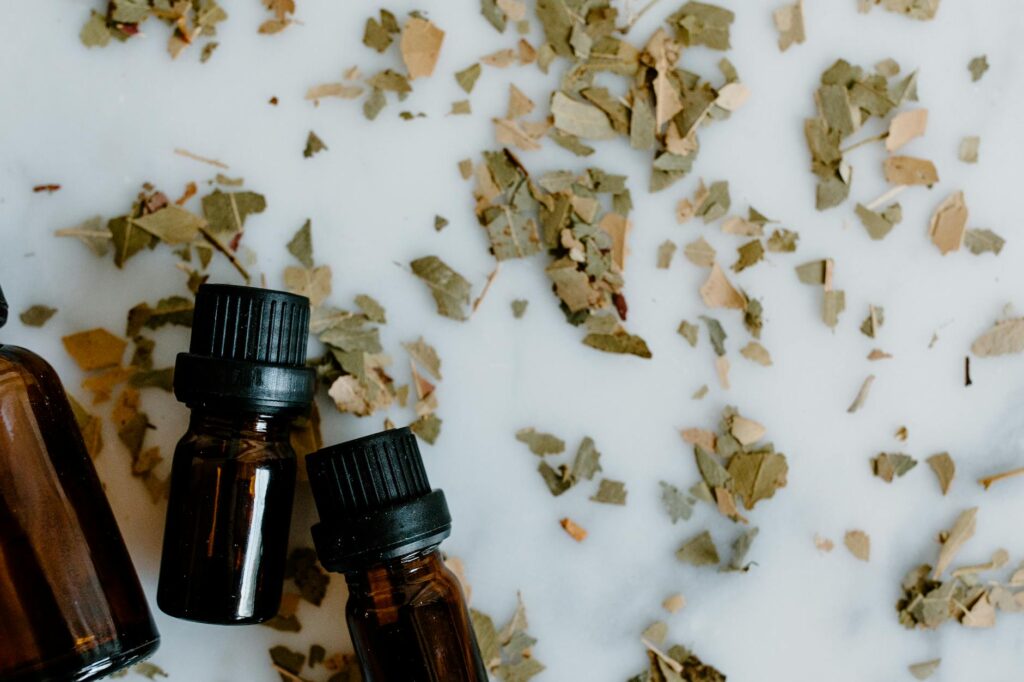
How to Use Aromatherapy for Mood Stabilization Blends
Introduction
Aromatherapy, the practice of using essential oils extracted from plants for therapeutic purposes, has gained considerable attention for its ability to promote emotional well-being. Among its many applications, mood stabilization is a prominent focus. This article delves into the intricate world of mood stabilization blends, exploring their benefits, common uses, and safe application methods.
What Is Aromatherapy for Mood Stabilization Blends?
Mood stabilization blends in aromatherapy refer to specific combinations of essential oils that aim to enhance emotional balance and promote a sense of well-being. These blends are carefully curated based on the unique properties of different essential oils. By inhaling or applying these oils, individuals may experience a shift in their emotional states, fostering a more stable mood.
The practice of using essential oils for emotional support is rooted in ancient traditions, yet modern research continues to validate its efficacy. The combination of aromatic compounds found in essential oils interacts with the brain’s limbic system, which plays a crucial role in regulating emotions.
Key Benefits and Properties
The benefits of aromatherapy for mood stabilization are multifaceted. Here are some key properties and advantages associated with various essential oils:
1. Calming Effects: Oils such as lavender and chamomile are known for their soothing properties, helping to reduce anxiety and stress.
2. Energizing Qualities: Citrus oils like orange and lemon can uplift the mood and invigorate the senses, counteracting feelings of fatigue or sadness.
3. Balancing Emotions: Oils such as bergamot and ylang-ylang can help stabilize emotional fluctuations, promoting a more balanced state of mind.
4. Promoting Relaxation: Some essential oils, like frankincense and sandalwood, are revered for their grounding effects, aiding in relaxation and mental clarity.
5. Enhancing Focus: Certain oils, including rosemary and peppermint, may improve concentration and cognitive function, helping to combat feelings of overwhelm.
Common Uses
Mood stabilization blends can be applied in various settings and situations, making their use versatile and accessible. Here are some common applications:
1. Diffusion: Using an essential oil diffuser to disperse the chosen blend into the air can create a calming environment, perfect for meditation, yoga, or unwinding after a long day.
2. Topical Application: Diluting essential oils with a carrier oil and applying them to pulse points (such as wrists, temples, or behind the ears) can provide immediate relief and promote an enhanced sense of calm.
3. Bathing: Adding essential oils to bathwater can create a soothing atmosphere, allowing for relaxation and emotional release.
4. Inhalation: Simply inhaling the scent directly from the bottle or using a personal inhaler can offer quick emotional benefits, especially in moments of stress or anxiety.
5. Massage: Incorporating mood stabilization blends into massage oils can enhance the overall experience, promoting relaxation and emotional balance.
Aromatherapy Applications
Creating effective mood stabilization blends involves understanding the properties of different essential oils and how they can be combined. Here are several recommended blends that can be tailored to individual preferences:
1. Calming Lavender Blend
Ingredients:
- 3 drops of Lavender essential oil
- 2 drops of Bergamot essential oil
- 1 drop of Frankincense essential oil
- 3 drops of Sweet Orange essential oil
- 2 drops of Lemon essential oil
- 1 drop of Peppermint essential oil
- 2 drops of Cedarwood essential oil
- 3 drops of Sandalwood essential oil
- 2 drops of Vetiver essential oil
- 3 drops of Ylang-Ylang essential oil
- 2 drops of Geranium essential oil
- 1 drop of Chamomile essential oil
- 2 drops of Rosemary essential oil
- 3 drops of Lemon essential oil
- 2 drops of Basil essential oil
- You can use aromatherapy blends as often as needed, but it is advisable to take breaks and not overuse any single oil to prevent sensitivity.
- Yes, experimenting with different essential oils can be a rewarding experience. Start with small quantities to find the combinations that work best for you.
- Certain oils, such as those that are highly stimulating or irritating, may not be suitable for everyone. It’s essential to research each oil and consult reliable sources.
- Aromatherapy should not be considered a substitute for professional mental health treatment. It can be a complementary practice alongside traditional therapies.
- Pay attention to your emotional responses and overall well-being after using a blend. If you notice positive changes, the blend may be effective for your mood stabilization.
Application: Use in a diffuser or dilute with a carrier oil for topical application.
2. Uplifting Citrus Blend
Ingredients:
Application: Ideal for morning use or when a mental boost is needed. Diffuse or apply topically.
3. Grounding Woodsy Blend
Ingredients:
Application: Perfect for meditation or relaxation; diffuse or add to bathwater.
4. Balancing Floral Blend
Ingredients:
Application: Use in a personal inhaler or massage oil for emotional balancing.
5. Focus and Clarity Blend
Ingredients:
Application: Ideal for study or work sessions; diffuse or use in a personal inhaler.
Safety Considerations
While aromatherapy is generally considered safe, it is essential to follow certain precautions to ensure a positive experience:
1. Dilution: Always dilute essential oils with a carrier oil (such as coconut, jojoba, or almond oil) before applying to the skin to prevent irritation.
2. Patch Test: Conduct a patch test on a small area of skin to check for any adverse reactions before using a new oil or blend.
3. Pregnancy and Nursing: Consult with a healthcare professional before using essential oils during pregnancy or while nursing.
4. Children and Pets: Some essential oils may not be suitable for children or pets. Research and consult guidelines specific to age and species.
5. Quality of Oils: Use high-quality, pure essential oils to ensure safety and efficacy. Avoid synthetic or diluted oils, as they may not provide the desired therapeutic effects.
Storage and Shelf Life
Proper storage of essential oils is crucial for maintaining their potency and effectiveness. Here are some tips:
1. Cool, Dark Place: Store essential oils in a cool, dark location away from direct sunlight to prevent degradation.
2. Tightly Sealed Containers: Ensure that bottles are tightly sealed to prevent oxidation.
3. Shelf Life: The shelf life of essential oils varies. Generally, citrus oils have a shorter shelf life (1-2 years), while wood and resin oils can last up to 5 years or more.
4. Labeling: Always label your blends with the date of creation to track their freshness.
Frequently Asked Questions
1. How often can I use aromatherapy blends for mood stabilization?
2. Can I create my own blends?
3. Are there any essential oils that should be avoided?
4. Can aromatherapy replace professional mental health treatment?
5. How do I know if a blend is working for me?
—
In conclusion, aromatherapy offers a wealth of possibilities for mood stabilization through the careful selection and application of essential oils. By understanding the properties, benefits, and safe usage of these oils, individuals can create personalized blends that support emotional well-being. Whether through diffusion, topical application, or other methods, the power of aromatherapy can enhance one’s emotional landscape, providing a natural path to achieving balance and tranquility.