
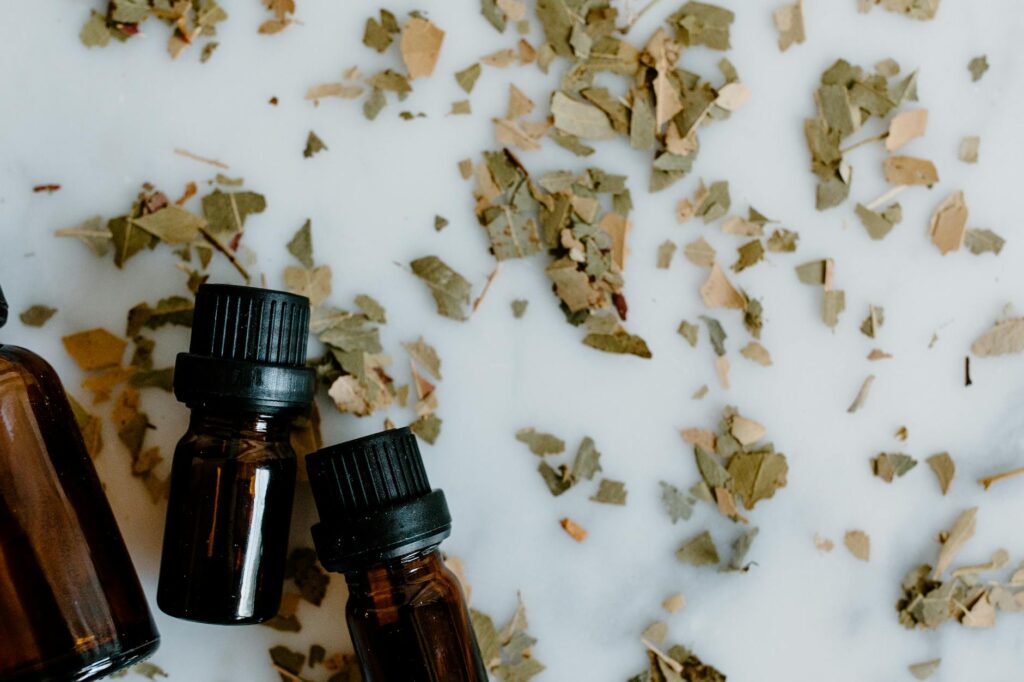
How to Use Aromatherapy for Respiratory Health Blends
Introduction
Aromatherapy, the practice of utilizing essential oils for therapeutic purposes, has gained popularity as a holistic approach to enhancing overall well-being. Among its myriad applications, respiratory health blends stand out for their potential to support lung function, ease breathing, and create a soothing atmosphere. This article explores the fundamentals of aromatherapy for respiratory health, detailing the essential oils involved, their benefits, common uses, and practical applications.
What Is Aromatherapy for Respiratory Health Blends?
Aromatherapy for respiratory health blends refers to the use of specific essential oils formulated to support respiratory wellness. These blends often target various respiratory challenges, such as congestion, allergies, and seasonal discomfort. Essential oils derived from plants contain volatile compounds that may possess properties beneficial for maintaining respiratory function. By inhaling these aromas or applying them to the skin, individuals can potentially experience relief and comfort.
Key Benefits and Properties
The essential oils commonly used in respiratory health blends boast a variety of properties that may be advantageous for lung function and overall respiratory wellness:
1. Expectorant Properties: Certain oils may assist in loosening mucus and facilitating its expulsion, making breathing easier.
2. Anti-Inflammatory Effects: Some essential oils may help reduce inflammation in the airways, promoting clearer passageways.
3. Antimicrobial Action: Certain oils possess antibacterial and antiviral properties, which may help fight respiratory infections.
4. Calming and Relaxing: Aromatherapy can foster a calming environment, which may be beneficial for those experiencing stress or anxiety related to respiratory issues.
5. Stimulating Effects: Certain oils may invigorate the senses, promoting alertness and clarity, which can be particularly helpful during bouts of fatigue caused by respiratory discomfort.
Common Uses
Aromatherapy blends for respiratory health can be utilized in a variety of settings and situations:
- Congestion Relief: Blends can help ease nasal congestion and promote clearer breathing.
- Seasonal Allergies: Essential oils can provide relief from allergens and irritants that affect respiratory health.
- General Wellness: Regular use of respiratory blends can support lung function and overall respiratory health.
- Stress Reduction: Aromatherapy can create a calming environment conducive to relaxation, which may indirectly support respiratory health by reducing stress-related tension in the body.
- Essential Oil Quality: Always opt for high-quality, pure essential oils. Look for oils that are labeled as 100% pure and are sourced from reputable suppliers.
- Skin Sensitivity: Conduct a patch test before applying essential oils to the skin. Dilute the oil as recommended and apply a small amount to a discreet area to check for any allergic reactions.
- Pregnancy and Nursing: Pregnant or nursing individuals should consult with a healthcare professional before using essential oils, as some oils may not be safe during these periods.
- Children and Pets: Adjust the concentration of essential oils and consult guidelines specific to children and pets, as certain oils can be irritating or harmful to them.
- Medical Conditions: Individuals with pre-existing health conditions should consult a healthcare professional before using essential oils, particularly those with respiratory issues, to avoid any adverse reactions.
- Containers: Store essential oils in dark glass bottles to protect them from light, which can degrade their quality.
- Temperature: Keep oils in a cool, dry place, away from direct sunlight and heat sources.
- Shelf Life: The shelf life of essential oils varies by type. Generally, citrus oils have a shorter shelf life (1-2 years), while other oils (like cedarwood or patchouli) can last for up to 5 years or more. Always check for signs of spoilage, such as changes in color or smell.
Aromatherapy Applications
There are several ways to apply aromatherapy for respiratory health blends, allowing for versatility depending on personal preferences and needs:
Inhalation
Diffusion: Using a diffuser, you can disperse essential oils in the air, creating an aromatic environment. This method is beneficial for inhaling the therapeutic properties of the oils.
Steam Inhalation: Adding a few drops of essential oil to a bowl of hot water, covering your head with a towel, and inhaling the steam can provide immediate relief for congested airways.
Direct Inhalation: Placing a drop or two of essential oil onto a tissue or cotton ball and inhaling directly can provide a quick boost when needed.
Topical Application
Dilution: Essential oils should be diluted with a carrier oil before topical application. Common carrier oils include jojoba, sweet almond, or coconut oil. A typical dilution ratio is 2-3 drops of essential oil per teaspoon of carrier oil.
Chest Rub: Creating a chest rub by combining essential oils with a carrier oil can help ease breathing. Simply apply the mixture to the chest area for localized relief.
Bathing
Adding essential oils to a warm bath can provide a soothing experience. Mix essential oils with a carrier oil or an emulsifier like milk before adding to the bath to ensure even distribution.
Aromatherapy Inhalers
Portable inhalers can be filled with essential oil blends, allowing for easy access to the therapeutic effects of the oils throughout the day.
Safety Considerations
While aromatherapy can be beneficial, it is essential to approach it with care. Here are some safety considerations to keep in mind:
Storage and Shelf Life
Proper storage of essential oils is crucial for maintaining their potency and efficacy. Here are some guidelines:
Frequently Asked Questions
What essential oils are best for respiratory health?
Common essential oils for respiratory health include eucalyptus, peppermint, tea tree, lavender, and rosemary. Each oil possesses unique properties that can aid in breathing and promote respiratory wellness.
Can I use essential oils if I have asthma?
Individuals with asthma or other respiratory conditions should consult a healthcare professional before using essential oils, as some oils may trigger sensitivities or allergic reactions.
How often can I use respiratory blends?
Frequency of use will depend on individual needs and sensitivities. It is advisable to start with moderate use and adjust as needed, observing any reactions.
Can I mix different essential oils?
Yes, many essential oils can be blended to create a synergistic effect. However, it is essential to research which combinations are safe and effective for your intended use.
Are there any essential oils to avoid?
Certain oils may not be suitable for everyone. For example, oils like camphor and wintergreen should be used with caution, particularly around children. Always conduct research or consult a professional for guidance.
Conclusion
Aromatherapy for respiratory health blends offers a holistic approach to enhancing lung function and overall respiratory wellness. By understanding the essential oils involved, their benefits, and various applications, individuals can incorporate these natural remedies into their daily wellness routines. As with any therapeutic practice, it is essential to prioritize safety and quality to maximize the benefits of aromatherapy.