
How to Use Aromatherapy for Seasonal Affective Disorder (SAD) Blends
Introduction
Seasonal Affective Disorder (SAD) is a type of depression that occurs at specific times of the year, most commonly during the winter months when daylight hours are shorter. It is characterized by symptoms such as low energy, irritability, and changes in sleep and appetite. While there are various treatment options available, many individuals are turning to holistic approaches like aromatherapy for relief. This article will explore how to effectively use aromatherapy for SAD, focusing on essential oil blends that may help alleviate symptoms and enhance overall well-being.
What Is Aromatherapy for Seasonal Affective Disorder (SAD) Blends?
Aromatherapy involves the use of essential oils extracted from plants to enhance physical, emotional, and mental well-being. These oils contain compounds that can influence mood and mental states. For individuals experiencing SAD, aromatherapy can provide a natural way to uplift spirits and create a sense of calm during the darker months.
Certain essential oils are believed to have specific properties that can help counteract the symptoms of SAD. The process typically involves inhalation or topical application, allowing the oils to interact with the brain’s limbic system, which plays a key role in emotions and memory.
Key Benefits and Properties
Mood Enhancement
Many essential oils are known for their uplifting properties. Oils such as bergamot, sweet orange, and rosemary can help stimulate feelings of happiness and positivity.
Stress Relief
Stress and anxiety often accompany SAD. Essential oils like lavender and chamomile are renowned for their calming effects, which can help mitigate stress levels.
Energy Boost
Certain oils can invigorate the mind and body. Peppermint and eucalyptus are excellent choices for those feeling lethargic, as they may promote alertness and clarity.
Improved Sleep Quality
Sleep disturbances are common in individuals with SAD. Essential oils such as cedarwood and vetiver can promote relaxation and improve sleep quality.
Common Uses
Diffusion
One of the most popular ways to use essential oils is through diffusion. This method disperses the oils into the air, allowing for inhalation. Diffusers come in various forms, including ultrasonic, nebulizing, and heat-based models.
Topical Application
Essential oils can be diluted with carrier oils, such as coconut or jojoba oil, and applied to the skin. This method is beneficial for localized relief and can enhance mood through skin absorption.
Bathing
Adding essential oils to bathwater can provide a sensory experience that promotes relaxation. Oils like lavender and ylang-ylang can create a tranquil atmosphere.
Inhalation
Direct inhalation is another effective method. A few drops of essential oil can be placed on a tissue or in the palms of the hands for quick access to their benefits.
Aromatherapy Applications
Essential Oil Blends for SAD
Creating custom blends can maximize the benefits of aromatherapy for SAD. Below are some recommended blends to consider:
Uplifting Citrus Blend
- Ingredients: 3 drops of sweet orange, 2 drops of bergamot, 1 drop of lemon
- Benefits: This blend is designed to uplift mood and promote feelings of joy. Diffuse in a room or apply topically for a refreshing boost.
- Ingredients: 2 drops of lavender, 2 drops of chamomile, 1 drop of geranium
- Benefits: This blend is intended to reduce anxiety and promote relaxation. Use in a diffuser during meditation or before bedtime.
- Ingredients: 3 drops of peppermint, 2 drops of rosemary, 1 drop of eucalyptus
- Benefits: This invigorating blend can enhance focus and energy. Inhale directly or diffuse while working or studying.
- Ingredients: 3 drops of cedarwood, 2 drops of vetiver, 1 drop of sandalwood
- Benefits: This grounding blend can help with feelings of anxiety and promote emotional stability. Use during mindfulness practices or before sleep.
- Dilution: Always dilute essential oils with a carrier oil before applying them to the skin to prevent irritation.
- Patch Test: Conduct a patch test when trying a new essential oil to check for allergic reactions.
- Quality: Use high-quality, pure essential oils from reputable sources to ensure effectiveness and safety.
- Consultation: Individuals with specific health concerns, pregnant women, or those taking medications should consult a healthcare provider before using essential oils.
- Containers: Store oils in dark glass bottles to protect them from light degradation.
- Temperature: Keep oils in a cool, dry place, away from direct sunlight and heat sources.
- Shelf Life: While many essential oils have a shelf life of 1-3 years, citrus oils tend to have a shorter shelf life due to their chemical composition. Always check for signs of degradation, such as changes in color or odor.
Calming Floral Blend
Invigorating Mint Blend
Grounding Woodsy Blend
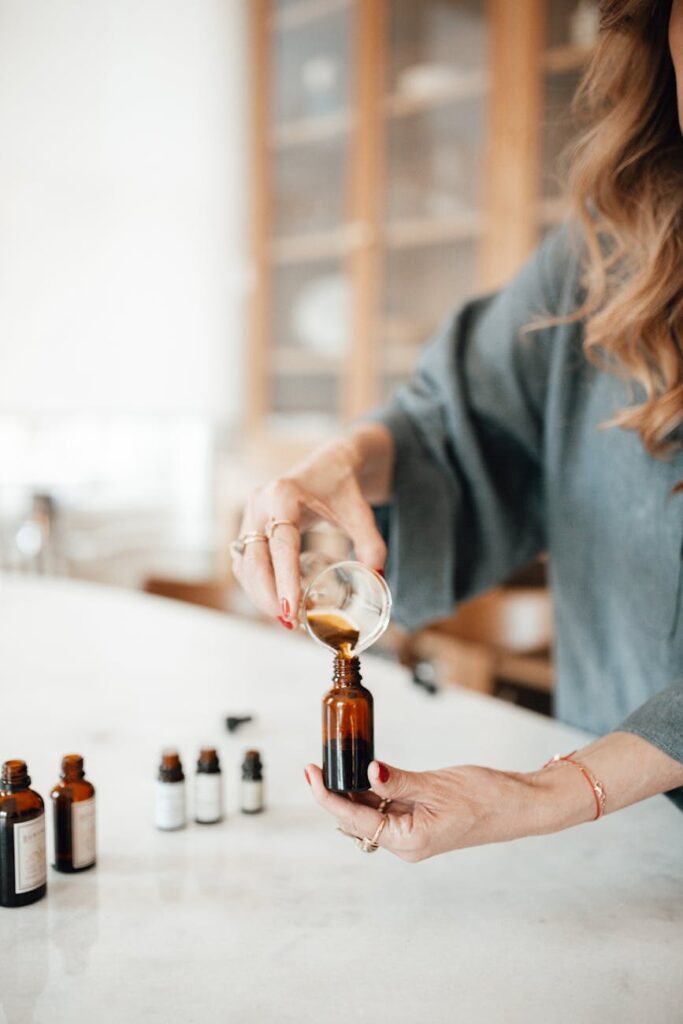
Creating Your Own Blends
To create a personalized blend, consider the following steps:
1. Choose Your Base: Select a carrier oil or a medium for diffusion.
2. Select Essential Oils: Pick oils based on their desired effects. Refer to the properties outlined earlier.
3. Blend Ratios: Start with a few drops of each oil, adjusting the ratio based on personal preference and the desired strength.
4. Test and Adjust: Always perform a patch test on the skin before widespread application, and adjust your blend as needed.
Safety Considerations
While aromatherapy can be beneficial, it is important to follow safety guidelines:
Storage and Shelf Life
Proper storage of essential oils is crucial to maintain their potency. Here are some guidelines:
Frequently Asked Questions
Can aromatherapy completely cure SAD?
Aromatherapy is not a cure for SAD but can serve as a complementary approach to managing symptoms. It is important to seek professional guidance for a comprehensive treatment plan.
How often should I use essential oils for SAD?
The frequency of use can vary based on personal preferences. Generally, using essential oils daily or several times a week can help maintain their benefits.
Are there any essential oils that should be avoided?
Certain oils, such as those derived from highly concentrated sources, may cause irritation or allergic reactions. Oils like cinnamon and clove should be used with caution. Always do thorough research before trying new oils.
Can I use essential oils in conjunction with other treatments for SAD?
Yes, aromatherapy can be used alongside other treatments like therapy or light therapy, but it’s essential to discuss this with a healthcare provider.
Conclusion
Aromatherapy offers a natural avenue for those seeking support in managing the challenges associated with Seasonal Affective Disorder. By understanding the properties and benefits of various essential oils, individuals can create personalized blends that uplift, calm, and invigorate. As with any holistic approach, it is important to consider safety and consult professionals when necessary. Embracing the potential of aromatherapy could lead to a more balanced and positive experience during the darker months of the year.