
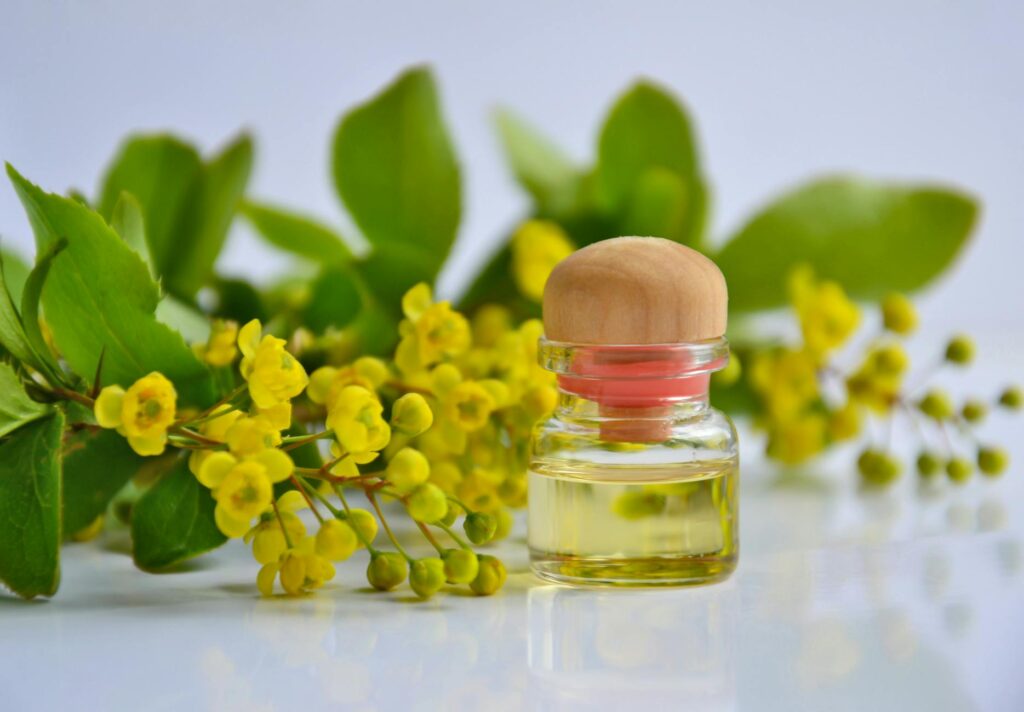
How to Use Aromatherapy for Seasonal Immune Support Blends
Introduction
As the seasons change, so do the challenges our bodies face in maintaining health and well-being. Aromatherapy, the practice of using essential oils for therapeutic purposes, has gained popularity as a natural approach to seasonal immune support. This article explores how to effectively use aromatherapy for immune support, providing insights into essential oil blends, their benefits, common applications, safety considerations, and more.
What Is Aromatherapy for Seasonal Immune Support Blends?
Aromatherapy involves the inhalation or topical application of essential oils derived from plants, which are believed to have various therapeutic properties. Seasonal immune support blends are specifically formulated combinations of essential oils that aim to support the body’s defenses during times when colds, flu, and other seasonal ailments are prevalent. These blends may incorporate oils known for their antiviral, antibacterial, and immune-stimulating properties.
Key Benefits and Properties
The essential oils commonly used in seasonal immune support blends offer numerous benefits, including:
1. Antimicrobial Properties: Many essential oils, such as tea tree and eucalyptus, possess antimicrobial qualities that may help combat bacteria and viruses.
2. Immune System Support: Oils like oregano and thyme are believed to stimulate immune function, potentially helping the body to respond more effectively to pathogens.
3. Respiratory Health: Eucalyptus and peppermint oils can promote clear breathing, making them beneficial for respiratory support during seasonal changes.
4. Mood Enhancement: Aromatherapy can also improve emotional well-being. Citrus oils, such as lemon and orange, may uplift mood and reduce stress, which can indirectly support immune health.
5. Anti-inflammatory Effects: Several essential oils, including lavender and chamomile, have anti-inflammatory properties that may soothe the body during times of illness.
Common Uses
Aromatherapy blends for immune support can be used in various ways, including:
- Diffusion: Essential oils can be diffused in the air to create a therapeutic atmosphere that may help purify the air and uplift the spirit.
- Topical Application: Diluted essential oils can be applied to the skin, particularly on pulse points, to promote absorption and efficacy.
- Bath Soaks: Adding essential oils to bath water can create a relaxing and therapeutic experience, benefiting both the skin and respiratory system.
- Inhalation: Direct inhalation methods, such as using a personal inhaler or simply inhaling from the bottle, can provide quick relief and promote respiratory health.
- 3 drops of eucalyptus oil
- 2 drops of lemon oil
- 1 drop of tea tree oil
- 10-15 drops of essential oil blend per 1 ounce of carrier oil (e.g., jojoba, sweet almond, or coconut oil).
- 5 drops of lavender oil
- 5 drops of rosemary oil
- 5 drops of frankincense oil
- 5 drops of ginger oil
- 5 drops of bergamot oil
- 2 drops of eucalyptus oil
- 5 drops of peppermint oil
- 5 drops of lemon oil
- 5 drops of tea tree oil
- Dilution: Always dilute essential oils before applying them to the skin, especially for sensitive areas or for use on children.
- Patch Test: Conduct a patch test on a small area of skin to check for any allergic reactions or sensitivity.
- Pregnancy and Nursing: Consult a qualified aromatherapist or healthcare provider before using essential oils during pregnancy or while breastfeeding, as some oils may not be safe.
- Medical Conditions: Individuals with specific medical conditions or those taking medications should seek guidance from a qualified professional to avoid potential interactions.
- Quality of Oils: Use high-quality, pure essential oils from reputable sources to ensure safety and potency.
- Dark Glass Bottles: Store essential oils in dark glass bottles to protect them from light, which can degrade their quality.
- Cool, Dry Place: Keep oils in a cool, dry place away from direct sunlight and heat sources.
- Shelf Life: Most essential oils have a shelf life ranging from 1 to 5 years, depending on the oil. Citrus oils generally have a shorter shelf life than oils like patchouli or sandalwood.
Aromatherapy Applications
1. Diffusion
Using a diffuser is one of the simplest ways to experience the benefits of essential oils.
Recommended Blend for Diffusion:
Add these oils to a diffuser filled with water, following the manufacturer’s instructions. This blend may help purify the air and support respiratory function.
2. Topical Application
When applying essential oils to the skin, it is crucial to dilute them with a carrier oil to prevent irritation.
Recommended Dilution:
Recommended Blend for Topical Application:
Mix these oils with a carrier oil and apply to the chest, neck, or pulse points.
3. Bath Soaks
A warm bath infused with essential oils can be a comforting way to support immune health.
Recommended Bath Blend:
Mix the essential oils with a cup of milk or a neutral carrier oil (to help disperse the oils) before adding them to the bath water.
4. Inhalation
For targeted relief, inhalation is a quick and effective method.
Recommended Inhaler Blend:
Add the essential oils to an aromatherapy inhaler and inhale deeply when needed.
Safety Considerations
While essential oils are generally safe when used correctly, there are essential safety guidelines to follow:
Storage and Shelf Life
Proper storage of essential oils is crucial for maintaining their efficacy. Here are some tips:
Frequently Asked Questions
1. Can I use essential oils if I have allergies?
If you have allergies, it is important to consult with a healthcare professional before using essential oils. Consider conducting a patch test to determine any sensitivities.
2. How often can I use essential oils for seasonal immune support?
The frequency of use can vary based on individual needs and the method of application. Generally, using essential oils 1-3 times a day is common, but listen to your body and adjust accordingly.
3. Are essential oils safe for children?
Certain essential oils can be safe for children when properly diluted and used appropriately. However, it is advisable to consult with a healthcare professional or a qualified aromatherapist for guidance on suitable oils and dilution ratios for children.
4. Can I mix different essential oils?
Yes, blending different essential oils can create unique synergies that enhance their individual properties. However, always research the properties and safety of each oil before mixing.
5. Should I consult a professional before using essential oils?
If you are unsure about using essential oils, especially in relation to existing health conditions or medications, consulting a qualified aromatherapist or healthcare professional is recommended.
Conclusion
Aromatherapy can offer a holistic approach to seasonal immune support, utilizing the natural properties of essential oils to help nurture and protect the body. By understanding the benefits, applications, and safety considerations of essential oils, individuals can create personalized blends that enhance their well-being during seasonal transitions. Always prioritize safety and quality when exploring the world of aromatherapy, and enjoy the journey of discovering the many ways these botanical wonders can support health.