
How to Use Aromatherapy for Seasonal Mood Regulation Blends
Introduction
Aromatherapy is a holistic practice that harnesses the power of essential oils to enhance physical, emotional, and mental well-being. Seasonal changes can impact our mood and energy levels, leading to feelings of sadness, fatigue, or anxiety. Utilizing aromatherapy for seasonal mood regulation blends may offer a natural way to support emotional balance and resilience throughout the year. This article explores the principles of aromatherapy, the benefits of specific essential oils, common uses, applications, safety considerations, and more.
What Is Aromatherapy for Seasonal Mood Regulation Blends?
Aromatherapy involves the inhalation or topical application of essential oils extracted from plants, each possessing unique therapeutic properties. Seasonal mood regulation blends specifically target emotional and psychological well-being during different times of the year. For instance, some may find themselves feeling more lethargic and down in the winter months, while others may experience anxiety or restlessness in the spring.
Creating effective blends requires an understanding of the properties of various essential oils and how they can be combined to achieve desired emotional states.
Key Benefits and Properties
1. Emotional Support: Aromatherapy can help elevate mood, reduce stress, and promote relaxation. Specific oils are known for their uplifting or calming effects.
2. Natural Alternatives: Essential oils offer a non-invasive option for individuals seeking alternative methods for mood regulation without relying solely on pharmaceuticals.
3. Personalization: Aromatherapy allows for the customization of blends to suit individual preferences and specific seasonal challenges.
4. Mind-Body Connection: Inhalation of essential oils affects the limbic system, the part of the brain that governs emotions, thereby promoting emotional balance.
Essential oils often used for seasonal mood regulation include:
- Citrus Oils (e.g., Lemon, Orange): Known for their uplifting and energizing properties.
- Lavender: Renowned for its calming and soothing effects, useful in reducing anxiety.
- Peppermint: Invigorating and refreshing, often used to combat fatigue.
- Bergamot: Promotes feelings of happiness and reduces feelings of stress.
- Ylang Ylang: Used to promote relaxation and emotional balance.
- 3 drops of Lavender
- 2 drops of Frankincense
- 2 drops of Sweet Orange
- 2 drops of Bergamot
- 2 drops of Ylang Ylang
- 2 drops of Peppermint
- 3 drops of Grapefruit
- 2 drops of Lavender
- 2 drops of Rosemary
- 3 drops of Cedarwood
- 2 drops of Patchouli
- 2 drops of Clary Sage
Common Uses
Seasonal mood regulation blends can be utilized in various ways, depending on personal preferences and circumstances. Common uses include:
1. Diffusion: Adding essential oils to a diffuser allows for widespread scent distribution, creating an uplifting environment.
2. Topical Application: Diluting essential oils with a carrier oil (e.g., coconut, jojoba) and applying to pulse points can provide direct emotional support.
3. Massage: Incorporating essential oils into massage oils can enhance relaxation and mood enhancement during self-care routines.
4. Bathing: Adding essential oils to bathwater can create a soothing experience, perfect for unwinding after a long day.
5. Inhalation: Simply inhaling the scent directly from the bottle or from a cotton ball can provide immediate emotional relief.
Aromatherapy Applications
To create effective seasonal mood regulation blends, it is crucial to understand how to combine different essential oils based on their properties. Below are some suggested blends for various seasons:
Winter Blend
Ingredients:
Method: This blend can be used in a diffuser or diluted with a carrier oil for topical use. The calming properties of lavender combined with the uplifting citrus notes can help combat winter blues.
Spring Blend
Ingredients:
Method: Ideal for promoting feelings of renewal and energy, this blend can be diffused or applied topically during springtime.
Summer Blend
Ingredients:
Method: This refreshing blend can help uplift the spirit during the warm months, providing both calming and invigorating effects.
Autumn Blend
Ingredients:
Method: This grounding blend can help provide emotional stability as the seasons shift and the days grow shorter.
Safety Considerations
While aromatherapy can be beneficial, it is essential to adhere to safety guidelines:
1. Dilution: Always dilute essential oils with a carrier oil before applying them to the skin to prevent irritation.
2. Patch Test: Conduct a patch test by applying a small amount of diluted oil to a small area of skin to check for any allergic reactions.
3. Consultation: Those with pre-existing health conditions, pregnant or nursing individuals, and young children should consult with a healthcare professional before using essential oils.
4. Quality: Use high-quality, pure essential oils from reputable sources to ensure safety and efficacy.
5. Avoid Ingestion: Essential oils should not be ingested unless under the guidance of a qualified healthcare provider.
Storage and Shelf Life
Proper storage of essential oils is crucial for maintaining their potency and effectiveness. Here are some tips:
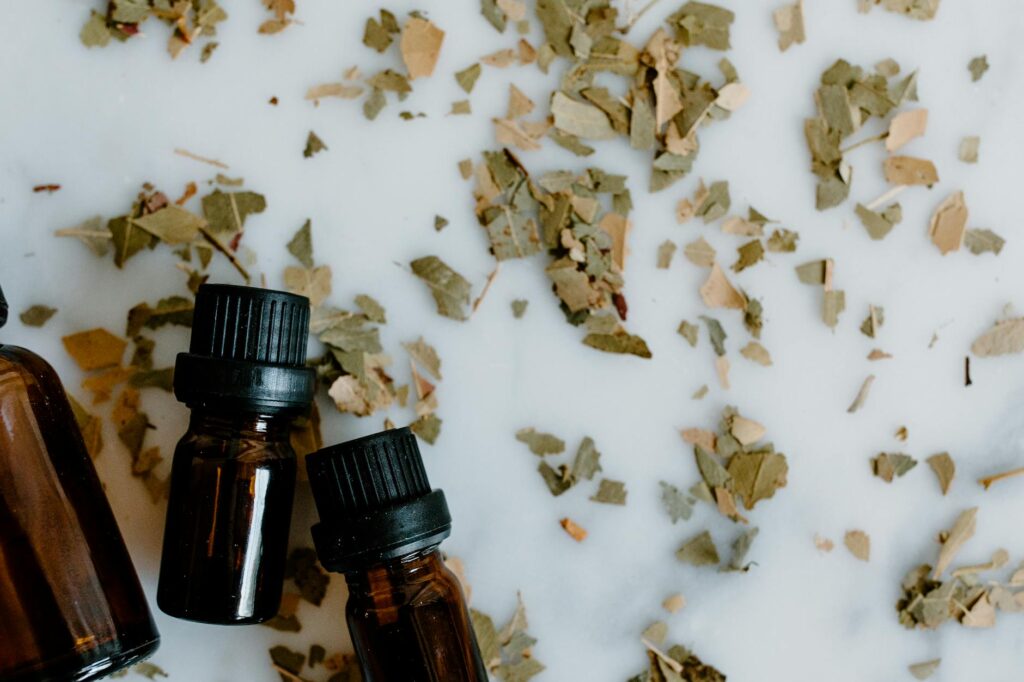
1. Dark Glass Bottles: Store essential oils in dark glass containers to protect them from light, which can degrade their quality.
2. Cool, Dry Place: Keep oils in a cool and dry environment, away from heat sources and direct sunlight.
3. Tightly Sealed: Ensure that bottles are tightly sealed to prevent evaporation and contamination.
4. Shelf Life: Most essential oils have a shelf life of 1–3 years, but this can vary. Citrus oils generally have a shorter shelf life, while oils like patchouli and sandalwood may improve with age.
Frequently Asked Questions
How do I choose the right essential oils for my mood?
Consider your personal preferences and the specific emotional states you wish to address. Research the properties of various oils and experiment with different combinations to find what works best for you.
Can I use essential oils if I have allergies?
While some people with allergies may tolerate certain essential oils, others may experience sensitivities. It is advisable to conduct a patch test and consult with a healthcare professional if you have concerns.
How often can I use aromatherapy blends?
Aromatherapy can be used daily, but it is essential to listen to your body and adjust frequency as needed. Pay attention to how you feel and modify your usage accordingly.
Is it safe to use essential oils around pets?
Certain essential oils can be toxic to pets. It is best to consult veterinary guidelines or a qualified professional before using essential oils in environments with animals.
Can I create my own aromatherapy blends?
Absolutely! Creating your own blends allows for personalization and experimentation. Just be sure to research the properties of the oils you select and follow safety guidelines for dilution and application.
Conclusion
Aromatherapy offers a compelling approach to seasonal mood regulation through the use of essential oil blends that target emotional well-being. By understanding the properties of various oils and how to apply them safely, individuals can create personalized experiences that support emotional balance throughout the changing seasons. As with any holistic practice, it’s essential to approach aromatherapy with mindfulness and awareness, ensuring that the process aligns with your personal wellness journey.