
How to Use Aromatherapy for Sleep Apnea Blends
Introduction
Sleep apnea is a condition characterized by repeated interruptions in breathing during sleep, which can lead to fragmented sleep and daytime fatigue. While there are various medical approaches to managing sleep apnea, many individuals seek complementary therapies, such as aromatherapy, to enhance their overall well-being. Aromatherapy utilizes essential oils derived from plants, which can have various therapeutic properties. This article explores how to use aromatherapy blends specifically tailored for sleep apnea, highlighting their benefits, applications, and safety considerations.
What Is Aromatherapy for Sleep Apnea Blends?
Aromatherapy for sleep apnea blends involves the use of essential oils formulated to promote relaxation, improve sleep quality, and alleviate stress. These blends can help create a calming atmosphere that may assist individuals in achieving restful sleep. Essential oils are extracted from various parts of plants, including leaves, flowers, stems, and roots, and each oil possesses unique properties that can be beneficial for sleep-related issues.
Key Benefits and Properties
The essential oils commonly used in aromatherapy for sleep apnea blends possess a variety of benefits, including:
1. Relaxation: Oils such as lavender and chamomile are renowned for their calming effects, which can help reduce anxiety and promote a sense of tranquility.
2. Improved Sleep Quality: Certain oils, such as bergamot and vetiver, have sedative properties that may help individuals fall asleep faster and enjoy deeper sleep.
3. Reduction of Stress: Stress is often a contributor to sleep disturbances. Oils like frankincense and ylang-ylang can help alleviate stress and tension, creating a more favorable environment for sleep.
4. Airway Support: Some essential oils, such as eucalyptus and peppermint, may help open airways and support respiratory function, potentially benefiting those with sleep apnea.
5. Mood Enhancement: Oils like sweet orange and geranium can uplift mood, which may be particularly beneficial for individuals experiencing anxiety or depression related to sleep apnea.
Common Uses
Aromatherapy blends for sleep apnea can be used in various ways, including:
- Diffusion: Adding essential oils to a diffuser can disperse their fragrances throughout a room, creating a soothing environment conducive to sleep.
- Topical Application: Diluting essential oils in a carrier oil allows for safe application on the skin. This method can provide localized benefits and enhance relaxation.
- Bathing: Adding essential oils to a warm bath can create a serene atmosphere, promoting relaxation and preparing the body for sleep.
- Inhalation: Simply inhaling essential oils from a bottle or a cotton ball can offer immediate calming effects.
- Lavender Essential Oil: 5 drops
- Bergamot Essential Oil: 3 drops
- Cedarwood Essential Oil: 2 drops
- Carrier Oil (e.g., sweet almond oil or jojoba oil): 1 ounce
- Lavender Essential Oil: 10 drops
- Frankincense Essential Oil: 5 drops
- Chamomile Essential Oil: 5 drops
- Epsom Salt: 1 cup
- Lavender Essential Oil: 10 drops
- Ylang-Ylang Essential Oil: 5 drops
- Lavender Essential Oil: 2 drops
- Sweet Orange Essential Oil: 2 drops
- Dilution: Always dilute essential oils with a carrier oil before applying them to the skin to avoid irritation.
- Patch Test: Conduct a patch test on a small area of skin to check for any allergic reactions before widespread use.
- Pregnancy and Medical Conditions: Pregnant individuals or those with medical conditions should consult a healthcare professional before using essential oils, as some oils may not be suitable.
- Quality of Oils: Use high-quality, pure essential oils from reputable sources to ensure safety and efficacy.
- Avoid Ingestion: Essential oils should not be ingested unless under the guidance of a qualified professional.
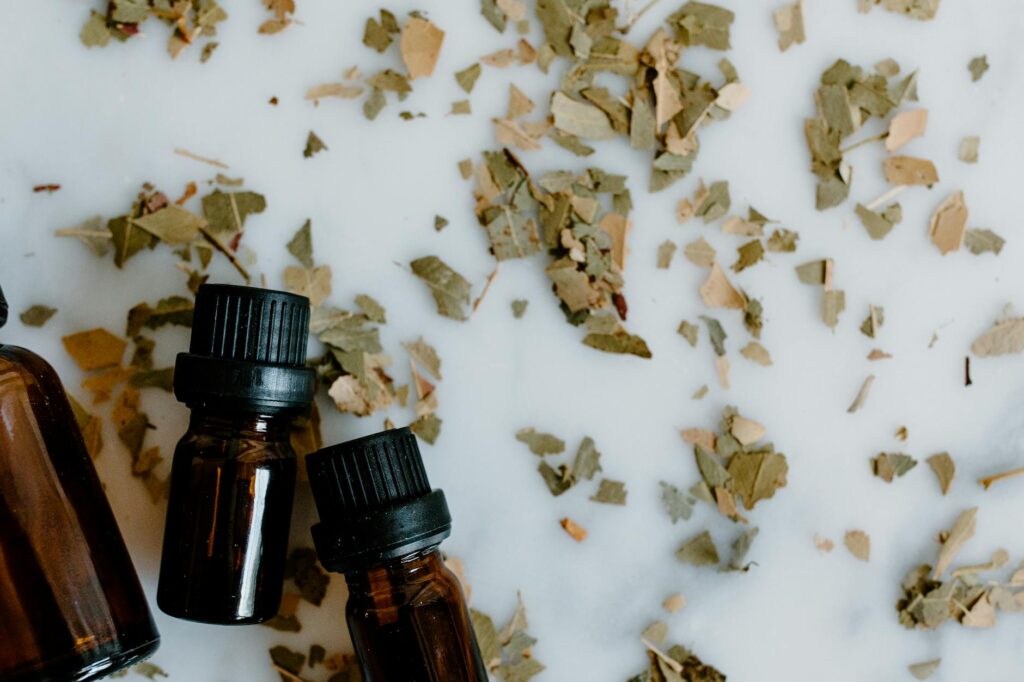
- Dark Glass Bottles: Store essential oils in dark glass bottles to protect them from light, which can degrade their quality.
- Cool Environment: Keep oils in a cool, dry place away from direct sunlight and heat sources.
- Seal Tightly: Ensure that bottles are tightly sealed to prevent oxidation and evaporation.
Aromatherapy Applications
1. Diffusion Blends
Creating a sleep apnea blend for a diffuser can be as simple as combining a few essential oils known for their calming properties. Consider the following blend:
Combine these oils in your diffuser with water, following the manufacturer’s instructions. Diffuse the blend in your bedroom for about 30 minutes before bedtime.
2. Topical Applications
A topical blend can be applied to pulse points, such as wrists or behind the ears. To create a relaxing sleep blend:
Mix the essential oils with the carrier oil in a small glass bottle. Apply a small amount to pulse points before bedtime.
3. Bathing Ritual
Creating a serene bathing experience can help prepare the body for sleep. To make a calming bath blend:
Mix the essential oils with the Epsom salt and add the mixture to a warm bath. Soak for at least 20 minutes before bed to promote relaxation.
4. Inhalation Techniques
For quick relief, consider inhalation techniques. Using an essential oil inhaler or simply inhaling directly from a bottle can provide immediate calming effects. A simple inhalation blend could include:
Place the oils on a cotton ball and breathe in deeply for a few moments.
Safety Considerations
While aromatherapy can be a beneficial complementary practice, it is important to observe safety guidelines:
Storage and Shelf Life
Proper storage of essential oils is crucial for maintaining their potency. Here are some guidelines:
The shelf life of essential oils varies. Generally, citrus oils have a shorter shelf life (about 1-2 years), while oils like vetiver and patchouli can last up to 5 years or more when stored properly. Regularly check for changes in scent or appearance, as this may indicate that the oil has expired.
Frequently Asked Questions
1. Can aromatherapy replace medical treatment for sleep apnea?
Aromatherapy should not replace medical treatment for sleep apnea. It can, however, serve as a complementary therapy to enhance relaxation and overall well-being.
2. Are there specific essential oils that should be avoided for sleep apnea?
While most essential oils are safe for general use, some individuals may be sensitive to specific oils. It’s best to consult with a healthcare provider if you have concerns about particular oils or their interactions with medications.
3. How long does it take to feel the effects of aromatherapy for sleep?
The effects can vary from person to person. Many individuals report feeling relaxed within minutes of inhaling essential oils, while others may notice more significant benefits after consistent use over time.
4. Is it safe to use essential oils around children and pets?
Certain essential oils may not be safe for use around children or pets. Always research specific oils and consult with a healthcare provider or veterinarian before using essential oils in shared spaces.
5. Can I create my own blends?
Absolutely! Creating your own blends allows you to customize the aromas and therapeutic properties to suit your preferences. Just be sure to follow safety guidelines for dilution and use.
Conclusion
Aromatherapy offers a holistic approach to enhancing relaxation and promoting better sleep quality for individuals dealing with sleep apnea. By understanding the properties of essential oils and applying them safely, you can create personalized blends that may contribute to a more restful night’s sleep. While aromatherapy is not a substitute for medical treatment, it can serve as a valuable complementary practice on your journey toward improved well-being.