
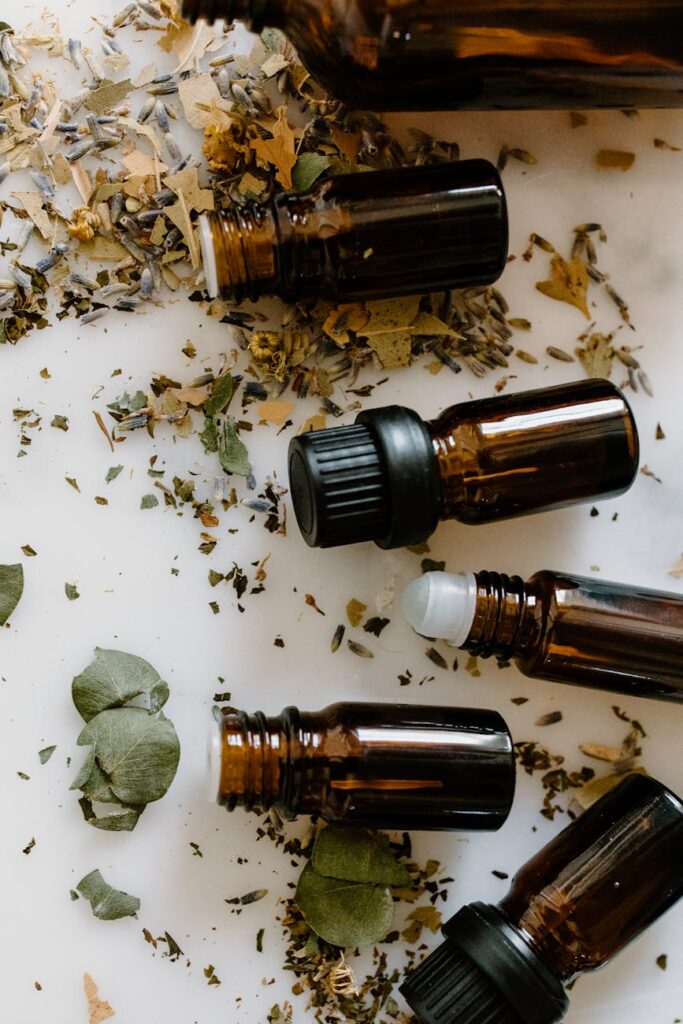
How to Use Aromatherapy for Sleep Disorders Blends
Introduction
In our fast-paced world, sleep disorders have become increasingly prevalent, affecting millions of people globally. While there are various approaches to improving sleep quality, aromatherapy has garnered attention for its potential to promote relaxation and enhance sleep. This article explores how aromatherapy blends can be utilized to address sleep disorders, highlighting their benefits, common applications, and important safety considerations.
What Is Aromatherapy for Sleep Disorders Blends?
Aromatherapy is a holistic practice that harnesses the therapeutic properties of essential oils derived from plants. These concentrated extracts possess unique chemical compounds that can influence mood, relaxation, and overall well-being. In the context of sleep disorders, specific essential oils can be blended to create aromas that may help ease anxiety, promote relaxation, and encourage a restful night’s sleep.
Aromatherapy blends for sleep typically consist of a combination of essential oils known for their sedative and calming properties. Common oils used in these blends include lavender, chamomile, bergamot, and cedarwood, among others. When combined, these essential oils can enhance their individual effects, creating a synergistic impact that is more potent than any single oil alone.
Key Benefits and Properties
Aromatherapy blends designed for sleep disorders can offer several key benefits:
1. Relaxation: Many essential oils have calming effects that can help reduce stress and anxiety, making it easier to unwind before bedtime.
2. Improved Sleep Quality: Certain oils can promote deeper sleep and reduce the frequency of awakenings during the night.
3. Mood Enhancement: Aromatherapy may help elevate mood and alleviate feelings of restlessness that often accompany sleep disorders.
4. Natural Approach: Using essential oils provides a holistic alternative to over-the-counter sleep aids, which may have undesirable side effects.
5. Customizability: Aromatherapy blends can be tailored to individual preferences, allowing users to create a personalized sleep solution.
Common Uses
Aromatherapy for sleep disorders can be employed in various ways, depending on individual preferences and circumstances. Some common uses include:
- Diffusion: Using an essential oil diffuser, individuals can disperse the aroma of sleep blends throughout a room, creating a calming atmosphere conducive to rest.
- Topical Application: Diluting essential oils in a carrier oil and applying them to pulse points (such as wrists or behind the ears) can provide a direct and immediate calming effect.
- Bath Soaks: Adding essential oils to a warm bath can create a soothing experience, helping to relax muscles and promote a tranquil state of mind.
- Pillow Sprays: A simple spray made from essential oils and water can be misted onto pillows and bedding to create a comforting scent that encourages sleep.
- Inhalation: Direct inhalation of essential oils from the bottle or a cotton ball can provide quick relief and promote relaxation.
- 5 drops Lavender essential oil
- 3 drops Chamomile essential oil
- 2 drops Cedarwood essential oil
- 1 tablespoon Carrier oil (such as sweet almond or jojoba oil) for topical application
- Dilution: Essential oils are highly concentrated and should always be diluted with a carrier oil before topical application to avoid skin irritation.
- Patch Test: Conduct a patch test on a small area of skin to check for allergic reactions before using any new essential oil.
- Consultation: Individuals with underlying health conditions, pregnant or nursing women, and those taking medications should consult a healthcare professional before using essential oils.
- Quality of Oils: Use high-quality, pure essential oils from reputable sources to ensure safety and efficacy.
- Children and Pets: Some essential oils may not be safe for use around children or pets. Always check guidelines regarding specific oils and their use.
- Dark Glass Containers: Store essential oils in dark glass bottles to protect them from light exposure, which can degrade their quality.
- Cool, Dry Place: Keep oils in a cool, dry space away from heat sources and direct sunlight.
- Shelf Life: The shelf life of essential oils varies. Most oils last between 1 to 3 years, while some can last longer. Refer to specific guidelines for each oil.
Aromatherapy Applications
When utilizing aromatherapy for sleep disorders, it’s essential to consider the specific essential oils that are most effective for promoting relaxation and sleep. Below are some popular essential oils and their properties:
1. Lavender (Lavandula angustifolia)
Lavender is renowned for its calming and soothing properties. Studies have indicated that lavender essential oil can help reduce anxiety and improve sleep quality. Its floral scent is widely recognized and cherished in aromatherapy.
2. Chamomile (Matricaria chamomilla)
Chamomile is often used for its gentle sedative effects. The sweet, apple-like aroma can help ease tension and promote a sense of tranquility, making it an excellent addition to sleep blends.
3. Bergamot (Citrus bergamia)
Bergamot is a citrus oil known for its uplifting yet calming effects. Its unique scent can help alleviate stress and anxiety, making it a beneficial component in sleep blends.
4. Cedarwood (Cedrus atlantica)
Cedarwood is characterized by its warm, woody scent. It has grounding properties that can help calm the mind and body, making it a suitable choice for promoting restful sleep.
5. Ylang Ylang (Cananga odorata)
Ylang Ylang has a sweet, floral aroma and is known for its ability to reduce stress and promote feelings of relaxation. It can be particularly effective when blended with other calming oils.
Sample Sleep Blend Recipe
Creating your own sleep blend can be a fulfilling experience. Here is a simple recipe to try:
Ingredients:
Instructions:
1. In a dark glass bottle, combine the essential oils.
2. Add the carrier oil and shake gently to mix.
3. Apply a small amount to pulse points before bedtime or diffuse the blend in your bedroom.
Safety Considerations
While aromatherapy is generally regarded as safe, there are several safety considerations to keep in mind:
Storage and Shelf Life
Proper storage of essential oils is essential to maintain their potency and effectiveness. Here are some tips:
Frequently Asked Questions
1. Can aromatherapy cure sleep disorders?
While aromatherapy can support relaxation and improve sleep quality, it is not a cure for sleep disorders. It may serve as an adjunct to other treatment options.
2. How long does it take for aromatherapy to work?
The effects of aromatherapy can vary from person to person. Some individuals may feel a sense of calm immediately, while others may require consistent use over time to experience benefits.
3. Can I use multiple essential oils in one blend?
Yes, blending multiple essential oils can enhance the overall aroma and therapeutic effects. Just be mindful of the proportion and compatibility of the oils.
4. Are there any side effects associated with aromatherapy?
Most individuals tolerate essential oils well, but some may experience skin irritation or allergic reactions. Always perform a patch test and consult with a healthcare professional if you have concerns.
5. How often should I use aromatherapy for sleep?
The frequency of use can vary based on personal preference and needs. Many individuals find daily use beneficial, especially during their night-time routine.
Conclusion
Aromatherapy offers a natural, holistic approach to addressing sleep disorders. By harnessing the calming properties of essential oils, individuals can create personalized blends that promote relaxation and improve overall sleep quality. While aromatherapy is not a substitute for professional medical treatment, it can serve as a valuable tool in enhancing well-being and fostering restful nights. Always approach the use of essential oils with care, considering safety guidelines and personal preferences for an optimal experience.