
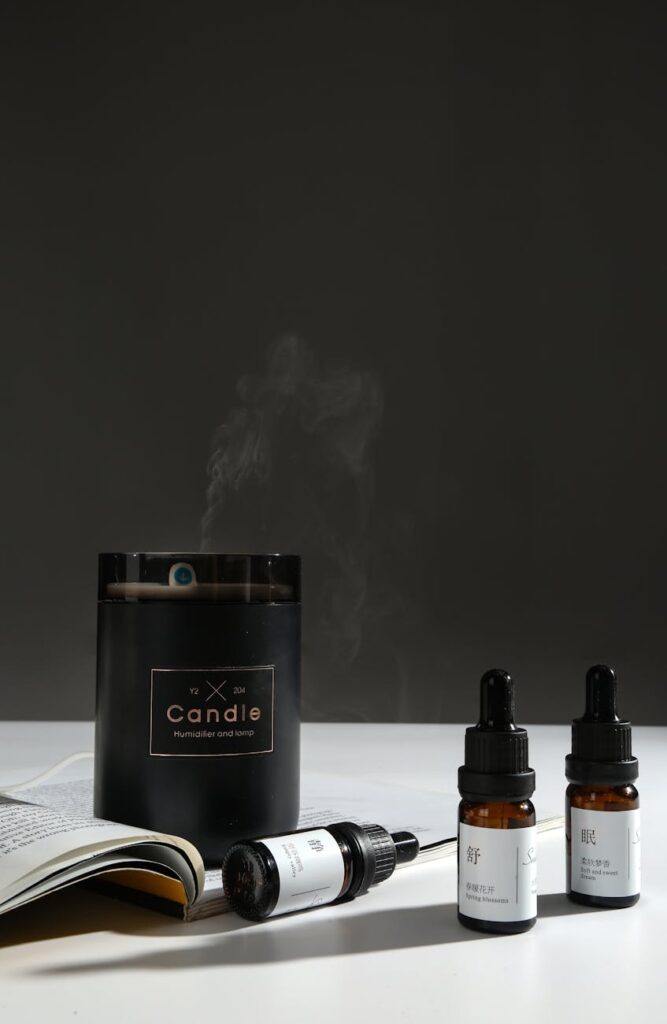
How to Use Aromatherapy for Sleep Quality Improvement Blends
Introduction
Sleep is a fundamental aspect of human health and well-being, influencing everything from cognitive function to emotional stability. With the demands of modern life, many individuals find it challenging to achieve restful sleep. Aromatherapy, the practice of using essential oils derived from plants to enhance physical and emotional well-being, has gained popularity as a natural approach to improve sleep quality. This article explores the principles behind aromatherapy for sleep, common essential oils used in blends, their benefits, and safe application methods.
What Is Aromatherapy for Sleep Quality Improvement Blends?
Aromatherapy for sleep quality improvement involves the use of essential oils known for their calming and sedative properties. These oils can be inhaled, applied topically, or used in various formulations to promote relaxation, reduce anxiety, and foster a conducive sleeping environment. Common essential oils used in sleep blends include lavender, chamomile, and bergamot, among others. When combined thoughtfully, these oils can create synergistic effects that enhance their individual benefits.
Key Benefits and Properties
The benefits of using aromatherapy for sleep improvement can be extensive, encompassing physical, emotional, and psychological aspects. Here are some of the key properties of essential oils commonly used in sleep blends:
- Calming: Many essential oils, such as lavender and chamomile, have calming effects that can help reduce feelings of stress and anxiety, making it easier to drift into slumber.
- Sedative: Certain oils promote sedation and relaxation, aiding the body in preparing for sleep. Valerian root and cedarwood are examples of oils that can induce a sense of tranquility.
- Mood Enhancing: Essential oils can also elevate mood and create a sense of comfort, which is beneficial when trying to unwind at the end of the day. Bergamot and sweet orange are uplifting and can help alleviate feelings of tension.
- Sleep Quality: Regular use of sleep improvement blends may enhance the overall quality of sleep, contributing to more restorative and uninterrupted rest.
- Diffusion: Using an essential oil diffuser is one of the most popular methods for dispersing aromatic compounds into the air. This method allows for an even distribution of scents throughout a room, creating a calming atmosphere conducive to sleep.
- Topical Application: Essential oils can be diluted with carrier oils (such as sweet almond or jojoba oil) for topical application on pulse points, such as wrists, neck, or behind the ears. This method allows for absorption into the skin and can provide a longer-lasting effect.
- Bathing: Adding essential oils to a warm bath can enhance relaxation. The warm water helps to relax muscles while the aromatic compounds fill the air, creating a tranquil environment.
- Pillow Sprays: A simple DIY pillow spray can be made by mixing essential oils with water in a spray bottle. Spraying this blend on bedding can create a soothing scent that encourages sleep.
- Sleep Masks and Sachets: Creating sachets filled with dried herbs and a few drops of essential oils can be placed under pillows or in bedding to impart calming scents throughout the night.
- Properties: Calming, sedative, and anxiety-reducing.
- Application: Diffuse in the evening or apply diluted oil to pulse points.
- Properties: Anti-anxiety and calming effects.
- Application: Use in a bath or as a pillow spray for relaxation.
- Properties: Mood-enhancing and stress-relieving.
- Application: Apply diluted oil to temples or diffuse in the room before bedtime.
- Properties: Sedative and grounding.
- Application: Combine with other oils in a diffuser or apply diluted oil on the chest.
- Properties: Balancing and calming.
- Application: Use in a sleep blend, either in a diffuser or diluted in a massage oil.
- Properties: Natural sedative.
- Application: Best used in a bath or as part of a topical blend due to its strong aroma.
- Dilution: Always dilute essential oils with a carrier oil before applying them to the skin to prevent irritation.
- Patch Test: Conduct a patch test on a small area of skin to ensure there is no allergic reaction to a new essential oil.
- Avoid Certain Oils: Pregnant or nursing women and individuals with certain medical conditions should avoid specific oils. Always consult a knowledgeable practitioner if uncertain.
- Children: Use caution when applying essential oils around children and infants. Certain oils are not recommended for young children.
- Quality of Oils: Opt for high-quality, pure essential oils from reputable sources to ensure safety and efficacy.
- Dark Glass Bottles: Store essential oils in dark glass bottles to protect them from light, which can degrade their quality.
- Cool, Dry Place: Keep oils in a cool, dry place away from direct sunlight and heat sources.
- Shelf Life: The shelf life of essential oils varies. Most oils can last between one to five years if stored correctly. Citrus oils tend to have shorter shelf lives due to their high volatility.
Common Uses
Aromatherapy blends for sleep can be employed in various ways, depending on personal preferences and specific needs. Here are some common uses:
Aromatherapy Applications
When using essential oils for sleep improvement, it’s essential to select the right oils and blends. Here are some popular essential oils and their applications:
1. Lavender (Lavandula angustifolia)
2. Roman Chamomile (Chamaemelum nobile)
3. Bergamot (Citrus bergamia)
4. Cedarwood (Cedrus atlantica)
5. Ylang-Ylang (Cananga odorata)
6. Valerian (Valeriana officinalis)
Safety Considerations
While aromatherapy is generally safe, there are essential precautions to keep in mind:
Storage and Shelf Life
Proper storage of essential oils is crucial to maintain their potency and effectiveness. Here are some guidelines:
Frequently Asked Questions
1. How long before bedtime should I use aromatherapy for sleep?
Using aromatherapy about 30 minutes to an hour before bedtime is recommended to allow the calming effects to take hold.
2. Can I blend different essential oils for a sleep blend?
Yes, blending different essential oils can create a synergistic effect. However, it’s important to ensure that the oils you choose complement each other in terms of scent and therapeutic properties.
3. Are there any side effects of using essential oils for sleep?
While essential oils are generally safe, some individuals may experience allergic reactions or skin irritation. Always perform a patch test and consult with a healthcare provider if you have concerns.
4. Can I use essential oils in a humidifier?
It is best to use essential oils in a diffuser specifically designed for this purpose. Many humidifiers can degrade essential oils and may not disperse them effectively.
5. How often can I use aromatherapy for sleep?
Aromatherapy can be used nightly as part of a bedtime routine. Regular use may enhance your overall sleep quality over time.
Conclusion
Aromatherapy offers a natural approach to improving sleep quality through the use of essential oils. By selecting appropriate oils and utilizing various applications, individuals can create a calming environment that promotes relaxation and restful sleep. As with any holistic practice, it is important to remain informed and cautious, ensuring that the use of essential oils aligns with personal health considerations. With the right knowledge and techniques, aromatherapy can serve as a valuable tool in the pursuit of better sleep.