
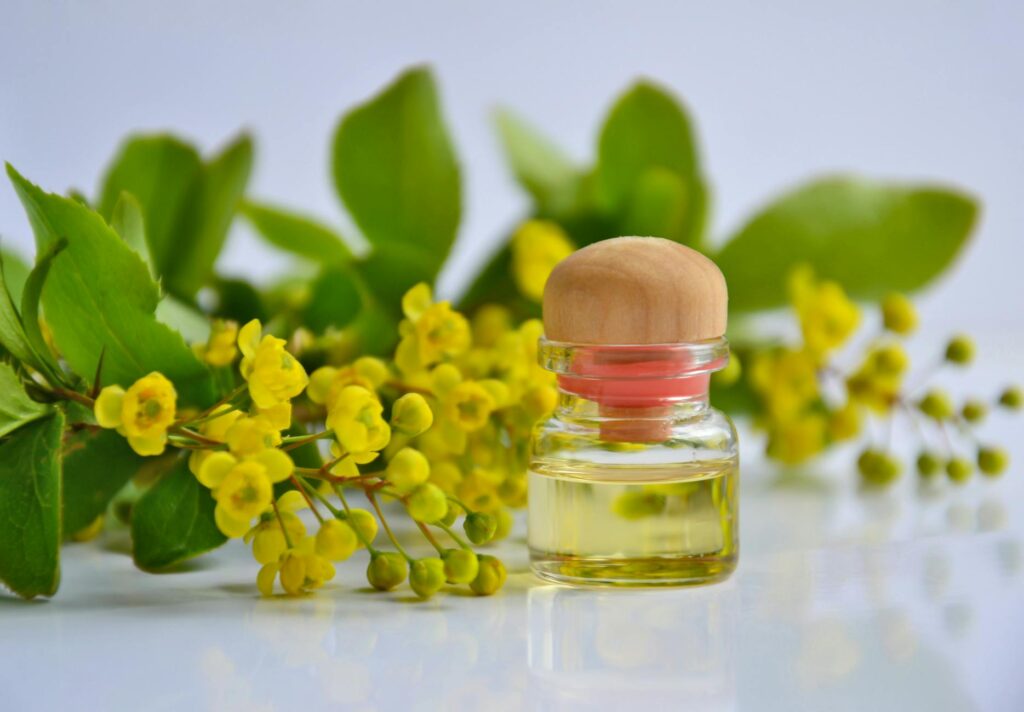
How to Use Ashwagandha Extract
Introduction
In recent years, the interest in natural remedies and holistic approaches to well-being has surged. Among these remedies, ashwagandha extract has garnered attention for its potential health benefits and versatility. Derived from the roots of the Withania somnifera plant, ashwagandha has been a cornerstone of Ayurvedic medicine for centuries. This article aims to provide a comprehensive overview of ashwagandha extract, including its properties, benefits, common uses, and practical applications in aromatherapy.
What Is Ashwagandha Extract?
Ashwagandha, often referred to as “Indian ginseng” or “winter cherry,” is a small shrub native to the dry regions of India, the Middle East, and parts of Africa. The name “ashwagandha” translates to “smell of the horse,” signifying its traditional association with strength and vitality. The extract is typically derived from the plant’s roots and sometimes its leaves, and it is available in various forms, including powders, capsules, and tinctures.
The primary active constituents of ashwagandha are alkaloids, steroidal lactones (withanolides), and saponins. These compounds are believed to contribute to the herb’s adaptogenic properties, which help the body manage stress and maintain balance.
Key Benefits and Properties
Ashwagandha extract is celebrated for its broad range of potential benefits, many of which stem from its adaptogenic nature. Here are some of the key properties associated with ashwagandha:
1. Stress Reduction: One of the most well-known benefits of ashwagandha is its ability to reduce stress and anxiety. It may promote a sense of calm and well-being, which is particularly beneficial in today’s fast-paced world.
2. Cognitive Support: Some studies suggest that ashwagandha may support cognitive function and memory. Its potential neuroprotective effects may help improve mental clarity and focus.
3. Energy and Stamina: Ashwagandha is often used to enhance energy levels and physical performance. It may also improve endurance and reduce fatigue, making it popular among athletes.
4. Hormonal Balance: The extract is frequently used to support hormonal health, particularly in relation to adrenal function and thyroid health.
5. Immune Support: Some research indicates that ashwagandha may bolster the immune system, aiding in the body’s natural defense mechanisms.
6. Anti-Inflammatory Properties: Ashwagandha possesses anti-inflammatory properties that may help reduce inflammation in the body, contributing to overall well-being.
Common Uses
Ashwagandha extract can be utilized in various ways to maximize its benefits. Here are some common applications:
1. Supplement Form: One of the most prevalent methods of consumption is through supplements, such as capsules or powders. These can be taken daily, often as part of a health regimen.
2. Tea: Ashwagandha powder can be added to hot water or milk to create a soothing herbal tea. This method is often favored for its traditional roots and comforting properties.
3. Smoothies: For those seeking a more palatable way to consume ashwagandha, it can be blended into smoothies or shakes, paired with fruits and other nutritious ingredients.
4. Tinctures: Ashwagandha tinctures can be added to water or other beverages for easier consumption. Tinctures often provide a concentrated dose of the herb.
5. Topical Applications: Some formulations include ashwagandha in creams or oils for topical use, capitalizing on its anti-inflammatory properties.
Aromatherapy Applications
While ashwagandha is primarily known for its internal benefits, it also has applications in the field of aromatherapy. Here are several ways to incorporate ashwagandha into your aromatherapy practice:
1. Diffusion: Essential oils derived from ashwagandha can be diffused in a room to create a calming atmosphere. A diffuser can disperse the scent, promoting relaxation and stress relief.
2. Massage Oils: Ashwagandha extract can be mixed with carrier oils (such as coconut or jojoba oil) to create a soothing massage oil. This application not only provides the benefits of ashwagandha but also promotes relaxation through touch.
3. Bath Soaks: Adding ashwagandha extract to bathwater can enhance the experience of a warm bath, promoting relaxation and stress relief. It can be combined with Epsom salts and essential oils for added benefits.
4. Inhalation: For a quick stress relief method, ashwagandha essential oil can be inhaled directly from the bottle or a cotton pad. This practice can provide immediate calming effects.
5. Aromatic Rituals: Incorporating ashwagandha into daily rituals, such as meditation or yoga, can enhance the experience. The calming aroma can create a conducive environment for mindfulness.
Safety Considerations
While ashwagandha is generally considered safe for most people, there are several factors to keep in mind:
1. Consultation: It is advisable to consult with a healthcare professional before starting any new supplement, particularly for pregnant or breastfeeding individuals, or those with underlying health conditions.
2. Dosage: Following recommended dosages is crucial to avoid potential side effects. Excessive consumption may lead to gastrointestinal issues, headaches, or drowsiness.
3. Interactions: Ashwagandha may interact with certain medications, particularly those affecting the thyroid, blood sugar levels, or sedatives. Awareness of potential interactions is important.
4. Allergies: Individuals with known allergies to nightshade plants (such as tomatoes, potatoes, and eggplants) should approach ashwagandha with caution, as it belongs to the same family.
5. Quality: Ensure that you source ashwagandha products from reputable manufacturers to avoid adulterated or low-quality extracts.
Storage and Shelf Life
Proper storage of ashwagandha extract is essential for maintaining its potency and efficacy:
1. Cool and Dark Environment: Store ashwagandha in a cool, dark place away from direct sunlight and heat sources. This helps preserve its active compounds.
2. Airtight Containers: If using powders or capsules, keep them in airtight containers to prevent moisture and contamination.
3. Expiration Dates: Always check expiration dates on products and use them within the recommended time frame to ensure freshness and effectiveness.
Frequently Asked Questions
1. Can I take ashwagandha every day?
Yes, many people incorporate ashwagandha into their daily routines. However, it is essential to follow recommended dosages and consult a healthcare professional if unsure.
2. How long does it take to feel the effects of ashwagandha?
The time it takes to feel the effects can vary based on individual factors and the method of consumption. Some may notice effects within a few days, while others may require several weeks of consistent use.
3. Is ashwagandha safe for everyone?
While ashwagandha is generally safe for most people, individuals who are pregnant, breastfeeding, or have specific health conditions should consult a healthcare professional before use.
4. Can I use ashwagandha for sleep issues?
Many individuals report improved sleep quality with ashwagandha use, particularly due to its stress-reducing properties. However, results may vary.
5. Are there any side effects associated with ashwagandha?
Some potential side effects may include gastrointestinal upset, drowsiness, or allergic reactions. It is important to monitor your body’s response and consult a healthcare professional if adverse effects occur.
Conclusion
Ashwagandha extract offers a wealth of potential benefits and applications, making it a valuable addition to holistic health practices. Whether consumed as a supplement, enjoyed in a soothing tea, or integrated into aromatherapy, this ancient herb continues to capture the interest of those seeking natural means to enhance well-being. As with all herbal remedies, informed and mindful use is crucial to maximizing its advantages while minimizing risks.