
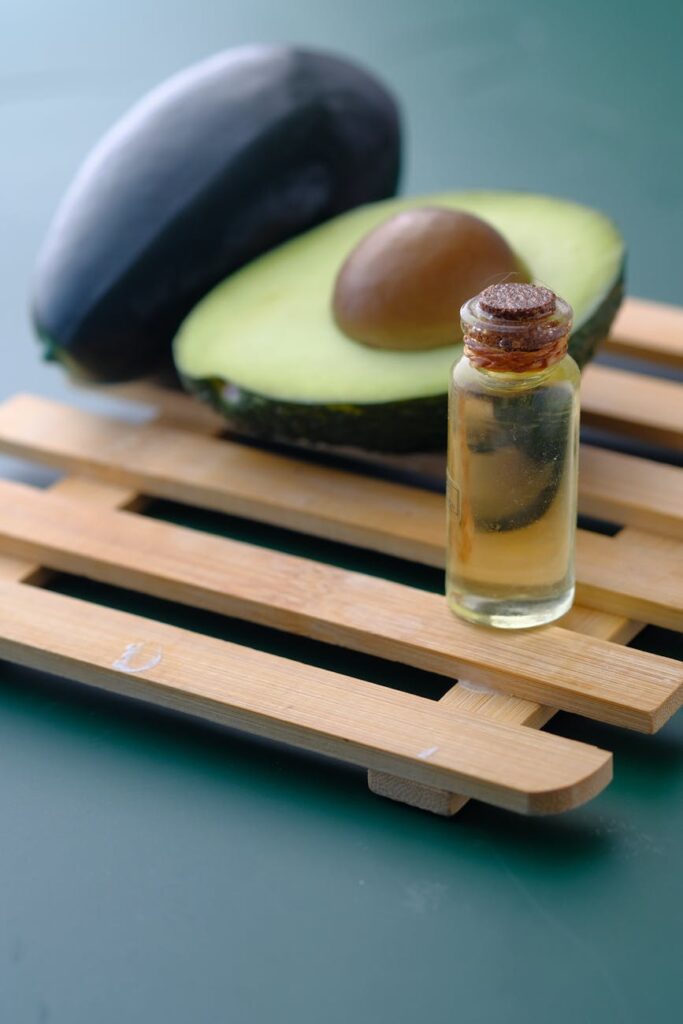
How to Use Avocado Oil
Introduction
Avocado oil, derived from the flesh of the avocado fruit (Persea americana), has gained significant popularity in culinary and cosmetic applications due to its rich nutrient profile and versatile properties. This article explores the characteristics of avocado oil, its benefits, common uses, and applications in aromatherapy, while also providing essential safety considerations and storage tips.
What Is Avocado Oil?
Avocado oil is a unique oil extracted from the pulp of ripe avocados, primarily through cold-pressing methods. The oil is known for its distinctive green hue, which is attributed to the high levels of chlorophyll and carotenoids present in avocados. It has a rich, buttery flavor and a high smoke point, making it suitable for various cooking methods, including frying and sautéing.
The oil is rich in monounsaturated fats, vitamins, and antioxidants, contributing to its reputation as a healthful oil. It is commonly used in culinary practices, skincare products, and as a carrier oil in aromatherapy.
Key Benefits and Properties
Avocado oil boasts a range of beneficial properties, which make it a popular choice in both the kitchen and cosmetic formulations:
1. Nutrient-Rich Composition: Avocado oil is abundant in vitamins A, D, and E, as well as essential fatty acids. These nutrients promote skin health and support overall well-being.
2. Moisturizing Properties: The oil is known for its ability to deeply moisturize the skin, making it an excellent choice for dry or damaged skin.
3. Emollient Characteristics: Avocado oil acts as an emollient, softening and soothing the skin while helping to maintain its elasticity.
4. Antioxidant Activity: The presence of antioxidants, such as lutein and tocopherols, in avocado oil helps combat oxidative stress, potentially reducing the risk of skin aging.
5. Anti-Inflammatory Effects: Avocado oil has been noted for its anti-inflammatory properties, which can be beneficial for conditions such as eczema and psoriasis.
6. Heart Health: The monounsaturated fats in avocado oil are known to support cardiovascular health by promoting healthy cholesterol levels.
Common Uses
Culinary Uses
Avocado oil is prized in the culinary world for its flavor and versatility. Some common culinary applications include:
- Salad Dressings: Its rich flavor enhances salads and can be blended with vinegar or citrus for a fresh dressing.
- Cooking Oil: With a high smoke point of around 500°F (260°C), avocado oil is ideal for high-heat cooking methods such as frying and grilling.
- Marinades: The oil can be used as a base for marinades, imparting flavor while helping to tenderize meat and vegetables.
- Baking: Avocado oil can be substituted for butter or other oils in baking recipes, providing moisture and richness.
- Moisturizers: The oil can be used alone or blended into creams and lotions to enhance hydration.
- Hair Care: Avocado oil can be applied to hair as a conditioner or treatment to improve shine and manageability.
- Massage Oil: As a carrier oil, it can be blended with essential oils for therapeutic massage.
- Allergies: Individuals with known allergies to avocados should avoid using avocado oil, as it may trigger allergic reactions.
- Patch Test: Before applying avocado oil or any blend containing essential oils to the skin, conduct a patch test on a small area to check for any adverse reactions.
- Consultation: If you are pregnant, nursing, or have any underlying health conditions, consult with a healthcare professional before using avocado oil or essential oils.
- Storage Conditions: Store avocado oil in a cool, dark place, away from direct sunlight and heat. A dark glass bottle can help protect the oil from light degradation.
- Shelf Life: When stored correctly, avocado oil can last between 6 months to 1 year. Signs of spoilage include an off smell or changes in color or consistency.
Cosmetic Uses
In skincare, avocado oil is commonly used for its moisturizing and nourishing properties. Some popular applications include:
Aromatherapy Applications
Avocado oil is not only valued for its culinary and cosmetic uses but also plays a significant role in aromatherapy. As a carrier oil, it can dilute essential oils for safe topical application. When using avocado oil in aromatherapy, consider the following:
1. Dilution of Essential Oils: Mixing essential oils with avocado oil helps to reduce the potency of the oils, making them safer for skin application. A common dilution ratio is 1-2 drops of essential oil per teaspoon of carrier oil.
2. Skin Application: Avocado oil can be applied directly to the skin with diluted essential oils to enhance hydration and nourishment.
3. Aromatherapy Blends: It can be incorporated into aromatherapy blends, enhancing the therapeutic properties of essential oils while providing a moisturizing base.
4. Diffusion: Though not as commonly used for diffusion, avocado oil can be added to a diffuser blend to offer a subtle aroma.
Safety Considerations
While avocado oil is generally considered safe for use, it is important to observe the following precautions:
Storage and Shelf Life
To maintain the quality and properties of avocado oil, proper storage is essential:
Frequently Asked Questions
Is avocado oil good for all skin types?
Avocado oil is generally suitable for all skin types, especially dry or sensitive skin. However, individuals with oily or acne-prone skin should exercise caution and consider using it in moderation.
Can avocado oil be used for cooking?
Yes, avocado oil is highly versatile and can be used for various cooking methods, including frying, sautéing, and baking, due to its high smoke point and pleasant flavor.
How does avocado oil compare to olive oil?
Both avocado oil and olive oil are rich in healthy fats and antioxidants. However, avocado oil has a higher smoke point, making it more suitable for high-heat cooking.
Can avocado oil be used in hair care?
Absolutely! Avocado oil can be used as a deep conditioner or hair treatment to enhance shine, moisture, and manageability.
Is avocado oil comedogenic?
Avocado oil is considered to have a low to moderate comedogenic rating, meaning it is less likely to clog pores compared to some other oils. However, individual reactions may vary.
—
In conclusion, avocado oil is a versatile and nutrient-rich oil with numerous applications in cooking, skincare, and aromatherapy. Its rich composition and beneficial properties make it a valuable addition to any natural health and wellness routine. Always ensure to use it safely and store it appropriately to maximize its benefits.