
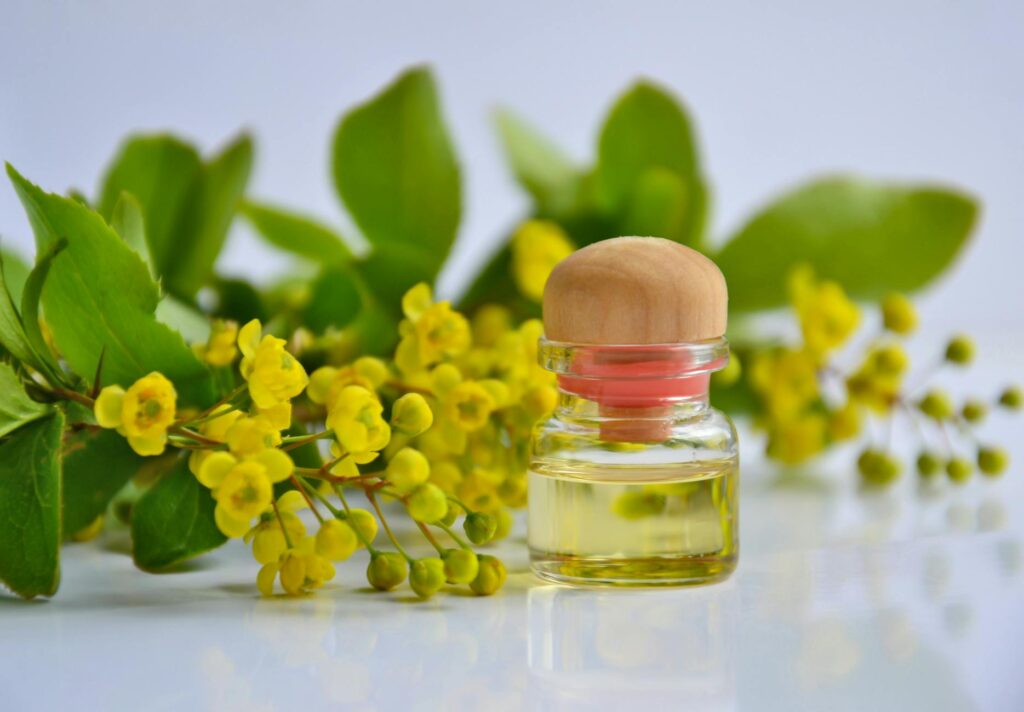
How to Use Basil Extract
Introduction
Basil, a fragrant herb belonging to the mint family, has been cherished for centuries not only for its culinary uses but also for its potential therapeutic properties. Basil extract, derived from the leaves of the basil plant, is a concentrated form of this herb, often utilized in various applications, including aromatherapy, culinary arts, and natural wellness practices. This article explores the nature of basil extract, its benefits, common uses, and practical applications in aromatherapy.
What Is Basil Extract?
Basil extract is a concentrated essence obtained from the leaves of the basil plant, scientifically known as Ocimum basilicum. This herb is native to tropical regions and is widely cultivated in many parts of the world. The extraction process typically involves steam distillation or solvent extraction, yielding a liquid that captures the aromatic qualities and beneficial constituents of the basil plant.
The extract is characterized by its sweet, spicy, and slightly peppery aroma, making it a popular choice in various applications. In addition to the culinary realm, basil extract is gaining attention in the fields of natural remedies and aromatherapy.
Key Benefits and Properties
Basil extract is well-regarded for its diverse array of properties. While individual experiences may vary, the following benefits are commonly associated with basil extract:
1. Antioxidant Properties: Basil is rich in antioxidants, which can help neutralize free radicals in the body, potentially supporting overall health.
2. Anti-inflammatory Effects: The extract may possess anti-inflammatory properties, which can be beneficial in soothing minor discomfort.
3. Mood Enhancement: The aroma of basil is often considered uplifting and may help to alleviate feelings of stress or anxiety.
4. Antibacterial Qualities: Some studies suggest that basil extract may exhibit antibacterial properties, making it useful for various applications.
5. Digestive Support: Traditionally, basil has been used to support digestive health, although more research is needed to substantiate these claims.
Common Uses
Basil extract can be utilized in various ways, catering to both culinary and therapeutic needs. Here are some common applications:
Culinary Uses
1. Flavoring Agent: Basil extract can be added to sauces, dressings, marinades, and soups to enhance flavor, particularly in Mediterranean cuisine.
2. Herbal Infusion: It can be infused in oils or vinegars, creating flavorful condiments that can elevate salads or grilled dishes.
3. Beverages: Basil extract can be used as a flavoring in beverages, such as teas, cocktails, or smoothies.
Household Applications
1. Cleaning Solutions: Due to its antibacterial properties, basil extract can be incorporated into homemade cleaning products for a natural disinfectant.
2. Air Fresheners: The pleasant aroma of basil makes it a popular choice for natural air fresheners, whether in sprays or diffusers.
Aromatherapy Applications
Basil extract is a valuable addition to aromatherapy practices. Its uplifting aroma can create a calming and invigorating environment. Here are some ways to incorporate basil extract into aromatherapy:
Diffusion
Using a diffuser, basil extract can be dispersed into the air, allowing its aroma to fill a room. This method is beneficial for enhancing mood, promoting relaxation, or invigorating a space.
Topical Applications
When diluted with a carrier oil, basil extract can be applied topically. This method is often used in massage therapy to provide a soothing experience. Always conduct a patch test to ensure there is no negative reaction to the skin.
Bathing
Adding a few drops of basil extract to bathwater can create a refreshing and aromatic experience, promoting relaxation and stress relief.
Safety Considerations
While basil extract is generally considered safe for most individuals, there are some precautions to keep in mind:
1. Dilution: Essential oils and concentrated extracts should always be diluted with a carrier oil before topical application to minimize the risk of skin irritation.
2. Allergies and Sensitivities: Some individuals may be allergic or sensitive to basil or similar herbs. It is advisable to conduct a patch test before widespread use.
3. Pregnancy and Nursing: Pregnant or nursing individuals should consult a healthcare professional before using basil extract or any essential oil.
4. Interactions with Medications: Those on certain medications or with specific health conditions should consult a healthcare professional to avoid potential interactions.
5. Children: Use caution when applying basil extract around children. Always dilute and consult with a qualified professional.
Storage and Shelf Life
Proper storage of basil extract is crucial to maintain its potency and aroma. Here are some tips for optimal storage:
1. Cool, Dark Place: Store basil extract in a cool, dark place away from direct sunlight to prevent degradation of its properties.
2. Airtight Container: Use an airtight container to minimize exposure to air, which can cause oxidation and reduce the extract’s effectiveness.
3. Shelf Life: Depending on the extraction method and storage conditions, basil extract typically has a shelf life of 1 to 3 years. Always check for any changes in color, aroma, or consistency before use.
Frequently Asked Questions
Can basil extract be ingested?
Basil extract is often used in culinary applications and can be ingested when used as a flavoring agent. However, concentrated forms should be used with caution, and it is advisable to consult with a knowledgeable source regarding safe consumption.
How can I incorporate basil extract into my daily routine?
Basil extract can be used in cooking, added to beverages, or included in aromatherapy practices. Experiment with different methods to find what works best for you.
Is there a difference between basil essential oil and basil extract?
Yes, basil essential oil is a concentrated form derived from the plant through steam distillation, while basil extract is often obtained through solvent extraction or other methods. Essential oils are more potent and typically require dilution before topical use.
Can basil extract help with stress relief?
Many individuals find the aroma of basil to be uplifting and calming. While it may contribute to a soothing atmosphere, personal experiences may vary. Aromatherapy is often subjective, and individuals are encouraged to explore what scents resonate with them.
Is basil extract safe for children?
While basil extract can be safe for children when properly diluted, it is recommended to consult with a qualified professional before using any essential oils or extracts around children.
Conclusion
Basil extract is a versatile and aromatic addition to both culinary and therapeutic practices. Its rich history and potential benefits make it a valuable component in the realm of natural wellness. By understanding how to use basil extract safely and effectively, individuals can incorporate this fragrant herb into their daily lives, enhancing both flavor and well-being. Always remember to practice safe usage and consult knowledgeable sources when exploring new applications.