
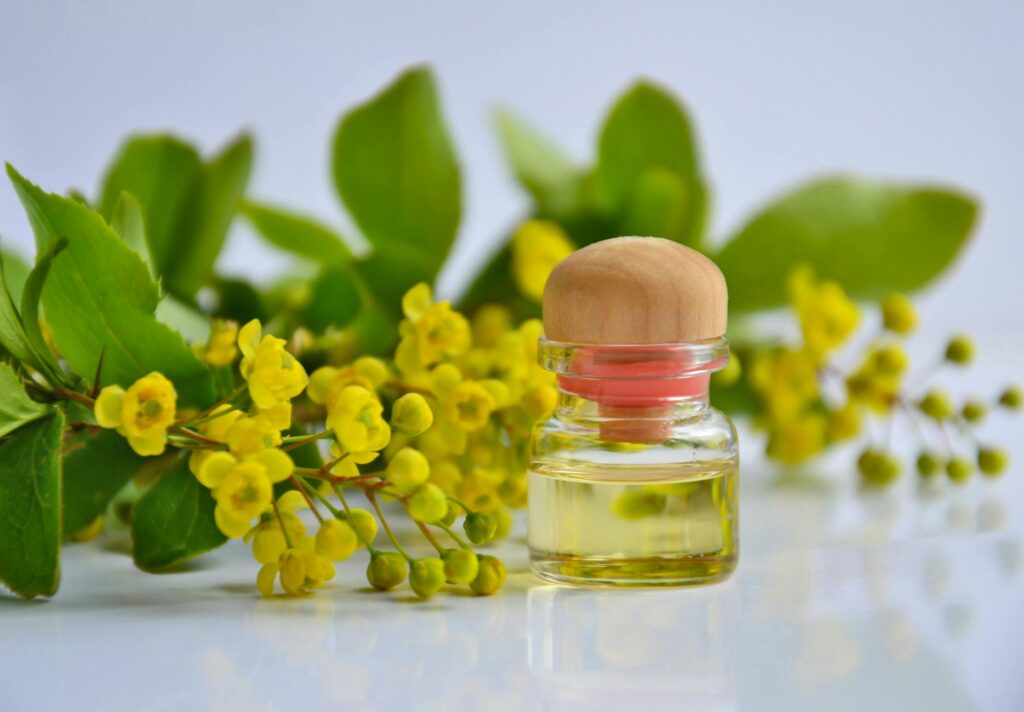
How to Use Basil Oil Safely
Introduction
Basil oil, derived from the leaves of the Ocimum basilicum plant, is a popular essential oil known for its aromatic properties and culinary uses. With a rich history rooted in various cultures, basil oil has gained prominence in the fields of aromatherapy and holistic wellness. However, like all essential oils, it is crucial to understand how to use basil oil safely to enjoy its benefits without adverse effects. This article provides a comprehensive guide to using basil oil safely, covering its benefits, common applications, and safety considerations.
What Is Basil Oil Safety?
Basil oil safety refers to the practices and guidelines that ensure the safe use of basil essential oil. Due to its concentrated nature, essential oils can be potent and may cause adverse reactions if not used properly. Understanding the chemical composition, potential risks, and proper application methods is essential for minimizing any potential hazards associated with basil oil.
Key Benefits and Properties
Basil oil boasts a variety of beneficial properties that make it a valuable addition to wellness routines. Here are some key benefits and properties:
1. Antimicrobial Properties: Basil oil contains compounds such as eugenol and linalool, which exhibit antimicrobial effects. These properties can help combat bacteria and fungi.
2. Stress Relief: The aromatic profile of basil oil is often described as uplifting and calming, which may help alleviate stress and promote emotional well-being.
3. Anti-inflammatory Effects: Some studies suggest that basil oil may have anti-inflammatory properties, making it useful in soothing minor skin irritations.
4. Digestive Support: Traditionally, basil has been used to support digestive health, and its essential oil may help ease digestive discomfort.
5. Antioxidant Activity: Basil oil is rich in antioxidants, which can help neutralize free radicals and reduce oxidative stress in the body.
Common Uses
Basil oil can be utilized in various ways, making it a versatile essential oil in both aromatherapy and household applications. Common uses include:
- Aromatherapy: Diffusing basil oil can create a calming atmosphere conducive to relaxation and focus.
- Topical Applications: When diluted with a carrier oil, basil oil can be applied to the skin for its soothing properties.
- Culinary Uses: Basil oil can be used to enhance the flavor of dishes, although it should be used sparingly due to its potency.
- Household Cleaner: Its antimicrobial properties make basil oil a natural choice for homemade cleaning products.
- Diffusion: Adding a few drops of basil oil to a diffuser can fill a space with its uplifting scent, enhancing mood and concentration.
- Inhalation: Direct inhalation of basil oil can provide immediate sensory benefits. Simply place a drop on a tissue or cotton ball and inhale deeply.
- Massage: When blended with a carrier oil, basil oil can be used in massage to relieve tension and stress.
- Storage: Keep basil oil in a cool, dark place, away from direct sunlight and heat sources. A dark glass bottle with a tight-fitting lid can help preserve its quality.
- Shelf Life: The shelf life of basil oil can vary, but it generally lasts between 1 to 3 years when stored properly. Always check for changes in aroma, color, or consistency before use.
Aromatherapy Applications
In aromatherapy, basil oil can be utilized in several ways to promote emotional and mental well-being:
Safety Considerations
While basil oil offers many benefits, it’s important to adhere to safety guidelines:
1. Dilution: Basil oil should always be diluted with a carrier oil, such as jojoba or coconut oil, before applying it to the skin. A common dilution ratio is 1-2 drops of essential oil per teaspoon of carrier oil.
2. Patch Test: Conduct a patch test before using basil oil topically. Apply a small diluted amount on a discreet area of skin and monitor for any reactions over 24 hours.
3. Avoid Sensitive Areas: Keep basil oil away from sensitive areas such as the eyes, mucous membranes, and broken skin.
4. Pregnancy and Nursing: Pregnant or nursing individuals should consult a healthcare professional before using basil oil, as its effects during these periods are not well-studied.
5. Children and Pets: Basil oil is not recommended for use on children under two years of age or around pets without consulting a veterinarian, as some essential oils can be toxic to animals.
6. Medical Conditions: Individuals with certain medical conditions, such as epilepsy or hormone-sensitive conditions, should exercise caution and consult a healthcare provider before use.
Storage and Shelf Life
Proper storage of basil oil is essential for maintaining its efficacy and safety:
Frequently Asked Questions
1. Can basil oil be ingested?
Basil oil is highly concentrated and should not be ingested without the guidance of a qualified healthcare professional. While it may be used in small amounts in culinary applications, it is advisable to consult an expert before considering internal use.
2. Is basil oil safe for skin use?
When properly diluted with a carrier oil, basil oil can be safe for topical use. However, it is essential to perform a patch test first to check for any allergic reactions or sensitivities.
3. Can I use basil oil during pregnancy?
Pregnant individuals should consult their healthcare provider before using basil oil, as its safety during pregnancy has not been thoroughly studied.
4. How can I incorporate basil oil into my wellness routine?
You can incorporate basil oil into your wellness routine by diffusing it in your living space, adding it to massage oils, incorporating it into homemade cleaning products, or using it in cooking in small amounts.
5. What should I do if I experience a reaction to basil oil?
If you experience any adverse reactions after using basil oil, wash the affected area with soap and water. If symptoms persist or worsen, seek medical attention.
Conclusion
Basil oil is a versatile and beneficial essential oil that can enhance various aspects of wellness and daily life. However, understanding how to use it safely is paramount. By adhering to safety guidelines, practicing dilution, and being aware of individual sensitivities, you can enjoy the aromatic and therapeutic properties of basil oil effectively. Always prioritize safety and consult professionals when necessary to ensure a positive experience with this captivating essential oil.