
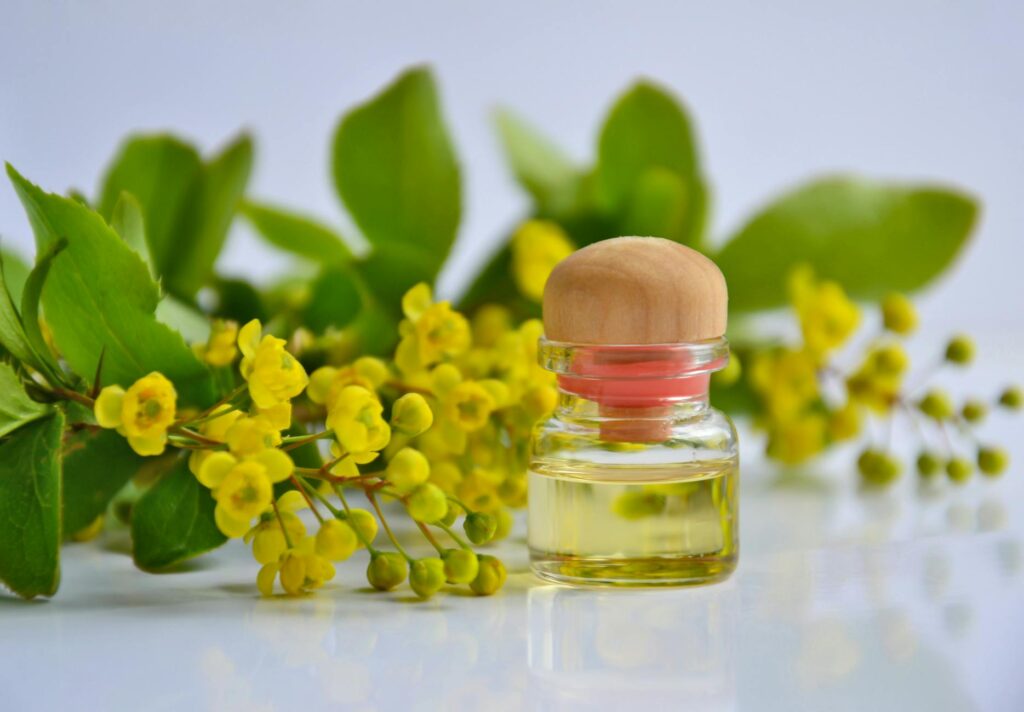
How to Use Botanical Ingredients – Argan Oil
Introduction
In the world of natural beauty and wellness, botanical ingredients have gained significant popularity due to their rich properties and versatility. Among these, argan oil stands out as a remarkable oil derived from the nuts of the argan tree (Argania spinosa), native to Morocco. Often referred to as “liquid gold,” argan oil has been utilized for centuries by local Berber populations for its nourishing and protective qualities. This article delves into the characteristics, benefits, applications, and safety considerations of argan oil as a botanical ingredient.
What Is Botanical Ingredients – Argan Oil?
Argan oil is an exquisite oil extracted from the kernels of the argan tree’s fruit. The process of obtaining this oil is labor-intensive and involves several steps, including the harvesting of the fruit, drying it, and then cracking the nuts to extract the kernels. These kernels are then cold-pressed to produce the oil, ensuring that its beneficial properties remain intact.
Argan oil is rich in essential fatty acids, antioxidants, and vitamins, particularly vitamin E. The unique composition of this oil makes it an ideal candidate for both skincare and culinary applications.
Key Benefits and Properties
Nutrient-Rich Composition
Argan oil is abundant in essential fatty acids, including oleic and linoleic acids. These fatty acids contribute to its moisturizing properties and help maintain the skin’s barrier function. Additionally, argan oil is packed with tocopherols (vitamin E), which serve as powerful antioxidants, protecting the skin from oxidative stress.
Moisturizing and Hydrating
One of the most celebrated benefits of argan oil is its exceptional ability to hydrate and moisturize. It penetrates deeply into the skin, providing lasting moisture without leaving a greasy residue. This makes it suitable for various skin types, including oily and combination skin.
Anti-Aging Properties
With its high antioxidant content, argan oil can help combat the signs of aging. It may reduce the appearance of fine lines and wrinkles while promoting elasticity and firmness in the skin.
Soothing and Healing
Argan oil possesses anti-inflammatory properties that can soothe irritated skin and lessen conditions like eczema and psoriasis. Its nourishing composition aids in the healing process, promoting smoother, healthier skin.
Hair Care Benefits
Beyond skincare, argan oil is also a popular ingredient in hair care products. Its moisturizing properties can help tame frizz, enhance shine, and protect hair from damage caused by environmental factors or styling tools.
Common Uses
Skincare
Argan oil is widely used in various skincare formulations, including moisturizers, serums, and face oils. It can be applied directly to the skin or mixed with other oils for enhanced benefits.
Application Tips:
- For a nourishing face oil, apply a few drops onto damp skin after cleansing.
- Mix argan oil with your favorite moisturizer to boost hydration.
- Use a small amount of argan oil as a finishing serum to tame flyaways and add shine.
- Apply it to damp hair before blow-drying for added heat protection.
- Lavender: For relaxation and calming effects.
- Tea Tree: For its antiseptic qualities.
- Rosemary: To promote mental clarity and focus.
- Store in a cool, dark place away from heat and direct sunlight.
- Keep the bottle tightly sealed to prevent oxidation.
Hair Care
In hair care, argan oil is often found in shampoos, conditioners, and leave-in treatments. It helps to restore moisture, reduce frizz, and enhance shine.
Application Tips:
Culinary Use
Argan oil is also used in traditional Moroccan cuisine. It has a nutty flavor and can be drizzled over salads, used in dips, or incorporated into dressings. However, ensure you are using culinary-grade argan oil for this purpose.
Aromatherapy Applications
While argan oil itself does not have a strong aroma, it serves as an excellent carrier oil in aromatherapy. Its light texture and skin-absorbing properties make it suitable for diluting essential oils.
Blending with Essential Oils
When using argan oil in aromatherapy, it can be combined with essential oils to create personalized blends. Some popular essential oils to blend with argan oil include:
Dilution Ratio
A common dilution ratio for essential oils in carrier oils is 2-3 drops of essential oil per teaspoon of argan oil. This allows for safe topical application while enjoying the benefits of aromatherapy.
Safety Considerations
Argan oil is generally considered safe for topical use. However, individuals with nut allergies should exercise caution, as argan oil is derived from a nut. It is advisable to conduct a patch test before applying it to larger areas of the skin to check for any allergic reactions.
Pregnancy and Nursing
While argan oil is natural and generally safe, consulting a healthcare provider before using any new products during pregnancy or while nursing is recommended.
Quality Matters
When choosing argan oil, look for cold-pressed, organic, and 100% pure varieties. This ensures that the oil retains its beneficial properties and is free from additives or contaminants.
Storage and Shelf Life
To maintain the quality of argan oil, proper storage is essential.
Storage Tips:
Shelf Life
When stored correctly, argan oil has a shelf life of approximately 12 to 24 months. Always check for changes in color, smell, or consistency, as these may indicate that the oil has gone rancid.
Frequently Asked Questions
1. Can argan oil be used on all skin types?
Yes, argan oil is suitable for various skin types, including oily, dry, and sensitive skin. Its lightweight texture allows for easy absorption without clogging pores.
2. How often should I use argan oil?
Argan oil can be used daily as part of your skincare or hair care routine. A few drops can be applied as needed, depending on your skin or hair’s moisture requirements.
3. Is argan oil safe for use on the face?
Absolutely! Argan oil is often used as a facial oil due to its hydrating and nourishing properties. It can be applied alone or mixed with other products.
4. Can I use argan oil in cooking?
Yes, culinary-grade argan oil can be used in cooking. It adds a unique flavor to dishes, but it’s important to use it at lower temperatures, as high heat can degrade its beneficial properties.
5. How can I tell if my argan oil is of good quality?
Look for labels that indicate the oil is cold-pressed, organic, and 100% pure. A high-quality argan oil should have a golden yellow color and a nutty aroma.
Conclusion
Argan oil is a versatile and beneficial botanical ingredient that can enhance both beauty and culinary practices. With its rich nutrient profile and myriad applications, it serves as an invaluable addition to natural skincare and wellness routines. By understanding its properties, uses, and safety considerations, individuals can fully appreciate the wonders of this remarkable oil. Whether you’re looking to nourish your skin, enhance your hair, or explore culinary delights, argan oil is a powerful ally in your journey towards natural wellness.